This site is still under development. Information, features, and some organizational aspects of the data still need further work and will change as we continue building.
Prostate Cancer
Prostatic adenocarcinoma
This section is a collection of videos related to Prostate Cancer, including presentations, interviews, lectures, and other visual resources.
Dr. George Schade discusses focal therapy for prostate cancer as a middle ground between active surveillance and radical treatments. He reviews energy modalities like HIFU, TULSA, cryotherapy, and irreversible electroporation, covering patient selection, procedural details, recovery, insurance challenges, and management of recurrence.
Video
Focal Therapy in Prostate Cancer Treatment w/ Dr. George R. Schade | BackTable Urology Ep. 317
Focal Therapy in Prostate Cancer Treatment w/ Dr. George R. Schade | BackTable Urology Ep. 317
YouTube 47:08
Description
Overview
This episode of BackTable Urology features Dr. George Schade from the University of Washington discussing the role of focal therapy in prostate cancer treatment. Focal therapy aims to "thread the needle" between active surveillance and radical treatments by targeting only the cancerous portion of the prostate while preserving normal tissue. Dr. Schade explains the rationale, patient selection, technical approaches, and follow-up strategies for focal therapy, focusing on non-radiation energy modalities such as high-intensity focused ultrasound (HIFU), TULSA (high-intensity directional ultrasound), cryotherapy, and irreversible electroporation (IRE).
Focal Therapy Modalities and Selection
Dr. Schade compares focal therapy to a "lumpectomy" in breast cancer, contrasting it with whole-gland treatments like prostatectomy or radiation. The main energy sources discussed include:
HIFU: Uses ultrasound waves from outside the prostate to heat and ablate tissue. It is the most widely used modality in Dr. Schade's practice.
TULSA/HI-DU: Delivers ultrasound energy from inside the urethra outward, requiring MRI suite availability.
Cryotherapy: Freezes prostate tissue to destroy cancer cells.
Irreversible Electroporation (IRE): Uses electrical pulses to create pores in cell membranes, leading to cell death.
Choice of modality depends on provider preference, institutional resources, and patient-specific factors such as prostate size, tumor location, and presence of calcifications. For example, HIFU effectiveness can be limited by calcifications causing ultrasound shadowing, and anterior tumors in large glands may have higher failure rates with HIFU, making IRE a preferred option in those cases.
Evidence and Patient Counseling
While long-term randomized trials are still needed, Dr. Schade highlights recent studies supporting focal therapy. The Hi-Fi trial from France showed non-inferior cancer control for transrectal HIFU compared to prostatectomy in older men, with improved quality of life and fewer complications. The FARP trial from Oslo is expected to provide further comparative data. Early results from the TULSA captain trial also indicate favorable short-term quality of life outcomes.
In counseling patients, Dr. Schade emphasizes balancing cancer control with quality of life. He notes that focal therapy typically results in lower rates of urinary incontinence and better preservation of sexual function compared to surgery or radiation. Patients are informed about the possibility of slightly higher recurrence risk but often accept this trade-off for improved quality of life.
Implementing Focal Therapy in Practice
Dr. Schade shares his experience integrating focal therapy into his clinical practice, starting with institutional approval and equipment acquisition. He stresses the importance of identifying appropriate candidates, typically men with unilateral MRI-visible Gleason 7 tumors, and performing confirmatory biopsies to rule out significant contralateral disease. He also discusses the need for a structured patient counseling script to cover all treatment options and surveillance protocols.
Insurance and Financial Considerations
A major barrier to focal therapy is insurance coverage variability. Traditional Medicare generally covers focal therapy, but Medicare Advantage and private insurers often do not, requiring a time-consuming appeals process supported by device companies. Patients without coverage face high out-of-pocket costs, often in the mid to high $30,000 range, which can lead some to defer treatment until Medicare eligibility or choose active surveillance instead.
Preoperative and Intraoperative Considerations
Dr. Schade discusses factors influencing procedural planning, such as prostate size and median lobe presence. Large glands (e.g., >70-80 cc) may require pre-treatment with medications or bladder outlet procedures like TURP to reduce post-ablation urinary retention risk. Intraoperative workflow includes patient positioning, ultrasound imaging, MRI fusion or cognitive targeting, and contouring of the treatment region with appropriate margins. Treatment times typically range from one to two hours depending on ablation volume.
He also notes technical considerations such as avoiding nitrous oxide anesthesia during HIFU because it lowers the cavitation threshold, potentially affecting ablation quality. Deep muscle paralysis is important to prevent pelvic floor contractions that can displace electrodes during treatment.
Recovery and Surveillance
Post-ablation, patients usually have a catheter for about one week to reduce retention risk. Medications such as steroids, alpha blockers, and antispasmodics are used to manage inflammation and bladder spasms, which are the most common discomfort. Most patients pass voiding trials at one week, though a small percentage may require longer catheterization or intervention for urinary retention.
Follow-up includes PSA testing at 3 and 6 months, MRI at 11 months, and biopsy at 12 months. Surveillance protocols may vary, but confirmatory imaging and biopsy are essential to verify treatment success and detect recurrence.
Managing Recurrence and Repeat Treatments
Dr. Schade explains that focal therapy does not preclude future treatments. Approximately 10-15% of patients may require second-line therapy such as repeat ablation, surgery, or radiation. Repeat ablations can be challenging due to scarring, especially near the apex, and advanced imaging like PSMA PET scans can help localize recurrent disease. Surgery after focal therapy may be more complex but is generally feasible with careful dissection starting on the untreated side to identify correct planes.
He shares a rare case where a patient developed a new aggressive lesion after IRE ablation, illustrating that some recurrences may be unrelated to the original treated tumor. Overall, most patients remain candidates for multiple treatment options if needed.
Training and Resources for Providers
For urologists interested in adopting focal therapy, Dr. Schade recommends engaging with industry representatives, attending courses such as Focal One masterclasses, and networking with colleagues experienced in these techniques. Device companies provide technical support and training to facilitate the learning curve, which typically requires 5-10 cases to gain proficiency. He emphasizes persistence and collaboration with institutional leadership and radiology to establish focal therapy programs.
Key Considerations and Takeaways
Dr. Schade stresses that focal therapy is not suitable for every patient and must be carefully applied to avoid under-treatment or overuse. The goal is to balance effective cancer control with improved quality of life by preserving urinary and sexual function. He encourages thorough patient counseling using a structured script to cover all treatment options, risks, benefits, and surveillance requirements.
He also highlights the importance of respecting anatomical features such as the median lobe to avoid complications like urinary retention and the need for TURP. The evolving evidence base and ongoing trials may lead to guideline changes supporting focal therapy in the coming years.
Source Information
This detailed discussion is from the BackTable Urology podcast episode titled "Focal Therapy in Prostate Cancer Treatment w/ Dr. George R. Schade | BackTable Urology Ep. 317," published on YouTube. The transcript provides an in-depth exploration of focal therapy modalities, patient selection, procedural nuances, evidence base, insurance challenges, and clinical outcomes as shared by Dr. Schade, an associate professor of urology at the University of Washington. The content reflects current clinical perspectives and ongoing research without making definitive claims beyond the presented data.
Charlotte Gerson, daughter of Dr. Max Gerson, presents an extensive lecture on the Gerson Therapy for cancer treatment, emphasizing detoxification, nutrition, and lifestyle. She discusses the therapy’s history, principles, dietary restrictions, juice therapy, water quality, and the importance of avoiding toxins and deficiencies.
Video
The Gerson Therapy - Charlotte Gerson on Cancer I College of Naturopathic Medicine
The Gerson Therapy - Charlotte Gerson on Cancer I College of Naturopathic Medicine
YouTube 2:54:08
Description
Overview
This comprehensive lecture by Charlotte Gerson, daughter of Dr. Max Gerson, details the Gerson Therapy, a natural treatment approach for cancer and chronic degenerative diseases developed by her father since the 1920s. The therapy focuses on restoring the body's natural healing mechanisms through detoxification, nutrition, and lifestyle changes rather than symptom suppression or toxic drugs.
Key Principles of the Gerson Therapy
Healing Mechanism Restoration: The therapy aims to reactivate the body's innate healing capacity, which is weakened or poisoned in chronic diseases and cancer.
Toxicity and Deficiency: Chronic diseases stem from environmental toxicity and nutritional deficiencies due to depleted soils and polluted food and water.
Dietary Focus: Emphasis on fresh, organic, living foods free of toxins, with avoidance of processed, salted, and chemically treated foods.
Juice Therapy: Patients consume 13 glasses of freshly made juice daily to provide enzymes, vitamins, and minerals essential for rebuilding the body.
Water Quality: Water must be clean, preferably distilled or filtered, as tap water often contains harmful chemicals like fluoride and chlorine.
Fats and Oils: Most fats and oils promote tumor growth except for organic, unheated flaxseed oil, which supplies essential fatty acids and supports circulation and immune function.
Forbidden Foods: A detailed list of prohibited foods includes salt, animal proteins, processed foods, certain fruits (e.g., pineapples, berries), mushrooms, soy, and fluoride-containing products.
Dietary and Lifestyle Recommendations
Charlotte Gerson stresses strict adherence to the therapy without mixing other treatments to avoid failure. She highlights the importance of avoiding all sources of toxins, including in cosmetics, cleaning products, and even bathing water. The therapy discourages the use of drugs due to their liver toxicity and symptom-masking effects.
She also discusses the challenges of modern nutrition, noting that soil depletion and chemical agriculture lead to deficient and toxic foods, which undermine health and healing.
Juicing and Nutritional Details
Juicing is central to the therapy, providing concentrated nutrients and enzymes. Juices must be freshly prepared hourly to preserve enzyme activity. Green juices are made from specific leafy vegetables combined with apples for digestibility. In cases where patients cannot drink juice due to detoxification reactions, rectal administration of juice is an alternative.
Water and Fluoride Concerns
The lecture explains the dangers of fluoride and chlorine in water, which interfere with thyroid function and metabolism by displacing iodine. Fluoride is linked to increased cancer risk and metabolic disruption. The therapy recommends avoiding fluoridated water and using distilled or reverse osmosis filtered water instead.
Source Information
This information is derived from a nearly three-hour video lecture titled "The Gerson Therapy - Charlotte Gerson on Cancer I College of Naturopathic Medicine" available on YouTube. Charlotte Gerson shares her extensive knowledge of the Gerson Therapy, its history, and practical application based on decades of clinical experience and patient outcomes documented since the 1930s. The lecture includes detailed discussions on diet, detoxification, and lifestyle factors essential to the therapy.
HistoSonicsA Patient's Experience with HistotripsyPlay
HistoSonics
HistoSonics
Short HistoSonics patient-story video about histotripsy.
Video
A Patient's Experience with Histotripsy
HistoSonicsA Patient's Experience with HistotripsyPlay
A Patient's Experience with Histotripsy
HistoSonics
Description
HistoSonics home page lists a 2:35 video titled "A Patient's Experience with Histotripsy" featuring a patient named Sheila from the United Kingdom.
Jul 13, 2026
HistoSonicsA Surgeon's Perspective on HistotripsyPlay
HistoSonics
HistoSonics
Short HistoSonics video featuring Joan Vidal-Jove, MD, PhD discussing histotripsy.
Video
A Surgeon's Perspective on Histotripsy
HistoSonicsA Surgeon's Perspective on HistotripsyPlay
A Surgeon's Perspective on Histotripsy
HistoSonics
Description
HistoSonics home page lists a 3:34 video titled "A Surgeon's Perspective on Histotripsy" featuring Joan Vidal-Jove, MD, PhD, a THERESA clinical investigator.
Jul 13, 2026
HistoSonicsMaking the Impossible Possible: Dr. Zhen Xu, PhDPlay
HistoSonics
HistoSonics
Short HistoSonics video featuring Zhen Xu discussing histotripsy.
Video
Making the Impossible Possible: Dr. Zhen Xu, PhD
HistoSonicsMaking the Impossible Possible: Dr. Zhen Xu, PhDPlay
Making the Impossible Possible: Dr. Zhen Xu, PhD
HistoSonics
Description
HistoSonics home page lists a 2:26 video titled "Making the Impossible Possible" featuring Dr. Zhen Xu, PhD of the University of Michigan.
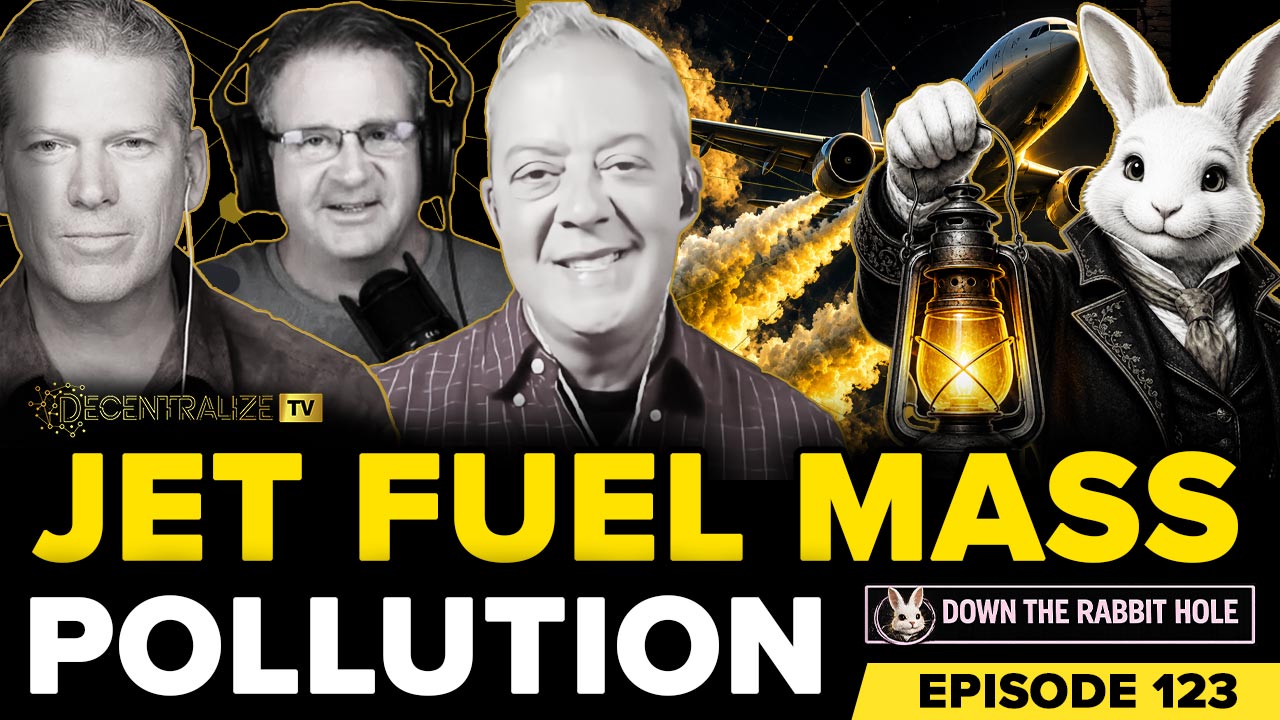
This episode of "Down the Rabbit Hole," hosted by Mike Adams and Todd Pitner, features Jim Lee, an expert on weather warfare, geoengineering, and atmospheric pollution. The discussion explores the history, technology, and ongoing issues related to weather modification, jet fuel emissions, and geoengineering practices. Jim Lee shares extensive research and personal insights accumulated over two decades, highlighting the complexities and controversies surrounding these topics.
Historical Context and Weather Warfare
Jim Lee traces the origins of weather warfare to U.S. military operations during the Vietnam War, notably Operation Popeye, which involved cloud seeding to extend monsoon rains and disrupt enemy supply routes. Despite the 1976 United Nations Environmental Modification Convention banning weather warfare, Lee explains that enforcement mechanisms are lacking, allowing such activities to continue covertly.
The episode discusses the dual use of cloud seeding to induce rain or create drought through overseeding, with historical examples including U.S. efforts against Cuba and allegations of cloud manipulation in Iran by neighboring countries. Lee references documented cases such as the CIA's weather warfare programs and the use of cloud seeding to create a "rain embargo" on Cuba.
Lee also highlights the challenges in proving weather warfare in a court of law, noting the absence of a global verification regime to detect or prevent unauthorized weather modification.
Jet Fuel Emissions and Atmospheric Pollution
Jim Lee emphasizes that all jet fuel combustion releases toxic substances, including sulfur compounds, black carbon, and various metals such as aluminum, barium, lead, vanadium, copper, nickel, and manganese. These emissions contribute to cloud formation and atmospheric pollution, often mistaken or conflated with deliberate geoengineering efforts.
He explains that aviation sulfur emissions are significant, estimating hundreds of billions of pounds of sulfur dioxide entering the stratosphere annually, contributing to sky whitening and climate effects. The aviation industry’s use of jet fuel with high sulfur content (up to 3000 parts per million) contrasts with stricter regulations on diesel and trucking fuels, prompting Lee and collaborators to petition the EPA to reduce jet fuel sulfur content to 15 parts per million.
The discussion clarifies that contrails and resulting clouds form primarily in ice supersaturated regions of the atmosphere, which are dynamic and can explain why contrails appear inconsistently. Lee stresses that these emissions occur regardless of visible contrail presence, challenging common public assumptions that no visible trails mean no emissions.
Additionally, engine lubricant oil and erosion of engine parts contribute metals and particles to the atmosphere. Lee references the Wigner effect, where radiation at flight altitude causes metal breakdown, adding to particulate emissions.
Geoengineering and Weather Modification Technologies
The conversation distinguishes between chemical-based weather modification methods, such as cloud seeding with silver iodide and carbon black dust, and electromagnetic approaches like radar or scalar wave manipulation. Jim Lee argues that despite popular claims, there is no credible evidence that radar or non-ionizing electromagnetic frequencies can alter weather patterns, citing the lack of peer-reviewed proof and the physical limitations of such technologies.
He discusses the history of cloud seeding, invented in 1946 by Irving Langmire and others, noting that one milligram of silver iodide under optimal conditions releases latent heat energy comparable to an atomic bomb on a micro scale. This explains the powerful impact of cloud seeding on weather.
Carbon black dust, a material capable of absorbing solar radiation, has been used since the 1950s to create clouds on demand and proposed for hurricane modification. Lee references Freedom of Information Act documents revealing military interest in carbon black dust for weather modification.
The episode also covers stratospheric aerosol injection, a geoengineering technique aimed at reflecting sunlight to cool the planet by dispersing sulfur particles in the stratosphere. Lee clarifies that this whitens the sky but does not create clouds, as clouds form in the troposphere below the tropopause. He notes that commercial aviation already injects large amounts of sulfur into the stratosphere daily, complicating regulatory efforts.
Lee warns of "disaster capitalism" in weather modification, where storms could be steered away from paying clients, and highlights patents and workshops discussing hurricane steering for profit.
Legal and Regulatory Challenges
Jim Lee discusses the difficulties in regulating and enforcing bans on weather modification and geoengineering. While some U.S. states like Texas have licensing requirements for cloud seeding, others have symbolic bans that do not stop ongoing activities. Florida's recent legislative ban on weather modification is described as political theater without enforcement.
Lee describes efforts to petition the EPA to regulate jet fuel sulfur content and calls for mandatory contrail avoidance using AI flight routing to minimize cloud formation. He notes that AI-assisted flight routing has demonstrated the ability to reduce contrail formation by 69% in test flights.
The episode underscores the absence of any global verification regime to detect or prevent unauthorized weather warfare or geoengineering, leaving the public vulnerable to unregulated atmospheric manipulation.
Scientific and Practical Insights
Cloud seeding releases latent heat energy comparable to atomic bombs on a micro scale, explaining its powerful impact on weather.
Jet engines emit water vapor and pollutants that serve as cloud condensation nuclei, contributing to persistent cloud formations.
Ice supersaturated regions in the atmosphere determine contrail formation, which can be predicted and potentially avoided.
Claims of weather control via radar or scalar waves lack scientific support; chemical methods remain the primary known techniques.
Stratospheric aerosol injection whitens the sky but does not create clouds, differentiating it from tropospheric cloud formation.
Electromagnetic radars such as the A&TPY2 X-band radar have insufficient power density and frequency to affect weather, according to Lee's analysis.
Weather modification technologies have evolved from military projects like Project Storm Fury to modern geoengineering startups with venture capital funding.
Environmental and Public Health Concerns
The episode raises concerns about the toxic nature of jet fuel emissions, including heavy metals and sulfur compounds, and their impact on air quality and climate. It also touches on the environmental consequences of geoengineering experiments and the ethical implications of manipulating weather systems without public consent.
Lee highlights the widespread dispersion of nanoparticles from aviation, citing studies detecting 10,000 black carbon particles per cubic centimeter at 18 kilometers altitude, attributed to aviation fuel combustion.
Additional Topics and Reflections
The hosts discuss related issues such as power grid failures and voltage reductions in New York City, noting that utilities have reduced residential voltage by up to 25%, impacting the operation of modern electronics and data centers. This is linked to energy demand challenges during heat waves.
The conversation touches on the rise of electric vehicles as a response to energy challenges, with several employees of the hosts adopting Tesla Model Ys and plans to install Tesla charging stations at workplaces.
Jim Lee’s websites, including climateviewer.com, weather modification history.com, and chemtrailfacts.com, are recommended for further information. Lee emphasizes his commitment to open-source information and invites listeners to join his Patreon and Telegram communities.
The episode concludes with reflections on the need for pragmatic solutions, skepticism toward unproven claims, and the importance of public awareness and regulatory action to address atmospheric pollution and weather modification.
Source Information
This content is based on the video episode titled "DTV - Down the Rabbit Hole - Episode 123 – July 10, 2026 - Jim Lee on Toxic Jet Fuel, Sulfur Pollution and Geoengineering" published on Brighteon. The transcript provided was used to create a detailed and comprehensive description of the topics discussed, reflecting the views and knowledge shared by Jim Lee and the hosts during the nearly two-hour interview.
Video
DTV - Down the Rabbit Hole - Episode 123 – July 10, 2026 - Jim Lee on Toxic Jet Fuel, Sulfur Pollution and Geoengineering
DTV - Down the Rabbit Hole - Episode 123 – July 10, 2026 - Jim Lee on Toxic Jet Fuel, Sulfur Pollution and Geoengineering
Brighteon 1:41:39
Description
It's actually worse than what most people think because most people think, if I don't see the lines, it's a no spray day. Ah, but the truth, these chemicals are still getting dumped into the stratosphere. I've always said the truth is scarier than fiction. Geo engineers said they only needed 14 planes of geo engineer the whole planet. But we're ignoring 42 million flights per year, but I 2050 that's expected to double. So the only reason they abandoned climate change, because it was a way to control people, is because now they have AI. And now climate change ain't so bad, even Bill Gates said, you know what climate change is not so bad, we're not going to die. Because they found a better way to control people. True. Welcome to today's episode, which is a special new down the rabbit hole episode, part of decentralized TV that has a little bit different format. So Todd tells us about what does it mean when we have a down the rabbit hole episode? It means it's an episode that isn't necessarily dedicated to decentralized living. But Mano Man is the guest interesting. And, you know, we needed to create a category to where that we could keep it, keep everyone interested in. And I'm just excited as heck. This is going to be fun because now we can, you know, break out of the just decentralized living and bring a lot of guests and topics and ideas to the table. That I think people are going to love. Yeah, well said. I would also add that this interview may not be as practical as what we normally do. And also as a disclaimer, there may be points that are presented that Todd and I don't agree with. And that's totally okay. But we think overall, the content is worth your time and attention to consider. So enjoy this episode of decentralized TV down the rabbit hole. Welcome to today's episode of decentralized TV down the rabbit hole. And I'm Mike Adams, the founder of decentralized TV with my co-host Todd Pitner from the Great State of Florida. Welcome, Todd. Mike, great seeing you. I know you've had quite the week with your voice. And I just wanted to give you a little bit of insight, just a little bit of Todd coaching. You know, because I am your senior, right? I'm a few years older than you. But when you when you're practicing the fire blowing and breathing. You don't inhale. You exhale. Oh, man. No, it was so funny. I mean, my voice is mostly recovered now. But I made the dumbest mistake for somebody who knows about nutrition. I'm growing lob lollipine trees. I'm growing them. They have pine needles that have shakimic acid, which is the perfect. You just make pine needle tea. And yet I was, I attended an event. Somebody was shedding all over me. And I wasn't the only one who got impacted. And I just let it go for a few days, unwisely. I should have been drinking the pine needle tea. When I finally did, because my voice was getting wrecked, then things started to turn around immediately. But it was the dumbest, new mistake is to grow your own medicine and walk right past it and not use it. And I'm guilty of it. That's just what happened. You know what Mike, on your broadcast recently, I thought you were going to say, you made the biggest mistake of actually attending this event. I don't know if it's people's laundry detergent, combine with spike protein, vaccine, or whatever. But it didn't, it didn't, it didn't sound a lot better than when I first heard your voice. Yeah, yeah. I feel great. I'm just waiting for the voice to recover. In the meantime, we've got an amazing guest coming on. I want to get right to him, because he is an expert in so many things, but one of them is weaponization of the atmosphere, geoengineering and how these systems are being turned against us through things like engineered famine and so much more. So how about Todd, once you bring him in? Yeah, Jim, Jim Lee, how are you? Welcome, welcome to the show. I recommended that you come on, because as many people know, I installed a food forest in my backyard three years ago. And this past January, there was definitely a Tampa Florida weather engineered weather modification event. It doesn't stay 25, 27 degrees in Florida for two weeks straight. So I, and that man, they were spraying like crazy. So I installed, we did, we did a whole episode on it. Mike and I did, I installed a very, very unique device in my, my back property that literally right before my eyes, it busted up the Kim trails. And it has been blue skies ever since. So this is a topic that very much interests me. And I couldn't be more excited to have you on the show, because when I started going down this weather modification, rabbit hole, there you were. And then there's climateviewer.com. And man, oh man, people, you can spend a decade just listening to Jim, just talk about all of this. Well, I'm pretty sure that Bill Hillm Reich would be very proud of you for installing that in your backyard. Yeah, the history of weather control. You know, it really, it's amazing to me that when I started this about two decades ago, the internet was still, you know, social media, but it had just been born. There was a lack of information. And originally, I just started out to prove to the moderators on the Google Earth community that I wasn't crazy for mapping out weather modification projects. And that really started the ball rolling into just archiving everything I could find and learn about the topic. You know, from mapping it on climateviewer.org to like in 2015 creating weather modification history.com, you know, it's 850 newspaper articles from the 1800s to present. 180 timeline entries with all the references available for each event. And about 1100 weather modification in climate engineering patterns in a searchable database. So, you know, I've done a lot of homework. And when I do my homework, I want to make sure that it's available to the public. So, everything that I've done, you know, I'm a program, I'm a graphic artist. I coded these websites myself so that you don't have to listen to this redneck from Sumpter, South Carolina talked to you. I had nausea about this. If you're interested in the topic, you can go to my website and spend like you said in the next five years reading and learning more at your own pace. And I think that that's been probably the best thing that I've done. You know, over these two decades is compiling all this information in a place and then making it palatable easy to access. So that people can understand how complex this topic is. How where the nuances, where the dangers are. Understand the technology and the people behind it. What their motives are. And that's kind of where I come at it from. Well, real quick, Mike, I just wanted to correct myself. I said, Clement, if you were dot com, is it dot ordered? It's both cloud your dot com originally. I created that in 2012. I had a blog before that. But honestly, I had really, I didn't just eat the red, you know, pill. I drank the whole bottle. So I ended up deleting 400 articles that I had written on a previous blog and starting from scratch in 2012 with climatebeard.com, which was a painful experience. But I had realized that I was under the influence of something called slave speak. And I didn't understand how people could use science fiction. That's 70% science and 30% BS to really skew my view of the world. And once I realized what these manipulating words were, I was able to go back and read my own articles in disgust. And I said, you know what, this is, this is not up to par. I got to, I just got to start from scratch. And that's what I did. It's a climatebeard.com is my blog. That's my original home page. And from there, I've made a map. Climatebeard 3D, which is on climatebeard.org with a multiplication history dot com. I just recently created KimTrailFacts.com. It's only 5% done, so don't judge me if you go there. It'll eventually be as large, if not larger than weather modification history dot com. And this is just something I love to do. You know, I'm a creative type and I remember everything I read. So I was, well, put it down so other people can read it. Jim, this is awesome. It's so great to have you on the show and to be able to meet you here. It seems like this is long overdue, actually. We should have connected with you sooner. So Todd, thank you so much for making this connection. But what I want to ask you is that until, let's say, the last five years, the very idea that some governments or some entities in the world would be weaponizing the weather for some nefarious purpose. That was considered a very fringe out there kind of idea. But not so much these days. In the post-COVID era, a lot of people realize that things were weaponized against humanity. And then today, you look at governments, even the US government. And you see that everything that can be weaponized is being weaponized. You know, the banking system, right? The dollar regulatory, you know, controls by the EPA, this and that. So can you tell us, tell our audience about what has changed in the time that you have been looking at this? And are you seeing now that it's much easier for people to understand that this is a very real thing. That's a very real thing that's happening. And it's not just some science fiction. So you really have to, you know, those who forget the past are doomed to repeat it. And what really shocked me was that, you know, I was born in 1976. In 1976, the United Nations signed a environmental modification convention treaty. This was a weather warfare ban in 1976. Now, of course, I had to do some backtracking to figure out how do we get here. Jack Anderson walks into Lyndon Johnson's Oval Office. He's a note on his desk in East. And it says something about continuing operation, papa, plus, you know, weather modification overlails. And he ends up publishing that in the Pentagon papers. And Jack Anderson, if you don't know, everybody said this CIA was trying to kill him because of watergate. I think it might have had something to do with the fact that the CIA, the US Air Force and the US Navy out of China Lake, California. They were doing weather warfare over Vietnam for five years. And this was run through a individual at the Pentagon called SACSA, we won't get too deep into the weeds here. But eventually, this was published in the New York Times. And once it became public in 1972, basically Congress was full with a bunch of old bald white men who are going, wait a minute. We can control the weather. I can only imagine the shock that this hits the New York Times that we were doing weather warfare. The slogan was, make mud not war. You know, because a play on the hippies make love not war. The idea was to flood out the Ho Chi Minh Trail to make it impossible for the Vietnam. But enhancing the monsoon rains. And they were using silver iodide and lead iodide. Wow, something that most people don't know even to this day. People throw around an operation, pop out, project, pop out all the time. They don't really know all the details. I love, I'm in the deets. That's where I love to live. So interestingly enough, the CIA ran this joint program with two branches of the military and not even the Secretary of Defense knew that it was going on. In fact, he testified in Congress that he had no knowledge that it was even happening. So flash forward, the United Nations banned this thing. They make it extremely weak. Like they do with anything. Because we passed a limited test band treaty to banned operatives here. New nuclear explosions after like Operation Starfish Prime, Hard Tech T. Then the Russians did project K. So they were trying to blow up the ionosphere and nuclear bombs. They said, you know what, maybe we should stop. But when they passed that band, they actually created a way to know if somebody was breaking the band. It doesn't matter if murder is illegal, if there's no way to catch or punish somebody that murders people. Correct? So they created the comprehensive test band treaty organization in the International Monitoring System, which is a bunch of seismographs and infrasounder quarters. So that they can listen for the sound of a new going off and know that somebody violated the treaty. The problem with N-mod is they never created a way to catch somebody doing weather warfare. So since 1976, there has been a band on weather warfare, but there's been no way to catch anybody doing it. So that's your number one point you need to focus on. Number two, China Lake, California, the US Navy Warfare Center. They also weaponized Project Storm Fury, which was a hurricane modification project by Noah. This is going on during the 60s and 70s. And during that time, they were trying to steer hurricanes into Cuba to destroy Castro's sugar crops. They were also creating drought with cloud seating. Now this is something that seems kind of backwards. You just said, you make it rain, you make floods with cloud seating. Well, you can also make a drought with cloud seating. This is called over seating. This is when you put too many particles in the sky and there's not enough water vapor. Or you cause all of the water in the clouds to rain out in one location so that when they pass over the island of Cuba, they're dry. And that's exactly what the CIA did to Cuba. They were cloud seating in the Gulf of America. I love saying that. And to make, you know, basically they called it a rain embargo. And this is documented in newspaper articles as well as firsthand accounts. But we don't to this day. We don't even know the name of that project. Wasn't this more recently also with Iran? We're exactly where I was going to go next. So your read, we're sinking up here. So then in 2010, Mark Mood Ahmed in a job. He said that European countries were stealing Iran's rain. Okay. And then he said it again in 2011 and in 2012 in front of the United Nations. Flash forward to 2018, Brigadier General Golom Jalali, an Iranian. I don't know if he's already our GC or he's a general from Iran. He said Israel is stealing our clouds. But the next year he said Israel and other surrounding countries are making our clouds barren. And then finally I believe it was 2021. He said Israel and the United Arab Emirates are stealing our clouds. Now, I think we all remember the Dubai floods that occurred. Yeah. And it seemed to me like payback because when I looked at the weather system that came through there, it's going east of west right across the straight of Hormuz into Dubai. And would you put it past the Iranians to dump a bunch of clouds eating materials into an already an atmospheric river already headed towards Dubai? I don't know. At the end of the day, the thing is you can never say for certain. And there are so many people that speak with certainty. And I never speak with certainty because I know that we cannot prove these things. And that is the problem. We know that the technology exists. We know that the history of weather warfare exists. We know that the ability to do these things and then the various purposes. The clandestine operations. They have happened. They probably are going on today. It's proving it in a court of law that's the tough part. But Jim, I'm sorry to interrupt, but about Iran, what was so notable about that was, you know, the city of Tehran was almost on the verge of having to be evacuated because of the drought was so severe. And yet then after Iranian drones destroyed that US radar installation. And I think that was in the UAE, but I'm maybe I'm not sure. Yeah, after that, I think it was a billion dollar radar installation that was supposed to be a military radar. Maybe it was dual purpose because after that, then the rains, the natural rains came to Iran. Like they used to. Does that strike you as, you know, some supporting evidence anyway? See, here's where I get highly disagreeable. When I hear these claims, then I immediately go, it is this possible. And, you know, I can hold to opposing thoughts and I can juggle until I finally go, you know what this hands have here. And when I looked into the radars that were actually destroyed, they were both what are called an A&TPY2. This is an X band radar. It's part of the third system. These are forward, um, launching missiles. Basically, the idea of the cold war was we would point big radars at the sky, face to rate radars, and see the ICBMs coming in on the way down. And then we would try to shoot them down before they hit the ground. With that, they turned that on a TED. Um, the A&TPY2 is an X band radar with a 3000 mile radius. Wow, and it can literally, if you parked one of these in Los Angeles, California, and you threw a baseball into space from Washington, D.C. It could track that ball into space up to closer like 12,000 miles. Not only track the baseball, but tell you which way the baseball was spinning. That's how accurate these are. Now, the obvious next question is, does it have the power requirements or frequency requirements to actually interact with weather? The problem is, no, it doesn't. It's X band. So it's non-ionizing radiation. This is something that, you know, I constantly, you know, get into fights with people all the time, because I'm like, you don't understand, you know, RF, um, the way it interacts with weather. And I, and this is where I, I firmly land before I make this form. Let me go to this. I think the more plausible reason why the range returned to Iran is because just like at the Battle of Antitum, Blackpowder rifles were being shot, both sides of the field. Boom, boom, boom, boom, boom, boom. And all of that blackpowder raised up in the air. And after the, the valley was filled with blood, it rained on the field. And that is because all of that, so it all that blackpowder that black carbon is an excellent cloud condensation nuclei. So if you're dropping bunker busters, which are going into red clay dirt, which is aluminum silicate, then you're putting a lot of black carbon, so it an aluminum into the sky, which acts as a great cloud condensation nuclei. I think that that's the more plausible scenario that between burning fuel tankers, burning, you know, military boats, you know, bunker buster bombs, and all of that that you just had such a plethora of, you know, cloud seeds available to reef, you know, to dump a lot of rain. And, you know, plus it's kind of hard to keep your weather warfare thing going on whenever all of it. It's drones going to and for who knows. But as far as the X band radar, I just, this is where I firmly land on the radar thing. There has never been one single documented case, aside from cloud ionizers and laser beams of an electromagnetic frequency altering the weather. And I, and I say this, knowing people like David miles from used to be acquiesce and miles on research and atmospheric is now as company. He claimed that he could do this. I said, show me the equipment. You never would. Climate control global trading LLC out of Dubai, they wanted to hire me to, you know, pump, pump their tech. They said that they could stop storms and do all kinds of things with radars. I said, show me the tech. Let me talk to your Russian scientist. How do you know he was Russian? We had a zoom call show me your tech. They can't do it. There has never been a single peer reviewed published not even peer reviewed published paper on modifying the weather with an electromagnetic frequency other than lasers and cloud ionizers. And both of them work on the process of ionization. So non ionizing radiation has almost no effect on the weather because the sky is a river. And we have entropy to deal with the inverse square law. It's very complicated. But it's not sexy. So like, I don't go for the sexy. I never tell people what they want to hear. I just tell them the truth based on what I've been able to learn and the entire history of weather control. Nobody's ever done it. Not even once. And the same thing is true with like Thomas Beardon. People talk about scalar waves all the time. Nobody in the history of man has ever demonstrated a scalar wave. Not once. Not one longitudinal wave ever in the history of man and the reason I say this is because if somebody did with the amount of money that goes into the weather modification business. If somebody did there'd be an Elon Musk type dude out there going, I have pioneered a new way to control the weather and the United Arab Emirates rainfall enhancement program would throw money at them. If you make it rain on them, they will make it rain on you. So that's where I come at it from. Okay, that's anything. What do you think? Well, no, that's really interesting. I completely agree with you on the so called scalar waves. I always hear people talking about scalar waves. I'm like, what are you talking about? What are your scalar waves? And they never really have a good answer on that. But on the ionization. Now remember, I run a mass spec lab and we we have an ionizing element in front of our ICP. And so we have a RF generator there that ionizes a stream of liquid. It takes a tremendous amount of energy as you will know obviously. So tiny plate. Yeah, exactly exactly. So my question to you is I completely agree with what you just said about typical x band radar. Doesn't have the energy density per square or cubic centimeter. Let's say to cause the ionization of the typical atmospheric vapor for example. But with high enough energy, if that were to be applied, you know, I can ionize lots of things. But you said lasers. You understand that. That can work. Right. So is it really just a spectrum of how much energy is being concentrated into a small area. You said you said the word power density power. This is where people get lost. You know, so they say like next rag can control the weather. Well, next rag is about a million watts. Let's be generous. Let's say it's a million and a half watts peak. Well, what's the effective radiated power? The effective radiated power is power and times DB gain the sensitivity of the radar. So 32 gigawatts. I'm going to throw that out there. 32 billion watts according to the government website. All right. That sounds like a whole lot. Okay. But the problem is you then have to figure out something called the duty cycle. The duty cycle. How often right on. So now it's all that times 0.04. It's cycling. It's cycling. Yeah. It's cycling. Yeah. It's clicking on and off. How often is it clicking on and off. Well, the duty cycle of a W S R 88 D X red on Doppler radar is 0.04, which means now that million watts just turned into 1,400 watts. And it's been spread out in a 3D space, right, which is it's all in and in the laws of entropy of plot. We have a fluid medium, which is moving. So you're not cooking the same spot. Good point. It's not it's not it's not static. It's constantly flowing. So if you were to take a blowtorch lighter and a very small stream, let's say the stream was about this wide and you made like a PVC pipe and you just heated that thing. Would you actually heat all the water you wouldn't because the water is still flowing. So the water you just warmed is now going down here and it's cooling and new waters coming in. And that's what's happening with radars. So people focus a lot on this because, you know, and it started. I'd say circa 2010 with Dutch sense really popularized the harbouring idea. And in no shade, Dutch, don't get mad. You know, we've been through this break. But at the end of the day, that stuff I think really distracts and detracts from the arguments that would lead to solutions. And that's where I really take, I take arms against, you know, people who make these claims with such certainty. Because what they're actually doing is they're distracting from companies like startup solutions and Israeli startup that's talking about geo engineering and dumping chemicals by 2030. And they want to be a government contractor. They have 60 million dollars worth of venture capital. You should be concerned about startup solutions and stop talking so much about next rad. These are the kinds of things where I go, at least to my audience. And that's why they respect me because I give it to them straight. I say, look, and I've had multiple people come on to try to debate me about this. And I'm saying, I'm willing to be wrong, but you're going to have to come with the evidence. And if you come with the evidence and you can convince me, guess what, I'm going to convince everybody else. But that you have to be open to the possibility that you are wrong and I always am. Yeah, and also I should mention to sunlight energy alone is probably orders of magnitude larger than the radar energy that's impacting any cubic area. Excellent point. So, and this is exactly what I say to people when they say that next rad and we have a mutual friend. Let's just say that. And he says the next rads are steering hurricanes and I say, well, that's interesting because the sign is about 1300 watts per meter square at the ground level. Okay, the next rad is barely breaking 96 watts per meter square. If it, if you, if you, if you stop, if you were like staring it in the face in the dangers on where it says humans don't go here, you're going to fry your brain. It's about 96 watts per meter square. A hurricane is 10 to the 16 joules per second. So we're talking about 10 quadrillion watt per meter square of kinetic energy. Yeah, so you're, you mean to tell me that firmly, Connecticut, anyway, you can imagine that this next rad is going to somehow impact that that's like going up to a bear with a toothpick and going, I'm going to kill the bear with the toothpick. Watch me move it. The bear's just going to run you over. So the scale matters and I don't think that people really, you know, they take and that's why I say I was guilty of it too. When I started out, I wanted to prove to everybody that the next rads were steering the weather because I thought that was cool. So I went and I mapped out every Doppler radar in North America. And then I watched the weather every single day and you know what I saw, I never saw a single cloud changed directions. And I was like, maybe I'm wrong here and same thing with heart. I watched heart every single time it was on a ham radio operators who are friends of mine. You can tune into 2.8 to 10 megahertz. You can listen to harp when it's on now they announced when it's on before when the US Air Force and US Navy was doing it. We had to all, you know, get together and say, oh, harp's on now. But every time harp would come on, we would monitor everything from temperature, humidity, visual satellite observations. I wanted to be that guy that caught the smoking gun evident. I spent three years of my damn life trying to get a video of harp cooking the weather and it never happened. Every single time it came on there was nothing. I mean, absolutely not one meteorological data point that I could go, you know what this 3.6 million watt 5 billion watt effective radio power 72 foot tall antennas with 180 of them and no weather ever changed. So I started to refocus myself like I said, and what I've come to the realization is that it was It was a Vincent Schaefer Irving Langmire and Bernard Vonnegut who invented cloud seating in 1946 at the General Electric Labs. Irving Langmire said that one milligram of silver eye diet under optimum conditions releases as much heat energy as one atomic bomb. So let's compare the two. Wait, wait, wait a second. I'm sorry interrupt, but so I think from what you're saying that cloud seating is the primary method by which rainfall is is cause right now, you know, and I know they're using drones for this right now, at least I've seen a lot of reports of that silver eye I've heard before of ratios of one milligram of silver eye diet unleashing a certain volume of water. I've heard those ratios before, but I've never heard what you're talking about a thermal relationship, so I'm a little bit, can you explain that a little bit more. Yeah, if you're giving me just a second, I'll show you. Okay, this is better, right? So and this kind of blew my mind when I when I heard it because I was like, that can't be true, that just can't be true, but um, and here I'll see if I can share screen real quick some requests. Okay, yeah, let's turn on the screen share. Is it okay, once you share your screen, we may have to reconfigure the the layout here, so just stand by. All right, so okay, yeah, we're seeing we're seeing your screen, we're seeing a man there we go. That is Irving Langmire, whether as a weapon and he said that was wrong, it wasn't one it was 30 in the amount of energy liberated the effect of 30 milligrams of silver eye diet under optimum conditions equals that of one atomic bomb. Now, what's he describing then re-talking about or the amount of latent energy, the heat that is generated by the chemical reaction between silver salt and water. That's what he's talking about, so the chemical reaction that occurs produces enough heat for that that doesn't make sense. It doesn't make sense, but what was the guy name? The father of weaponized weather was on Alex Jen's. Gosh, I'm drawing, I never draw a blank anyway, this is Vincent Shader, so this is just an example of, you know, stuff from weather modification history and then the original G scientist called snow to form in cloud, but they actually ended up causing floods. Lane Air Force for floods. This is Irving Langmire saying that yes, at Almagordo, they actually finally, I told them they must stop things are getting serious. We stopped on July 2nd on July 7th, but flood about devastated Omaha. This is the guy who invented cloud seating saying, yes, we, we damn near destroyed Omaha and we're doing it at Almagordo, New Mexico. And similarly, this is Vincent Shader saying cloud seating cause of U.S. floods is 1961. Yeah. So the point I'm trying to make here is, and I'm gonna pop out of the share, that when you, when you talk about like even with hurricane modification, in 2008, the Department of Homeland Security did a hurricane modification workshop. This was following Katrina in 2005. So the Obama administration got with Bill Gates, Ken called there, and the three horsemen of apocalypse who invented geoengineering, let's see, it was a, wow, I'm doing it again. So the, the knuckleheads from Lawrence Livermore National Lab, Dr. Evil, and his, these, these group of people all met together and made a bunch of hurricane modification patents in January, like right at New Year's Eve. I think they had a party together, Nathan Mervehold Patentrol was with Bill Gates and he had a whole bunch of geoengineers in the room, so they all came with the idea to steer hurricane. So let's stop the next Katrina, but in those, in those hurricane patents, it said something that was pretty disturbing. Why don't we inform a party that a hurricane is going to do X amount of damage, get a payment from them and steer the hurricane another way. So what, this is like, so, so this is going to be an auction, whoever pays the most money. Avoid the damage. This is disaster capitalism on the U.S. patent office. You can read it. It's, it's on weather modification history dot com. So the poor people get drowned out, but it's basically about that. Texas oil company says, you know what, I don't want the hurricane to hit me poor people in and in New Orleans, they get wrecked. Right. You know, that's basically, you know, weather for higher. And of course, in 2012, I was debating King called there on this. I said, dude, you guys are sick. Like, you claim like you're like these benevolent force for, you know, saving us from a climate change, but in reality, you're out here monetizing, steering hurricane. And he's like, oh, you know, we've already said that any money we made from that. We would donate the charity. I'm like, yeah, right, but now that you've been caught and we're saying this in public on your forum, you would say that. And asshole would say, anyway, so the department homeland security in 2008 had a hurricane modification workshop in Boulder, Colorado. And at that conference, they, you know, scientists came with their best ideas. How can we steer or mitigate a hurricane? And guess what? All of them, like all, but maybe one, which was cloud ionization, all of them were chemical. Because they've always been chemical from Project Serious, the Project Storm Fury to the Department of Homeland Security in 2008, it's always been chemicals. And carbon black dust has been one of the secret chemicals that most people never even heard of. In 1958, Florence van Stratton was able to create clouds on demand by just dumping liquid filled carbon black dust or just big bags of powder carbon black dust out the back of the plane. So, you know, it's used to able to make Kim trails, big stripes of Serious clouds on demand in 1958. In 1974, William Gray wrote a paper called carbon dust absorption of solar radiation. And the idea was, if you dump this black material into a hurricane, because it's black, it absorbs that 1,300 watts per meter square to the sign. Anybody who's ever set their bare ass on a black hood of a car during the summer knows that will burn your butt cheeks. And that is because it absorbs all waves of light radiation. So, the idea of using carbon black dust in a hurricane goes back to 1974. Well, at this hurricane modification workshop, Dr. Mosh Alamaro from MIT University said, Why don't we use carbon black aerosol to steer hurricanes? And that was, you know, just a regurgitation of things that have been proposed in the past. And in addition to that, I have three foias from one from the US Air Force to two from the US Navy, which mentioned carbon black dust by name in them. These are Freedom of Information Act requests done by the Sunshine Project.org, which was deleted from the internet. I found it on our cab.org. Finally, last point to putting your hat. During the owning the weather in 2025 documents that were published by the US Air Force Academy, there's a timeline on that sucker. And in it, it says, from 19, it was published in 1995 and 96. And it says 2005 technologies to be developed by the Department of Defense. CBD and I ain't talked about cannabinoid oil. It said carbon black dust. Well, 2005, the two foias I have are from 1994. There's literally the year before that was published says to be developed by 2005. What happened in 2005? Yeah, Katrina happened in 2005. It's coincidental AF. Last point I would make is this. On the whole hurricane weirdness, I'm going to throw my tent full head on and I'm going to give you one that most people haven't heard. Since that 2005 Katrina, there was a 10 year hurricane drought. Look it up. Still on Google. They were talking all about it. No major hurricane made landfall for 10 years straight until Donald Trump came into office. What did you do on day one? Can't tell the Paris climate accord. And who likes to steer hurricanes and mess with the weather? Climate scientists. So what happened that year? Three freaking big old hurricanes hit all us red necks in the southeast in the same year. Coincidence weather warfare payback. I don't know. But that's the problem with there being no verification regime for geoengineering for weather warfare. For any of this, it's all intentionally that way. Hey, Jim. First of all, I just want to say that I miss a good old days when the only thing falling from the sky was bird poop. And I just kind of want to officially, if somebody is managing the weather, I'd like to file a complaint about Florida humidity. And speaking of Florida, the Florida Legislator passed SB56 in 2025, repealing weather modification permitting and prohibiting atmospheric releases, intending to affect weather temperature climate or sunlight intensity. Now, I live in Florida. I have discerning ice and I call bullshit. The law is simply political theater symbolic nonsense. Look, Jim, I don't need all the answers. I just need someone to explain why the sky suddenly has more activity than my neighborhood face book group. How do we scientifically debunk the alleged ban? Because I see it, Jim. There's no ban over Florida. So this is, this is where, you know, like, this is probably the most controversial topic that I talk about is you know, McCam trails. And you know, I've looked at 20 years of people making claims about Kim trails. And here's, here's the rub. Banning weather modification in geo engineering is a good thing. Can you actually enforce it? Can you enforce banning cloud seating? Yes. In fact, you know, multiple states, Texas is probably the best example of it has the most cloud seating projects of just about anywhere. They have the Texas Department of Licensing and Regulation, TDLR, not TLDR. And they actually, you have to get a license from the state in order to do it. Otherwise, you're breaking the law and they've been doing that forever. So I said to representative money for it from Tennessee when he passed the first legislation in the nation banning weather modification geo engineering. I like what you're doing. It's not going to change the trails in the sky. And nobody wanted to listen. So then I proceeded to go on to Twitter, which eventually became X. And I started to tell everybody, um, the Kim trails are going to stop for the next two days, but on Thursday, the Kim trails will be back in force in Tennessee, and of course, people were freaking out going, like, how the hell did he know that? How can you predict the Kim trails? So the same thing happened, you know, I'm hanging out with, um, I don't want to name drop, but I'm hanging out with the people that were behind SB 56. And I'm trying to warn them about what happened in Tennessee. Because in Tennessee, after people, you know, the Hobion turned into copion, and then they realized they, you know, they thought they were going to see all of the sky just suddenly turned blue. That we banned the thing that we told that those stripes in the sky were geo engineering and weather modification. It's banned. Why are they still here? Now people started threatening the department of environmental protection, GEP and Tennessee. They had to move the government workers out of their building and put them into protective custody, because my Kim trails. So, same thing happens in Florida. They banned the cloud season. They banned the weather modification. Geo engineering. Now, I made a prediction when Monty Fritz did this, I said, you know, other states are going to do this, and this is good. But I'm willing to bet my left testicle that nobody west of the Mississippi will ever ban cloud seeding. And the reason why is simple. There hasn't been cloud seeding east of the Mississippi since like the 1980s and before that, the 1960s. Because we don't need it. That's the east of the Mississippi River west of the Mississippi River project sky water. I mean, funded by the US, we're a reclamation ground-based cloud seeding generators cover the entire Rocky Mountains. Idaho power company runs all the cloud seeding generators in Idaho. In Sacramento, the municipal utility district runs the cloud seeding operations. If you pay your water bill in Sacramento, or let's say Mount Shasta, I'm not going to say any names here. But I told Mount Shasta guy, hey, if you don't like weather modification, maybe you should go down to the Sacramento municipal utility district until them stop. You could even organize a protest. You're never going to stop it out there because people aren't focused on that. They're focused on the lines in the sky. So to your question. We have been able to predict control formation since the 1940s. This is called the Schmidt Applement Criterion. I met a guy and he's in my telegram chat, T dot me slash clown of your chat. If anybody wants to meet him, his name is Jeff, you can go ask him yourself. Jeff was a Navy meteorologist. He worked on an aircraft carrier. His job specifically was to tell the guys on that flew the plane. Avoid these regions where you're going to make white stripes in the sky, which are going to give away the location of our freaking aircraft carrier. During World War II, B70G, B70G flying forces were flying bombers over Germany, leaving big white stripes behind them. And they had they were driven by propellers. So make that big sense. If Kim trails is a new phenomenon, it's only happened just recently. Then something's not guiding here, at least according to me, because I'm looking at the big picture here. And once I understood what the Schmidt Applement Criterion was, that there are the specific conditions called ice super saturated regions, which will determine whether a control is short, whether a control is long and linear, and then evaporate, or if it sticks around. If it turns into a serious cloud, now, if you look up Kim trails or geo engineering, you're going to read a lot of stuff about this. And there's going to be a lot of conjecture and a lot of people pretending to be scientists. I am not one. I'm just a nerd and I remember what I read. But Jim, let me interrupt here. And just on behalf of our audience, nobody in our audience is saying that every control is a chemtrail. And I fully agree with that. Right. Right. Because the common trail is a normal phenomenon that you are describing the physics behind that. But what some people would say is that there are other cases where there are substances mixed with jet fuel or there are sprayers on planes. I think that's what can address that. Yeah. I can. And that's the purpose that's why I created KimTrolFacts.com. Because I've collected at this point, I think I have 120 examples of bump pumps and pipes. And I'm just going to go straight to, like at this point, we can't have waited. In the dimming thing, we can show some pipes that are sticking out of the back of the plane. It's the only example in this two hours of film that he has where he shows pumps, two little pipes. Those pipes are on an airbus A319. They are pylon drained. I actually have the patent. You can go to KimTrolFacts.com right now. Bring it up on the screen if you want to see it. So the patent from airbus, so they were not retrofitted nozzles. They were made in the factory. They are four engine fuel or oil leaks that happen in the pylon, the nissile to keep it from exploding. I actually interviewed some people who work on the flight line. I just to verify this myself. Personally, I said, dude, is this actually what this is? He's like, yeah, I mean, you take your finger, you stick it up there. If you feel oil or gas in that little hole, then that plane is not taking off and we got to go in there and we got to figure out what's going on. So that's one example. Well, there's 120 other examples. Pretty popular one shows back like a C130 and it's got these big pipes sticking out the back and these huge trails. Well, people go, well, that's proof of my KimTrol's. No, it's not. That's actually a Malaysian C130. The Malaysian flag in the American flag was pretty darn similar. But I go and I go to archive.org or I bring up the original website. And I'm showing this to a friend. It's a mutual friend. We both know him. Because he sent the picture to me. I said, dude, that is salt, water, cloud seeding in Malaysia in a C130. Here's the original article that the picture came from. And he's like, well, damn. And then he sends me another pump and pipe. And I'm like, that's the modular aerial spray system from young stock, young stock, Young stock, air reserve base, aerial spraying you. It is a sprayer. It does have pumps and pipes. They do adult aside, so they spray from ski those. They spray oil dispersants out of it. Once again, C130. So how would they disperse carbon black dust in a powerful form? Or what? How is that exact? So with Dr. Florence van Stratton, when she did it in 1958, she said that she was able to suspend it in a liquid and just dump it out of the back of a, you know, like a C130. They just let the back down and they put some liquid and make some carbon black dust in it and make a string. And it made a stream of clouds. And they came along right back through the same clouds. And they dumped powdered no water, just powdered form of it. And all of those clouds disappeared. It goes back to the wild seeding or overseeding. If you have too many particles and not enough water vapor, then the water droplets can't get big enough to fall on the ground. So when you oversee the sky, there's not enough water vapor available to make a cloud that's going to rain. And that's what they were able to do in 1958. So very similarly right now, we've had so many changes. And what, the reason why we have so many lines, the reason why we have so many cross hatches, zigzags and all everything in between is because they reduced something called the, the RSVM reduced serve, um, vertical separation minimum, RBSM. And what it did was before planes had to stay 2,000 feet apart when they were flying when they passed each other. And they said, you know what, we're going to reduce that to 1,000 feet. So now you can compact more planes into the area, which is filled with ice, super saturated regions, each plane, when it burns a leader of jet fuel, produces 1.24 liters of water. So you generate more water than you actually burn fuel, make that make sense because see, you know, it's, it's, it's H2O, so the hydrocarbon hydrogen plus oxygen coming into the engine reduced water. Yeah, water vapor out of the atmosphere. But it's also making more water than was there originally. And so you're actually super saturating the air up there. And then you're put introducing a stream of black carbon, which is not carbon black like we were talking about earlier. There's two different things. They're chemically distinct. One is black carbon, like carbon black is like 95% elemental carbon, whereas black carbon is like burn wood. Um, or you burn jet fuel. So black carbon gets coated in graphing, gets coated in sulfuric acid, and contains aluminum barium, strongty, and vanadium, lived in them copper, nickel, lead, magnesium, manganese, and the list goes on. Um, Abigail and Etal 2016 study, chemical characterization of freshly emitted particles with mass spectrometry. Anyway, so all those chemicals are in the jet fuel. Because it was in the crude oil, it wasn't refined out, and it produces, in 2019, the Gaia studies said that 44 million pounds of nanoparticles were produced by the airline industry. That's 280 septillion nanoparticles. During 2019, just that year. So what we're seeing in the sky is atmospheric conditions mixed with jet fuel emissions, but that's not it. And everybody likes to call me generally the jet fuel guy. They missed the other point. The other point of the Abigail and paper was that they also detected engine lubricant oil in the stream. So the oil, the lubricant. That's in the stream as well. Also, erosion of the engine itself, because some of those metals were not detected in the fuel, but they were components of what the engine was made from. When you're up at flight altitude, there's a lot of radiation, and there's something called the Wigner effect. Have you ever heard of that? So this is basically radiation causes the breakdown of metals, it causes it to erode. So you've got these high bypass turbo fans, which when every time, and you can go ask anybody who works on a flight line about this, what are they doing when they check the plane, when it's on the ground, they're looking for micro fractures in one of those fan blades. Because they're constantly eroding, they have to be replaced. Internal engine parts, they're always eroding. These are excellent cloud condensation nuclei. So the long story short of this is, all of these particles are coming out of plane, and in the right conditions, they're going to form serious cloud. I don't want to say, Kim trails are controlled. I call them plane-fart, but in the end of the day, once the plane-farts are in the right condition, they're going to make cloud. Here's the rub. People want to call it climate engineering. They want to call it geoengineering. They want to call it specifically stratosphere, aerosol injection. This drives me bad shit crazy. Because, if you fly into the stratosphere, you will not create a cloud. And that is because there is a temperature inversion that happens at the tropopause. The tropopause is the dividing line between the troposphere, where all the weather we see is, and the stratosphere, where the ozone layer and all that is. The reason why geoengineers want to put chemicals into the stratosphere, stratosphere, your solar injection, is to whiten the sky. It will not make cloud. It will make the sky look milky white. These are your sky look milky white. Todd? Sometimes. Hold on, but the stratospheric aerosol injection, that's a term used by the government itself, as you know. And that's to make the sun reflect off of the stratosphere, and the reason they choose the stratosphere is so that it stays a lot. Right? Those particles stay a lot of the resonance. Right? The higher you go, the resonance time is longer. Exactly. They want to dim the sun. From our point of view, they want to dim the sun. But from outside the planet's point of view, the planet would look wider because it's reflecting more sunlight back off of those particles in the sun. Right? Because of what's called Riley scattering. That's the reason why the sky is blue. But if you put a whole bunch of other chemicals up into the stratosphere, that's called me scattering. So this would actually look white from the ground as well. It would whiten the sky from the ground if there was stratosphere, aerosol injection happening. Well, guess what? Mexico banned geoengineering. And David Keith, nobody knows this name. Everybody knows David Keith? No. It doesn't ring a bell. Okay. But keep the short. Because we're we're almost. We're going to wrap it up. Yeah. I remember the names now, and I want to give this in here real quick. Mount Pinotugo Robbs, 1991. Makes a whole planet cooler. Low wood, Roderick Hyde and Edward Teller. That's Dr. Evil and the father of the hydrogen bomb. Lawrence, Laura Livermore National Labs in 1997, came up with the idea of stratosphere aerosol injection, which was based on an earlier idea called Budico's Blanket by Mikhail Budico, like in the 1960s. So this popularized the current push for stratosphere aerosol injection. King called Derrick comes into the scene. Models, what the geoengineered world would look like and they're being a Paul Cretz and the Nobel Laureate says, Hey, this could work and we're off to the races. So now you got universities. You got all these scientists all over the planet talking about how they can block the sign, either with space, you know, mirrors or stratosphere aerosol injection, brain cloud brightening all these ideas. Now here's the rub. David Keith and King called Derrick were Bill Gates, you know, the guys who handed out Bill Gates money to the budding geoengineers who wanted to study this stuff. David Keith, whenever Mexico ban geoengineering, he said, I don't think you can really ban geoengineering because putting, you can't write legislation that banned putting sulfur into the stratosphere because commercial aviation does that every single day. And that's the truth, because jet fuel as a fuel sulfur content, which is why we've written an EPA petition for rulemaking to basically tell the EPA, hey, if you can do it for the trucking industry, if you can tell diesel fuel creators, you got to go from 500 parts per million sulfur down to 15. Then why is the airline industry allowed to use carousine with up to 3000 parts per million sulfur? When I did the calculations, we're talking about 747 billion pounds annually of sulfur dioxide that is reaching the stratosphere, which is whitening the sky because it's also filled with the black carbon, with the metals, the aluminum, the barium, and all the other metals are all going into the stratosphere. Anytime a plane is flying there. You say just, wow, just from commercial aviation or general aviation that's happening right now, that much sulfur is going into, you said, I'm gross stratosphere estimation. Wow, that's huge. And there reminds me of the old rule of lead in gasoline. Also, used to be lead in gasoline, right? There's also still lead in prop plane fuel. It has a ton of lead in it. They just recently tried to get rid of, they just passed regulations. It's called an endangerment finding that tetraethyl lead and avgast should be removed. So they're phasing that out now. When I testified in front of the EPA in Washington, D.C. and 2015, I razz them on C span about, hey, you're ignoring all the people who've been bitching about the lead in the, you know, piston planes. You're up here trying to regulate greenhouse gases coming out of a plane. No, we care about planes making clouds blocking the sun and could just stop doing that and maybe do something about the metals. Great. What we're doing right now is we've got an EPA petition for rule making. You can learn about this at climateviewor.news. That's my sub-stack. There's two articles up there right now, where you can read our petition. Go to American CleanAircoilition.org. You know, it's me, Renette Sennum, Lesley, Menukian, Michael Hogan, a great sayerjig, Global Wellness Forum. We've signed this petition. I spent, you know, 20 years learning this stuff, writing it down into this petition, to tell the government, look, we're tired of you guys right there. There's, the fight against geoengineering and the other ones right out there taking Kim trails to court. We're, we're doing so well for the first time that nobody has ever done. A lot of people have been talking for 20 years about Kim trails. The difference is, I wrote a, you know, with the help of some friends, wrote a petition that is 39 pages long with a hundred and seventy scientific, you know, citations in it. And we submitted it to Leselden because when make sunset, this geoengineering start up was throwing balloons in the sky. He went on Twitter and you saw it, Mike, I saw your responses and Dan said the same thing. Why is Leselden complaining about a dude throwing 220 pounds of sulfur into the stratosphere? I mean, I get, there's a drop in the fire. Yeah. It's nothing. We're covering the airline industry, putting almost a billion pounds of sulfur into the stratosphere. So this is where we're holding their feet to the fire. If I could, if I could just paraphrase and summarize here in the interest of time, what I think you've just said here, which is pretty profound, is that all, all of the jet fuel emissions have metals, they have sulfur. So all of them are in essence, but not necessarily deliberately. It's just that they're burning fuel, crisscrossing the skies with this fuel. Sometimes it appears, based on barometric pressure, whatever ice, nucleation, whatever, sometimes it's invisible, but it's always there. It's always toxic in some way in the aggregate. Is that, it's actually worse than what most people think, because most people think, if I don't see the lines, it's a no spray day. But the truth of the map, these chemicals are still getting dumped into the stratosphere. The Indian Space Organization found 10,000 black carbon particles per cubic centimeter at 18 kilometers. That is in freaking saying that 60,000. 10,000 black carbon particles, the only source of which could have been aviation fuel because it was spherical. It was covered in graphite, it's the only place it could come from. The northern hemisphere is chemically distinct from the southern hemisphere. A percent of commercial aviation occurs in the northern hemisphere. The stuff that's in my petition is groundbreaking. Nobody's ever, and the fact that people aren't talking about it is even more mind-numbing for me because I've always said the truth is scarier than fiction. If I were the airline industry, and I had avoided being regulated. Since I was created, I would make up the Kim Trail conspiracy just so that people did not focus on my problem. Interesting. Interesting. What is the petition? I mean, what are you trying to achieve there? We're asking them to reduce jet fuel sulfur content to 15 parts per million. This will reduce the atmospheric load in the stress field. It will stop the stress field aerosol injection of sulfur by the aviation industry through the tune of 42 million flights per year. Geoengineer said they only needed 14 planes of geoengineer to the whole planet. But we're ignoring 42 million flights per year, but I 2050 that's expected to double. Is there any mechanical reason why the manufacturers of the jet engines say that they need sulfur in the mix for engine reliability or anything? That was for the engine health. They've made the argument that it's a lubricity improvement. We don't take all of the sulfur out because it helps with erosion. The whole thing would... That whole argument falls apart when you realize that that same hearing that I went to in 2015, the Obama administration canceled that hearing and said, I'm going to sign a deal with China, the ICO, and the European Union to use sustainable aviation fuel, biofuels for control. Biofuels... They have many different sources but one thing they have in common is, they're zero sulfur. They've been flying... They've been testing biofuels for 15 years now. They've been transatlantic flights that run on 100% sustainable aviation fuel, zero sulfur. No engines got destroyed. So sell that to somebody who didn't know about any of this. It's absolutely BS. That's why we're asking for this. The second thing that we're asking for is mandatory control avoidance. We can tell where the ICO procedurator regions are in the sky. They're not everywhere. It's not that dang hard to avoid them. Detecting them with modern AI and all of the things that they're already using a pallet here just got a contract to route all the flights. I don't know if that makes you feel better or worse. It certainly doesn't make me feel any better. But if pallet here in their AI are going to be running all these Google AI just partnered with American Airlines and did some transatlantic flights where they were able to avoid high-super saturated regions and reduce control formation by 69%. So if they can do it with a little bit of Gemini and some United Airlines on a test then why aren't they doing this at scale? We are demanding our blue skies back. We've been able to do the military does as you think that the B2 bombers that went over and dropped those bunker busters in a ram were even big white stripes behind them. I don't know they weren't. So we have the technology. We have the ability. This is what we are demanding from the EPA and in turn, once the EPA says, yes, this is visible pollution. That's all they have to do is making a danger in finance. You know what? But sulfur in the stress here is pollution. And so is the cloud these planes are making. The FAA will be required by law under the Clean Air Act, which is what we're doing. We're using the Administrative Procedure Act to petition the government using the Clean Air Act to clean up the damn airline industry. And if they don't, then we can sue them. Unlike what we've got. Gem, who should have veto power over an experiment that affects everyone under the sky? No body. No body. God. Okay. That's my answer. Let God control the weather, not man. We are not responsible enough to do this. I hear you. And who owns the sky? Gem. God. Exactly. Right? Unless you live in New York City and then apparently like 50 feet above your head people sell that by the acre. Yeah. The stupidity of our, you know, like capitalism is great. You know, we would not be sitting in air condition in the rooms talking each other on an internet without capitalism. But there is a point where it goes past stupid and disaster capitalism, weather derivatives, betting on the weather, all of the stuff that's going on. And now we have private companies that are venture capital startups for geo engineering. We have got to get ahead of this and start talking about the real problems as soon as possible before it's too late. And that's my role is to focus on the real and be pragmatic and try to come up with solutions. Well, my take is that if God made the weather and I'm pretty sure he did, how big must the technocrats egotistical balls be to try to edit his work. Right? I mean, that is the whole, the whole premise of technocracy is a scientific dictatorship that controls all resources, whether it's water, earth or human. Right? So the only reason they abandoned climate change because it was a way to control people is because now they have AI. And now climate change ain't so bad, even Bill Gates said, you know what, climate change ain't not so bad. We're not going to die because they found a better way to control people. True. True. It's a technocratic human. We are, we are over time here. But wow, this has been really fascinating. We've all learned a lot. Jim, let me give you about your website again. Climateviewer.com is one of them. And what was the other one about chemtrails? It's chemtrailfacts.com. And like I said, that's still a work in progress. I've got miles to go on that. But if you go to connect.climateviewer.com, that'll show you three of the full websites I have plus my sub-stag YouTube, eggs, and all that stuff. Here we go. Join our telegram chat. And you know, if I do everything open source AF, so if you appreciate what I'm doing, join my Patreon, sign up for sub-stag. I will greatly appreciate it. I'm trying to buy a, you build a studio in my backyard. So one day I can look at sexy as Mike does here on the camera. And not be in my bedroom. Be able to make videos more often in program. We couldn't tell. I mean, your background looks great. Actually, your lighting is good. It's all good. I'm doing the best I can. Bubblegum inductance. No, you made a little great. You should see some of the stuff that we deal with with other guests. It's pretty crazy. But this has been great, Jim. Thank you so much for joining for your time. I showed you website all those three sites you mentioned. And then Todd and I are going to come back for the after party discussion. We'll take a quick break, folks. And just stay with us. We'll be right back with the after party. Stay with us. Join the official discussion channel for this show on telegram. At t.me slash decentralized TV, where you can ask questions or offer suggestions of who we should interview next. Also be sure to subscribe to the email newsletter on decentralized.tv where you'll be alerted about one day in advance of each new upcoming episode before it gets published. On decentralized.tv, you'll also find links to our video channels and social media channels across all platforms, including Brighton, Rumble, Bitshoot, Twitter, Truth, Social, and more. Check it all out at decentralized.tv. All right, welcome back to the after party. Folks, wow, Todd. That guy has a lot of knowledge in his head. And he's, I mean, clearly he has looked at this for many years with a great mind and a lot of detail. Yeah, you know, I think when others say move along or the government says move along, Jim says, actually no, hold my beer. Let's zoom in for 100%. And I just love that. You know, I mean, he's a fact collector. And very, very discerning. I learned a lot. I mean, it, you know, it makes sense. And I want to resist. I want to resist with all my heart and soul. That this isn't some big conspiracy theory where they are trying to just say, it's exactly as out of existence. I mean, if indeed it is, it's the first time I heard that there are these areas that you could route around to where Kim trails are just going to naturally occur if a regular jet flies through. Right. I mean, clearly these areas, it's based on, you know, a barometric pressure or air density as we call it in ballistics, you know, moisture level, water vapor, all these things. These areas move around. So they have to be, I think, dynamically detected and avoided if, if there's an effort to avoid them. Yeah, because I, initially when he was talking about that, I'm like, yeah, no, Jim. I mean, I remember the sky was blue all the time when I was a kid. And they were still flying jets through there. And to this day, some days you go out. And it's just beautiful blue. And you still see planes that are flying through. So I had never heard that the, the, these centers are like an amoeba. And that they just move along and that one day those same 10 flights can fly through there, like clockwork and you see nothing and the next day they're creating these Kim trails. And the, I'm open to it, but, but, you know, that's my point. Well, what, what's the, the takeaway that I got from this interview. And let me back up because, you know, I, my lab tests for heavy metals. And so I started a lot about heavy metals over the years. And we know that, for example, around small community airports where they use a lot of avgas. And the, the lead concentrations in the land near the airport are much higher than farther away from the airport. So, you know, I'm, I'm trained as a small aircraft pilot. So, you know, you, you, you fly a pattern around the runway. You come in to land, you know, with a certain pattern kind of like a giant rectangle. And so your fuel that you burn, which has led in it is going to tend to settle on the approaches. And the, the takeoff exits. You know, the, the, the right, right, the compass direction of the runway like runway one seven is at 170 degrees on the compass. So those lead patterns are going to line up with 170 degrees on the compass. And it turns out, that's, that's all true. So, what our guess said today that made sense to me is that really he's saying that all jet fuel is toxic. Yeah. All of it. Mm-hmm. You don't have to spray anything because it's being combusted and released. Right. Right. And it's got sulfur and it's got other, you know, metals. Some of them have you, whatever, lots of different metals. Some, some toxic, some not, but you can imagine the dispersion of that. Sure. Being very wide. Yeah. Yeah. I can look up in this guy and see this exact and based upon what Jim shared. I can reconcile that pretty easily. But what I also appreciated was his education on cloud seating because there are the technocrats out there that are trying to modify the weather. And it sounds like for profit. You know, like, like for us a weapon. Yeah. It's a weapon. Kind of like, you know, absteen getting video with his special guests, you know. And then using that to blackmail them. It's like, this is just a different kind of blackmail going to these cities or oil companies in the Gulf and what now that's just nuts. But that he seems to say is definitely a thing cloud seating and geoengineering. So, you know, and I'm still interested in geoengineering, geoengineering governance. I mean, because it's like, what good is it? If these people can just run these experiments way above our heads? I mean, it doesn't just piss you off that they could, they could steer a hurricane like. Well, yeah. I mean, among the other things, you know, the use plan of earth as a giant. Petri dish for their map science experiments, right? Yeah. And we all have to try to survive it. Whatever they're doing with freaking, you know, spike proteins or heavy metals or pesticides or the stratosphere. We're trying to dim the sun, you know. Yeah. And look, you know, if the sun gets dimmed, do we at least get a utility rebate, Mike? I'll tell you. You know that the power grid is starting to fail. The eastern grid. But over the July 4th holiday, a coned announced rolling reductions in voltages to hundreds of thousands of customers across New York City. They reduced their voltage from the 115 typical residential voltage for single phase electricity. They reduced it in some cases to 86 volts. Wow. Like, another client was only an 8% reduction, but it was actually a 25% in many areas. So they're they're turning down the voltage, which means you can't run computers, right? Wait. Yeah. Help me help me understand that. So you're saying that 25% of the homes and businesses in New York City went through a period over the weekend of not 25%. There's hundreds of thousands of homes. Oh, I'm sorry. And this is what this was announced by coned, by the way. Okay. It's all in their press release. They reduced the voltage. They claimed by 8%, but it was actually 25% in many areas. So you're paying for 115 volts. Yeah. You're getting 86. But that degradation is the difference to where you can not only run your air condition. You can't run that computer. I can't run computers on 86 volts. You can run like old motors will run slower. In condescent lights will run dimmer. You know, a lot of sort of older electrical consumption devices will run at with lower consumption. Wow. Not modern electronics. They have to have certain voltage to the power supply in order to function. So they're basically turned off all your computers. That's not getting last very long. I mean, it can't last. You're paid a lot. Right? I mean, they did it. It announced. They did it. And what kind of. I mean, I didn't see that news. Oh, yeah. Yeah. I did an infographic on it. You did. Oh, the weekend. Yeah. It was a big deal. Rolling blackouts. Actually. Where'd that go? That's nuts. Yeah. Let me bring it up here. Okay. Here it is. This infographic. Rolling blackouts are here. This is from ConEd. And they turned down. Here it is. 86 volts is what some customers ended up with. And then there was also an alert by PGM. The interconnection for the east grid. 67 million customers were hit by emergency declaration of PGM saying they're going to have to start turning off data centers. And that's why Trump was telling everybody to turn up your thermostat to stop using as much air conditioning. Whoa. Yeah. That's what I said. That's what I said. That's what I said. That's what I said. That's what I said. That's what I said. That's what I said. That makes all the sense in the world on, you know, on a week in that has record highs. Yeah. People are going to die from, you know, save our data centers. Kilgramma. It was peak demand on the grid and the grid. Yeah. The eastern grid is at its limit. Good. And so, you know, I don't know what this has to do with chemtrails, let's say. But at some level, it's all interconnected. And the fact that they use climate change to try to get people to stop using power. Now they're going to use, you know, black out, just just, oh, we're out of power. Good luck. That's why you're going to have to use these typewriters over here. See? Remember my typewriter? Yeah. Yeah. Use a zero volts, zero voltage right here. This sucker doesn't need any electricity. Wow. Yeah. Black out proof. You just know that all of these controversial topics are going to eventually become a documentary narrated by Morgan Freeman, I think. We, right? We should only hope. He's got a great voice for that. But so, what do you think of the interview that we just said? What's your takeaway? Well, I, I learned something in that, and it makes sense, is that every jet that flies over my head is spewing fuel that is poisoning the sky in its own way, right? What I had no idea was that there are certain areas where it would fly through and those, that same flight could go through the same area, and it'd be completely blue sky and not appear. That I have to do a little more research on, and I want to. I want to understand what these areas are. You know, so that's my homework, Mike. What about you? Well, the takeaway to me was that all jet fuel, was that all jet fuel is pollution. Yeah. Which makes sense. But I was really shocked by what he said was the calculation of how many pounds of sulfur are emitted into the atmosphere because of commercial aviation. And also there's a lot of military aviation right now. Trump's flying, you know, like seemingly burning an unlimited amount of jet fuel to fund this war with Iran, good point. Right. Right. And take it all the fuel when we're in the middle of an energy crisis and, you know, what are the implications of the military polluting the skies? Yeah. Man. Yeah. I just want to go back to the 50s. But you weren't there. I know. I know. I know. My grandpa was thinking about me. I think I don't know. But. Yeah. It's nuts out there. But I do have to say, I'm going to stand firm on this ever since I installed my little cloud buster back there. I have had blue skies. Okay. I don't know what that does. But it has totally impacted my. My. Operating reality. Well, maybe based on what we learned today, maybe that device changes the threshold where controls. Ah. Good point. Maybe. It's a great point. Yeah. As it spews out its negative ions. That's about the only thing I know about it is that it spews out the negative ions. If people are interested in that Mike and I did an interview with the. Oh, yeah. In venture of this and I think you should go back about it. You know, 1012 episodes and watch it. It's fascinating. And we have an update coming on that device, by the way, because we're working on something. Okay. Yeah. But anyway, we're going to have an update for you. But maybe that's how that works. Maybe it. It connects with, you know, ionization in the sky. Yeah. And alters. The area. To where that zone where it doesn't create that zone that is prime for. Chemtrails or what we alleged to be chemtrails to form. Yeah. Yeah. That. That may be it. Could be right. Yeah. But it doesn't necessarily. It doesn't mean that. You know, if the planes are flying over, they are still exhausting. Yeah. That's right. That's right. Right. Maybe it's impacting that area that he said that, you know, you could fly around. Maybe it just dissipates that whatever that. I don't know what that one is. You know what the easiest way in the world is to clear the skies of jet contrails is start a war with Iran and have a jet fuel shortage. There you go. That's like. I mean, airlines are already canceling flights in some countries because of that. We've seen that out of Australia, for example, in in other countries. Yeah. If the straight doesn't reopen, I mean fully reopen, which it's not. No. Then there's going to be a global jet fuel shortage that will become very real. It will. Yeah. I mean, I don't mean that all the planes can't fly. But airlines are going to have much more difficulty acquiring fuel economically. And they'll be cutting flights left and right. Oh, yeah. Well, and the flights that you can get are going to be relatively unaffordable. Yeah. Exactly. You know, fuel surcharges and things like that. Yeah. Unbelievable. More people will be driving. And by the way, you know, full self-driving vehicles. Now, like Tesla are so advanced that driving is much easier on road trips. And I have a big announcement here. Okay. It's funny. Since I started talking about EVs, which and I don't even have one yet. Yeah. I probably will. But since I started talking about EVs and the need to be self-reliant. And I'm setting up, you know, a solar charging system here. Now, four of my employees have purchased Tesla Model-wise. Okay. So when I pull into my parking lot here now, there's like, it's like a Tesla sales lot or something. Wow. It was like, are they happy with them? They love them. They love them. And on top of that, I talk with my team. We are going to set up a Tesla charging station. Actually. Two stations here so that our employees can refuel for free by driving the work. How great is that? Yeah. Cool. Yeah. It costs us, but it doesn't cost them. Yeah. That's a nice company perk. That's a nice perk, right? Yeah. It makes you a little hard to go to work. Yeah, right? Absolutely. Like, oh, I better not call and sick today. I need to recharge my vehicle. Yeah. Right? That's perfect. Yeah. That's perfect. Yeah. And plus we have commercial rates for the power here. So it's cheaper. Great. You know? So it's like, why not? Why not let the employees charge their car. Yeah. Great. And it's all my fault because I started talking about EVs. So that's why this has happened. It's okay. Keep driving around, driving down everybody's expenses. You know, Tesla should pay me a commission. Yeah. I should be an affiliate of Tesla. They should give us credit. Because I'm selling like accidentally selling so many of their vehicles to my own employees. That's great. So funny. But anyway, there are. Look, there are a number of cool things that we've all learned about over the last few years. That can help us accomplish things like, you know, EVs. Now you can charge from sunlight. You can have your own fuel from the sky. Yep. So you get to keep the energy you harvest. Yep. And then you have, you know, what's the sponsor of the show, your website, my 575E, bring it up, allows you to keep more of what you earn. Amen. So it's not like sunlight from the sky. It is. When you keep more of what you earn, protect what you have and decrease your personal liability. Those are three legs to the UNA school. And I have to tell you, Mike, we've had a real break through over the last couple of weeks. And that, yeah, it's just, you know, I've helped over 700 people acquire these. And what became very evident to me, especially of late, is there are certain people who have a little more complicated business structure needs or sophisticated business structure needs. And we've actually put together a team to be able to assist those who might want to have a more macro strategy, like if they have LLCs, C corps, S corps, how these UNAs can really, what do they call it, keep, keep you know who from piercing the veil. And I have learned so much over the last couple of weeks, being being the participant on lots and lots of way more in depth. Zoom calls to where we're unpacking this macro strategy. And it was a lot to learn more about that. Yeah, yeah. No doubt. No doubt. We should do that. I can sponsor a Zoom call with these couple of people that are expert in this. One person is a fractional CEO who, you know, guess it. It's kind of a funny story. This gentleman got his own UNA 18 months ago and what I noticed was in our private telegram group. All of the sudden people who had LLCs or different business structures. This gentleman named Jason, he would just come in and he would help them and assist them and everything. And then finally about two months ago, I reached out to him. And I'm like, Justin, can we can we chat? Who are you? And I realize that he is a fractional CEO for six major companies worldwide. And it has just been put on his heart. You know how I talk about this is my form of activism, same with him, except he knows how business entities work and he has crat figured out the UNA, the power of the UNA, that the turbo charges everything from behind from in the private. How you can have your LLC or your business be forward public facing, but get all of the protections that the UNA offer. So I just, I just want to throw out into the universe if you are a person who has, you know, and the other thing is if if you're a landlord. Man, if you have multiple properties, then there is an amazing strategy to be able to make sure that it's, it's mind boggling. Wow. So let me give you website here, my 575E dot com as where people can click, let's go, they can sign up, they can learn about this, they can, they can pay a small fee and actually do a consultation with you. That's right. And they get it back if they move forward with the UNA and most people do, you just deduct that from the investment of the UNA. So it makes all kinds of sense to just simply book a consultation with me. Okay, that's cool. And then for you, you said the fractional CEO team, is that like 516's or like what kind of fractions are at work there? But he's 610's right now. 610's. Well, he works with 6 different. No, it's just, it's just that, you know, he's, he's in demand. And I understand why after talking with him, and then what we've developed over the last couple of months, because I just, I just flipped the script and I'm just like Jason, you're helping a lot of people in the group. Can we, can we organize that a little more? So that makes total sense. Yes. So if I'm having a consultation with somebody and I'm discerning that, hey, maybe you should take it to the next level. To be able to, you know, just have have, have another consultation. And it's not any additional fees to be able to, to pull him in and, and another person. So I'm just throwing it out there. It's, it's, we are always trying to improve. And the more and more that I am needy pin this. Man, oh, man, this entity is so powerful. Yeah. It's just so powerful. Okay, well, folks, I encourage you to check this out. Especially if you own gold and silver if you own crypto if you own real estate, if you own the business, especially if you're a copy of it. if you're a W to earner if you're a W to earner a 1099 earner if you operate an LLC own property trade and crypto. Stack golden silver if you have children. If you're interested in a generational way to be able to transfer assets. book a consultation with me. We can chat about it. If you breathe oxygen, if you have a heart beat, I mean, it's like almost, almost everyone fits. Almost everyone's. Yeah, if you can fog him here, you might want to book the consultation. Yeah, definitely. Okay, so that's that's great to hear. And I look forward, I'd love to sit in on a, on a, on a Zoom chat. I want to learn about it too. Also then from my side, I want to mention rangerdeals.com and, you know, this company right here, limitless peptides, they have a 15% off sale happening right now for a few more days. And you can use our discount code ranger for another 15%. Whoa, you can save 30% because they stack the discounts on BPC 157 and CMAX and some of the other favorites that I've used, you know, very successfully over a year and a half now, especially with the BPC for healing old injuries and things like that. And here at rangerdeals.com, we have discounts on the affiliate deals from Battalion metals, a very, very tiny discount. Basically, they wave the shipping insurance fee because they, they, they can't discount gold and silver. This is already, you know, very narrow margins. But there's savings on, uh, necessary certified organic CBDA hemp extracts plus the red life devices, the pet Macton VP dot net satellite, satellite phones here, and so much more. Because I was just going to share that I have started the protocol of using the nest's CBD oil. Yeah, every morning, a syringe, every evening syringe had to get used to the taste a little bit. But um, we know syringe, you mean, like a dropper? Yeah, the dropper. So, okay, yeah. Yeah, it's like, yeah, where are you injecting it? And that's sorry, the dropper. Okay. And, and, and, uh, I can tell you that I'm sleeping better. Oh, yeah, it's known for that. Yeah, yeah. So, uh, and the BPC 157, what is your protocol on how to properly take that? Uh, BPC 157. I use it internationally. Okay. So I just do like one one squirt in the nasal passages in, in the morning, just once a day. Oh, just once a day. Yeah. In the morning. Yeah. And that is the job done. That's all I have ever done with that. Except when my, when my sinuses are stopped up, I haven't been using it. Right. It's just too much other stuff in the way. Yeah. But normally, it's just like one spray in the morning. Okay. Excellent. Yeah. Yeah. Same thing with CMAX. Right. It's down. Yeah. These are some really good discounts and, and very, very rare to have discounts like that. Yeah. All right. Well, you know, wait, I, uh, Todd, I want to thank you for your time today and also want to take our audience and let them know that all the other episodes are available at decentralized.tv. And you don't want to miss the episodes because they're, they're all fascinating. Not just today's. Nope. And they are timeless. You know, there's relevant today as they were three years ago when we interviewed Jim Gail about. Yeah. And I'm, I'm still stunned by Randall Carlson showing us the media impact on the sun and how it blew this mask in the whole ejection out the opposite side of the was in that crazy. I'm still, that still haunts me because I'm like, okay. So wait a minute, earth doesn't have to be hit by a meteor. The sun could be hit by a meteor and it could blast this coronal ejection into earth's path. Yep. So that's what Randall was saying like solar events can melt ice caps on earth. Talk about a great ride the gap. You know, yep. Yep. Yeah, that was such a great interview. Like all God had to do was throw a rock at the sun. And then there's a great flood on earth. You know what I'm saying? I don't think I missed that part in Genesis. No, I'm, I'm pretty sure it's on the Genesis chapter six. Yeah, you stay in a spitwood to the sun and God clobbered the sun with a giant space rock and then there was a flood. Jesus pitching practice. Come here. Yeah. But isn't it wild? Like I was always just thinking about impacts on earth. And I wasn't thinking about impacts because I thought the sun is so huge that it would just eat whatever you throw at it. I would think. That's what I thought. He showed differently, didn't he? Well, apparently makes you wonder too. Like the sun must be less sort of liquidy. You know, like that it's more solid to allow all that kinetic energy to travel through to the other side and blow out the other side. It's like shooting a watermelon with the 36, you know, and then the back end of the watermelon blows out. That's what happens to the sun. Yeah. Wow. Okay, Mike. I think you need a paired comparison on the ranch. You need to get a 30 odd six in a slow motion camera and that's a little water melon. That's all right. No, I think everybody already did that researching the Charlie Kirk situation. So yeah, good work. I'm not going to do that. But in any case, sorry, it started to start to distract you with that. But I was I'm just shocked. Like we have so many amazing guests. And even the things we learn on the show, they stick with me. Yeah. Yeah. And people haven't seen anything yet. You know our guest lineup. Yeah, we have some pretty cool guests coming on. Amazing. Yeah, that's for sure. Okay. All right. Well, until then, Todd, have a great rest of your day. Thanks, Mike. Get that voice. 100%. It's sound and yeah, you sound like you're 98%. It's close. Yeah, it's close. All right, Mike. Have a great one. All right, you two. And thank all of you for watching. Again, check out all the episodes at decentralized.tv. Thanks for watching today. Take care. Cheers. Stock up on the long-term storeable Ranger Bucket Set. 536 servings of clean organic superfoods for your survival pantry. Certified organic and lab tested for purity. Order now at healthrangerstore.com.
Video page written by/featuring Dr. Josh Axe on chronic illness and cancer-related natural-health claims. Included as media context; claims should be evaluated cautiously. How to Reverse Irreversible Diseases (Cancer, Autoimmune & Chronic Illness) is a video_link media record from The Health Institute. It is included because it discusses cancer-related diseases, protocols, people, organizations, research, prevention, treatment support, survivorship.
Video
How to Reverse Irreversible Diseases (Cancer, Autoimmune & Chronic Illness)
How to Reverse Irreversible Diseases (Cancer, Autoimmune & Chronic Illness)
The Health Institute
Description
Overview
Video page written by/featuring Dr. Josh Axe on chronic illness and cancer-related natural-health claims. Included as media context; claims should be evaluated cautiously.
Topic Context
This video is connected with Immune Boosting Diet, Mushroom-Based Immune Diets, Newcastle Disease Virus Therapy, Josh Axe. It can be used as supporting media for those topic pages, especially when a visitor wants a video overview, presentation, interview, lecture, or visual explanation rather than a written source.
RumbleRoyal Rife Documentary: Killing Cancer With FrequencyPlay
Rumble 2:08:49
Rumble 2:08:49
Documentary profile of Royal Raymond Rife, his microscope work, and the claims surrounding frequency-based Rife Machine cancer treatments, including the controversy over why the technology disappeared. The remarkable story of Royal Rife, inventor, designer, researcher. Royal Rife designed and built the most magnificent microscope ever!
Video
Royal Rife Documentary: Killing Cancer With Frequency
RumbleRoyal Rife Documentary: Killing Cancer With FrequencyPlay
Royal Rife Documentary: Killing Cancer With Frequency
Rumble 2:08:49
Description
The remarkable story of Royal Rife, inventor, designer, researcher. Royal Rife designed and built the most magnificent microscope ever! He also was involved in creating what became known as the 'RIFE MACHINE' which was manufactured for a short while under different names. Most remarkable however was he discoveries of destroying virus's, including cancer, using his non-invasive 'RIFE MACHINE'. But, as is the case so often, a great discovery and invention is stopped, because of greed, fear, ignorance and avarice, as was the case here.
This amazing documentary will make you think again when you hear that there is 'no cure' for cancer and other diseases. And this story is not the only one.
Dr. Eric Berg DC explains how different cancers use various fuels and discusses dietary strategies to starve cancer cells. He emphasizes diet rotation, intermittent and prolonged fasting, vitamin D optimization, and exercise as complementary approaches to conventional cancer treatments.
This video by Dr. Eric Berg DC explores dietary strategies aimed at starving cancer cells by targeting their specific fuel sources. Dr. Berg highlights the complexity and adaptability of cancer, explaining that cancer is not a single disease but a heterogeneous group of diseases with different genetic profiles and fuel requirements. He stresses the importance of understanding these differences to design effective nutritional approaches that complement conventional cancer treatments.
Understanding Cancer and Its Fuel Sources
Dr. Berg explains that cancer cells originate from damaged normal cells and survive by switching to alternative metabolic pathways when mitochondria are impaired. Cancer cells thrive in low-oxygen, inflamed areas of the body and evade the immune system, which is naturally equipped to target them. He notes that cancer cells often block vitamin D receptors to resist immune attack, suggesting that maintaining high vitamin D levels may help overcome this resistance.
The video details the primary fuels cancer cells use:
Glucose and glutamine: Most cancers, especially fast-growing types, rely heavily on these fuels.
Lipids (fats): Some hormone-influenced cancers utilize lipids.
Branched-chain amino acids (BCAAs): Certain cancers can survive on these amino acids.
Ketones: Contrary to popular belief, some advanced, aggressive cancers can use ketones to build cell membranes.
This metabolic flexibility means that cancer can adapt to dietary changes, making it necessary to employ multiple strategies rather than relying on a single approach.
Dietary Strategies and Rotation
Dr. Berg advocates for a strategic rotation of diets to prevent cancer cells from adapting to a single fuel source. For example, patients might alternate between:
Anti-glucose (ketogenic) diet: Low in glucose to starve glucose-dependent cancer cells.
Anti-glutamine diet: Primarily plant-based to limit glutamine availability.
Anti-lipid diet: Low-fat diet with selective fats like omega-3s that do not feed cancer.
He provides examples of how different cancers (e.g., melanoma, prostate, liver, breast) require different timing and combinations of these diets. The rotation prevents cancer cells from switching fuels and gaining resistance.
Fasting and Cancer Prevention
Intermittent fasting (e.g., one or two meals a day) is recommended to reduce the fuel supply to cancer cells and promote autophagy, a process where the body recycles damaged cells. Dr. Berg also highlights prolonged fasting (24 to 72 hours or longer) as a powerful approach, especially for advanced cancers, citing cases where extended fasting helped reduce tumor burden.
He addresses concerns about ketones during fasting, clarifying that ketones produced from fasting do not appear to feed cancer cells, unlike ketones from dietary sources in some cases.
Additional Supportive Measures
Vitamin D: Maintaining blood levels around 90-100 ng/mL is suggested to support immune function and counteract cancer cell resistance.
Exercise: Increases oxygen delivery and mitochondrial health, potentially stressing cancer cells.
Supplementation: Certain supplements may help block cancer’s access to glucose, glutamine, or ketones, though specifics require further research.
Important Caveats and Recommendations
Dr. Berg emphasizes that his recommendations are informational and should not replace medical advice. He encourages viewers to consult their physicians before making dietary changes or using these strategies alongside conventional treatments like chemotherapy and radiation. He does not claim these approaches cure cancer but presents them as complementary strategies to potentially improve outcomes.
Source Information
This content is from a YouTube video titled "Cancer Dies When You Do THIS" by Dr. Eric Berg DC, a chiropractor specializing in Healthy Ketosis and Intermittent Fasting. The video is intended for general informational purposes and reflects Dr. Berg’s interpretation of cancer metabolism and nutrition. It includes references to scientific literature but does not provide detailed citations within the video. Dr. Berg no longer practices clinically and focuses on health education through social media.
Viewers are advised to use this information as a starting point for discussion with healthcare professionals and not as a standalone treatment guide.
Aug 19, 2025
BitChuteWhen cancer cells can’t get glucose, they often switch to glutaminePlay
BitChute 1:26
BitChute 1:26
This video discusses how cancer cells adapt by switching from glucose to glutamine as a fuel source. It outlines natural compounds like mistletoe, curcumin, and berberine that may block glutamine uptake, presenting a multi-faceted approach to limit cancer growth by cutting off its alternative energy pathways.
Video
When cancer cells can’t get glucose, they often switch to glutamine
BitChuteWhen cancer cells can’t get glucose, they often switch to glutaminePlay
When cancer cells can’t get glucose, they often switch to glutamine
BitChute 1:26
Description
Overview
The video explores the metabolic adaptability of cancer cells, particularly their ability to switch from glucose to glutamine as an alternative fuel when glucose is scarce. The speaker, sharing a personal experience with brain cancer, emphasizes that simply reducing sugar intake is insufficient because cancer cells can utilize glutamine to sustain growth.
To address this, the video presents a natural strategy to block glutamine uptake and metabolism, describing several compounds and foods that may interfere with glutamine-dependent cancer growth. This approach is framed as "cutting escape routes" for cancer cells, aiming to starve tumors by targeting their alternative fuel sources rather than general starvation.
Natural Agents Discussed to Block Glutamine Uptake
Mistletoe: Described as immune-regulating and capable of disrupting glutamine-dependent cancer growth.
Curcumin: Claimed to interfere with glutamine metabolism in aggressive tumors.
Green Tea: Mentioned as another natural compound that may impact glutamine usage.
Berberine: Said to reduce the expression of glutamine transporters, potentially limiting glutamine uptake by cancer cells.
Honokiol (from magnolia bark): Noted for neuroprotective properties and suppression of glutamine utilization.
Turkey Tail Mushroom: Suggested to modulate immune responses and possibly slow glutamine-driven cell replication.
Fermented Vegetables: Rich in butyrate, which the video claims opposes glutamine-fueled inflammation.
Coconut Oil: Promoted for encouraging ketone metabolism over glutamine metabolism.
The speaker references Jane McClellan, who combined ketogenic diet approaches with glutamine blockade, highlighting the importance of targeting multiple metabolic pathways to leave cancer "nowhere to hide." The video stresses this method as part of a broader healing protocol used by the speaker to overcome stage 4 brain cancer.
Source Information
This content is from a 1 minute 26 second video titled "When cancer cells can’t get glucose, they often switch to glutamine," published on BitChute. The speaker shares personal insights and recommendations based on their experience with brain cancer and references others' approaches, such as Jane McClellan's. The video advocates for natural compounds to block glutamine metabolism but does not provide detailed scientific evidence or clinical trial data within the transcript. Viewers are encouraged to consult healthcare practitioners before applying these suggestions.
Jaylee shares her rare and aggressive cancer diagnosis and her holistic healing journey using molecular hydrogen therapy with the AquaCure machine. She describes how hydrogen acts as a powerful antioxidant supporting cellular health and inflammation reduction during her natural recovery process.
This video features Jaylee’s personal update on her cancer diagnosis and her experience with holistic healing. After surgery to remove most of her tumor, she was diagnosed with a rare and aggressive form of cancer called primary extraskeletal osteosarcoma of the breast, a soft tissue cancer that grows bone within itself. Jaylee explains the severity and rarity of her condition, noting its poor prognosis and low survival rate.
Rather than pursuing conventional treatments such as chemotherapy, radiation, or radical surgery, Jaylee chose a natural healing approach. Central to her therapy was the use of molecular hydrogen delivered by the AquaCure machine, which she affectionately calls her "R2-D2." She emphasizes hydrogen’s unique antioxidant properties, highlighting that it can penetrate cell membranes and the blood-brain barrier to reach mitochondria and the cell nucleus.
Jaylee describes molecular hydrogen as a potent antioxidant and anti-inflammatory agent that neutralizes harmful free radicals, supports mitochondrial and metabolic health, and helps reduce oxidative stress. She credits this therapy as a key supportive treatment in her cancer journey, noting the AquaCure machine’s versatility, safety, and effectiveness compared to other hydrogen devices.
Jaylee’s Cancer Diagnosis and Treatment Choice
Diagnosed with primary extraskeletal osteosarcoma of the breast after lumpectomy surgery.
The tumor was mostly removed but could not be fully excised due to its growth pattern.
The cancer is extremely rare (fewer than 200 cases worldwide) and aggressive with a poor prognosis.
Jaylee chose to heal naturally without chemotherapy, radiation, or radical surgery.
Molecular Hydrogen Therapy with AquaCure
Jaylee used the AquaCure molecular hydrogen machine as a supportive antioxidant treatment.
Hydrogen is described as the only antioxidant capable of accessing mitochondria and the cell nucleus.
It passes through cell membranes and the blood-brain barrier, providing immediate benefits.
Functions as a powerful antioxidant and anti-inflammatory agent, neutralizing free radicals and reducing oxidative stress.
Supports mitochondrial and metabolic health, which is important in cancer therapy.
Jaylee endorses the AquaCure machine for its safety, effectiveness, and versatility among hydrogen devices.
Source Information
This content is based on a personal testimonial video titled "Jaylee's Cancer Journey" published on YouTube. The speaker shares her firsthand experience with a rare cancer diagnosis and her use of molecular hydrogen therapy as part of her holistic healing approach. The video includes her reflections on the diagnosis, treatment choices, and the role of the AquaCure machine in her recovery. No clinical claims or outcomes beyond the speaker’s personal account are provided.
Bryan Paulhus shares the history and research behind Essiac tea, an eight-herb formula used in cancer support. He discusses its cleansing effects on the intestinal tract, the legacy of Rene Caisse and Dr. Charles Brusch, product quality, and the importance of commitment to long-term use for health benefits.
Video
Bryan Paulhus on Rene Caisse and the history of Essiac tea for cancer
Bryan Paulhus on Rene Caisse and the history of Essiac tea for cancer
YouTube 1:06:02
Description
Overview
This video features an in-depth interview with Bryan Paulhus, co-owner of Genuine Essiac, who discusses the history, research, and practical use of Essiac tea, a traditional herbal formula used in cancer support. Bryan recounts how his family became involved with Essiac tea in the 1980s through connections with Dr. Charles Brusch, President Kennedy's personal physician, and Rene Caisse, the nurse who popularized the formula.
Essiac tea is primarily described as a cleansing agent for the intestinal tract, working over several months to remove accumulated toxins and sediment that can impair immune function. Bryan explains the difference between the original four-herb formula and the enhanced eight-herb formula developed through years of research by Dr. Brusch and Rene Caisse. The eight-herb formula includes sheep sorrel, burdock root, slippery elm bark, Turkish rhubarb, blessed thistle, red clover, kelp, and watercress, each contributing specific medicinal and cleansing properties.
Origins and Family Involvement
Bryan Paulhus’s connection to Essiac tea began in 1986 when his mother’s boyfriend’s mother passed away from pancreatic cancer. A chance mention of Essiac tea at a local fish market, which was located near a research center run by Dr. Charles Brusch, led to friends using the tea and experiencing remission. This sparked regional interest and demand, which eventually overwhelmed the fish market vendors. Bryan and his family began distributing Essiac tea from their home and later organized a cancer support group to manage the growing community of users.
Historical Background of Essiac Tea
Rene Caisse's discovery: In 1922, Rene Caisse, a Canadian nurse, learned of a four-herb recipe from an Ojibway medicine man that reportedly healed breast cancer. Initially skeptical, she stored the recipe until her aunt developed cancer, after which she used the formula successfully and established a clinic in Ontario.
Collaboration with Dr. Charles Brusch: From 1959 to 1967, Dr. Brusch and Rene Caisse conducted extensive research on Essiac tea, focusing on safety and efficacy. They expanded the original four-herb formula to include four additional herbs after thorough trials to optimize its anti-cancer and cleansing effects.
Government and trademark challenges: Essiac tea was nearly accepted as a treatment in Canada but failed by a narrow vote. Later, trademark enforcement issues led to multiple companies producing Essiac products with varying formulas and quality, creating controversy and confusion in the market.
The Eight-Herb Formula and Its Components
The original four herbs in Essiac tea are sheep sorrel, burdock root, slippery elm bark, and Turkish rhubarb. The enhanced eight-herb formula adds blessed thistle, red clover, kelp, and watercress. Each herb contributes unique medicinal properties:
Sheep sorrel and burdock root: Known for their cleansing and anti-cancer properties.
Slippery elm bark: Soothes the digestive tract and is used in throat lozenges.
Red clover: Acts as a natural hormone blocker, particularly for estrogen-driven cancers like breast cancer, when used in appropriate amounts.
Kelp and watercress: Provide additional nutritional and cleansing benefits.
Bryan emphasizes that the eight-herb formula is the result of years of research and clinical trials, making it more effective than the original four-herb recipe.
Mechanism of Action: Cleansing and Immune Support
Bryan explains that Essiac tea functions primarily as a gentle but thorough intestinal cleanse. Modern diets and food additives cause a buildup of toxins and sediment on the intestinal walls, which can block nutrient absorption and interfere with immune signaling. Essiac tea helps remove this toxic sludge over a period of approximately 4.5 to 6 months.
This cleansing process improves nutrient absorption and blood quality, which in turn supports the immune system. Tumors may form as the body's way of isolating toxins, but excessive toxins can block the chemical signaling that alerts white blood cells to attack tumors. By cleansing the body, Essiac tea restores this signaling, allowing the immune system to recognize and address tumors naturally.
Bryan uses analogies such as cleaning a burnt pan to describe the gradual and persistent nature of the cleansing process, emphasizing that it requires consistent use and patience.
Usage Guidelines and Product Form
Essiac tea is taken three times daily on an empty stomach, with each serving typically around 3 ounces. Bryan prefers the powdered form of Essiac tea over pre-mixed liquid versions because the powder includes the whole herb and fiber, enhancing the cleansing action. The powdered form aligns with traditional Ojibway practices of consuming the entire herb rather than just an extract.
While the taste is strong and pungent, Bryan argues that this is necessary for the tea’s effectiveness. He suggests simple ways to improve palatability, such as adding lemon juice, fruit juice, or stevia.
Product Integrity, Pricing, and Guarantee
Bryan and his wife Gina are committed to providing high-quality Essiac tea at affordable prices, following Dr. Brusch’s guidance to keep it accessible regardless of financial status.
They offer a 6-month satisfaction guarantee: if users do not experience health improvements, including tumor shrinkage or better health markers, they receive a full refund. This policy reflects their confidence in product quality and integrity.
Bryan acknowledges other legitimate Essiac providers but stresses the importance of chain of custody from Rene Caisse and Dr. Brusch to ensure authenticity.
He warns of misinformation and fearmongering in some Essiac user groups and encourages people to seek clear, truthful information.
Limitations and Realistic Expectations
Bryan stresses that Essiac tea is not an overnight cure and requires consistent use over months. It is not a substitute for emergency medical interventions when needed, such as surgery for advanced tumors. Instead, it is part of a holistic approach including diet, lifestyle changes, and emotional healing.
He notes that while most users experience benefits, about 5-7% may not respond. The tea supports the body's natural healing mechanisms rather than artificially manipulating them.
For patients with advanced or rapidly progressing cancer, Bryan advises seeking urgent medical care to stabilize the condition before or alongside using Essiac tea.
Complementary Lifestyle and Healing Approaches
Both Bryan and the interviewer, Chris Wark, emphasize the importance of combining Essiac tea with radical lifestyle changes such as improved nutrition, exercise, stress reduction, and forgiveness. They advocate for a comprehensive approach to cancer support that addresses multiple factors simultaneously.
Bryan shares his personal experience of supporting his twin brother with ALS and his own health challenges, underscoring the importance of holistic care and the integration of natural therapies with lifestyle changes.
Community and Support Resources
Bryan and his team maintain a Facebook user group called GenuineEssiacUsers, which provides a supportive and informative environment for Essiac tea users. The group aims to offer clarity, share testimonials, and counteract misinformation prevalent in other forums.
He encourages people to research and verify the authenticity of Essiac products, highlighting the prevalence of counterfeit or substandard products in the market.
Source Information
This content is based on a 66-minute YouTube interview titled "Bryan Paulhus on Rene Caisse and the history of Essiac tea for cancer," published on August 14, 2025. Bryan Paulhus shares his personal and family history with Essiac tea, the research legacy of Rene Caisse and Dr. Charles Brusch, and practical advice for users. The video is hosted by cancer survivor and patient advocate Chris Wark, who provides context and discussion.
All information reflects the views and claims presented by Bryan Paulhus and the interviewer during the video. No external medical claims or endorsements are made beyond those expressed in the source. Users are advised to consult qualified healthcare professionals for medical advice.
A critically ill 15-year-old leukemia patient unexpectedly recovered after being taken outdoors into sunlight while receiving therapeutic light treatments. The dramatic improvement inspired Dr. Roger Seheult to investigate sunlight’s deeper biological effects. He became especially interested in infrared light, which research suggests may support mitochondrial function, reduce oxidative stress, strengthen cellular energy production, and potentially aid healing and recovery.
Video
Vitamin D Expert: The Fastest Way To Dementia & The Big Lie About Sunlight!
Vitamin D Expert: The Fastest Way To Dementia & The Big Lie About Sunlight!
YouTube 2:05:11
Description
Sunlight, Mitochondria, and the Eight Pillars of Health
A growing number of physicians and researchers are beginning to challenge one of modern society’s most overlooked health assumptions: that sunlight is primarily something to avoid. According to critical care physician Dr. Roger Seheult, sunlight may play a far deeper role in human health than simply helping the body produce vitamin D. Emerging research suggests that exposure to natural light — especially infrared wavelengths — could influence everything from immune function and inflammation to mitochondrial health, recovery from illness, mood, metabolism, and longevity.
Dr. Seheult’s perspective comes not from theory alone, but from years spent treating critically ill patients in intensive care units. During the COVID-19 pandemic and countless medical emergencies, he noticed patterns that pushed him to rethink many assumptions about chronic disease and recovery. He argues that health is not built on a single miracle drug or isolated treatment, but on strengthening multiple interconnected systems in the body simultaneously.
The “Eight Pillars” of Health
Dr. Seheult describes health as a chain made up of many links, with each link representing a major organ system such as the heart, lungs, liver, kidneys, or brain. Over time, these links gradually weaken. Disease occurs when one link becomes vulnerable enough to break first. Modern medicine often focuses on repairing that single weak link with medications or emergency interventions, but many treatments come with tradeoffs and side effects.
To prevent those links from deteriorating in the first place, he outlines what he calls the “Eight Pillars of Health”:
Nutrition
Exercise
Water
Sunlight
Temperance (avoiding toxins)
Air
Rest
Trust or faith
Together, the first letters form the acronym “NEWSTART,” a framework used in preventive health programs. The central idea is that these lifestyle factors strengthen all systems of the body at the same time instead of sacrificing one system to save another.
Exercise, for example, not only improves strength and endurance but also reduces depression, stroke risk, and cardiovascular disease. Rest and sleep are equally important, helping the body repair itself physically and mentally. Exposure to fresh outdoor air and green environments appears to improve immune function, reduce inflammation, and lower stress. Avoiding toxins such as tobacco, alcohol abuse, and drugs protects the body from preventable damage.
Yet among all these pillars, sunlight became the area that most captured Dr. Seheult’s attention.
A Remarkable Recovery
One case profoundly changed the way he viewed sunlight and healing. A 15-year-old boy undergoing chemotherapy for leukemia developed a severe flesh-eating fungal infection in his lungs. Doctors removed his left lung in an attempt to save him, but the infection spread to his remaining lung. Eventually the medical team concluded there was nothing more they could do. The boy was expected to die within days.
When asked what he wanted during his final days, the boy gave a simple answer: he wanted to go outside.
The hospital staff arranged to wheel him outdoors while still connected to breathing support equipment. Along with exposure to sunlight, they also used a light device called a “Firefly,” which emitted therapeutic wavelengths of light several times per day.
What happened next stunned everyone involved.
Within days, his white blood cell count began improving, his oxygen needs dropped, and scans showed dramatic reduction in the infection inside his remaining lung. Eventually he was discharged home and survived despite previously being considered beyond recovery.
While this single case does not prove causation, it deeply influenced Dr. Seheult’s thinking about the potential importance of sunlight and therapeutic light exposure in healing.
Why Sunlight May Matter More Than Vitamin D
Most people associate sunlight primarily with vitamin D production. Dr. Seheult argues that this is only one small piece of the picture. Sunlight contains a broad spectrum of wavelengths, including ultraviolet light, visible light, red light, and infrared light. Different wavelengths interact with the body in different ways.
Infrared light, in particular, appears capable of penetrating deeply into human tissues. Research discussed in the interview suggests that these wavelengths may directly influence mitochondria — the tiny energy-producing structures inside cells often referred to as the “powerhouses” of the cell.
As humans age, mitochondrial efficiency declines significantly. This loss of cellular energy production has been linked to many chronic diseases, including diabetes, dementia, cardiovascular disease, obesity, and metabolic dysfunction. According to the theory presented, infrared light may stimulate mitochondria to function more efficiently while helping reduce oxidative stress, a damaging process associated with aging and disease.
One surprising aspect of this theory involves melatonin. Most people think of melatonin only as a sleep hormone produced in the brain. However, researchers now believe mitochondria themselves may produce melatonin locally inside cells, where it acts as a powerful antioxidant and protective mechanism. Infrared light may help stimulate this protective process.
COVID-19 and Mitochondrial Stress
During the COVID-19 pandemic, Dr. Seheult noticed that the patients most likely to become critically ill were not necessarily healthy young people with respiratory symptoms, but individuals already suffering from chronic illnesses such as obesity, diabetes, kidney disease, dementia, and cardiovascular disease.
Many of these conditions share one common feature: mitochondrial dysfunction.
He became interested in studies showing that people with higher vitamin D levels tended to fare better during COVID-19 infections. However, giving hospitalized patients vitamin D supplements often failed to produce dramatic results. This led him to suspect that vitamin D itself might simply be a marker for something else — specifically, time spent outdoors in sunlight.
If sunlight exposure improves mitochondrial resilience through infrared wavelengths, then people regularly exposed to sunlight might be metabolically healthier and better able to tolerate severe infections.
Research Into Red and Infrared Light
The interview also discussed growing research into red light and infrared therapy devices. Studies referenced in the discussion suggest that specific wavelengths of red and near-infrared light may improve mitochondrial efficiency, reduce inflammation, stimulate collagen production, improve skin quality, and possibly enhance glucose metabolism.
In one experiment, researchers exposed participants to red light and observed reduced blood sugar spikes after glucose consumption, alongside increased markers of mitochondrial activity. Another study involving COVID-19 patients used jackets embedded with infrared-emitting LEDs. Patients who received the active treatment reportedly showed improved oxygenation, reduced inflammation, and shorter hospital stays compared to controls.
Dr. Seheult stresses that more large-scale clinical trials are needed. However, he believes the low risk of reasonable sunlight exposure and the potential benefits justify spending more time outdoors.
Nature, Trees, and Green Spaces
The discussion also explored research suggesting that green environments themselves may improve health. People living near trees and green spaces consistently show lower rates of depression, diabetes, hypertension, inflammation, and mortality.
One study in Louisville, Kentucky planted thousands of mature trees in urban neighborhoods. Two years later, researchers found measurable reductions in inflammatory markers among residents, despite no major changes in socioeconomic conditions or exercise programs.
Dr. Seheult notes that trees strongly reflect infrared light, potentially increasing beneficial light exposure in natural environments.
Modern Life Indoors
Perhaps the most striking statistic mentioned was that modern Americans and Britons spend over 90% of their lives indoors. Dr. Seheult argues that human beings evolved outdoors in natural environments filled with sunlight, fresh air, changing temperatures, and physical movement. Modern life has largely disconnected people from those conditions.
He compares today’s lack of sunlight to the scurvy epidemics suffered by sailors centuries ago. Just as sailors unknowingly lacked vitamin C, modern humans may unknowingly be deprived of essential aspects of natural light exposure.
A Practical Perspective
Despite his enthusiasm for sunlight and infrared research, Dr. Seheult does not present sunlight as a cure-all or a replacement for medical care. Instead, he sees it as one foundational component of a broader lifestyle approach to health.
His practical advice is simple:
Spend more time outdoors.
Get regular sunlight exposure when possible.
Exercise outside when practical.
Take breaks from screens and indoor environments.
Maintain good sleep habits.
Reduce exposure to toxins.
Surround yourself with natural environments and greenery.
While many questions remain unanswered, the growing body of research suggests that sunlight may be far more biologically important than previously believed — influencing not only mood and vitamin D levels, but also the very energy systems inside human cells.
Consumer evidence/safety resource on baking soda and cancer. Healthline: Baking soda and cancer is a video_link media record from Healthline. It is included because it discusses cancer-related diseases, protocols, people, organizations, research, prevention, treatment support, survivorship, patient experience, or practical decision-making. Review the source, date, claims, and linked records for context.
Consumer evidence/safety resource on baking soda and cancer.
Topic Context
This video is connected with Sodium Bicarbonate / Baking Soda Cancer Therapy. It can be used as supporting media for those topic pages, especially when a visitor wants a video overview, presentation, interview, lecture, or visual explanation rather than a written source.
Linked topics: Protocols: Sodium Bicarbonate / Baking Soda Cancer Therapy
Jun 20, 2025
BitChuteCANCER RESEARCHER DESTROYED BY VAX INDUCED BRAIN CANCERPlay
BitChute 3:29
BitChute 3:29
This video presents a poetic and critical commentary on the case of Professor Richard Scolyer, a cancer researcher diagnosed with aggressive brain cancer (glioblastoma). It references his experience with personalized cancer vaccination and immunotherapy, expressing skepticism about conventional treatments and vaccines.
Video
CANCER RESEARCHER DESTROYED BY VAX INDUCED BRAIN CANCER
BitChuteCANCER RESEARCHER DESTROYED BY VAX INDUCED BRAIN CANCERPlay
CANCER RESEARCHER DESTROYED BY VAX INDUCED BRAIN CANCER
BitChute 3:29
Description
Overview
This video features a poetic narrative centered on Professor Richard Scolyer, a prominent cancer researcher diagnosed with glioblastoma, an aggressive form of brain cancer. It references his treatment involving personalized cancer vaccination and neoadjuvant immunotherapy, highlighting both the hope and challenges associated with these approaches.
The video contrasts past survival rates for advanced melanoma, noting that historically most patients died within a year, with less than five percent surviving five years. It then shifts to a critical tone regarding vaccines and immunotherapy, using metaphorical language to describe the progression of Scolyer's brain cancer despite treatment.
The narrative expresses skepticism and distrust toward conventional medical interventions, describing them as "poison" and "vile's gospel," and warns against blindly accepting treatments symbolized by "white coats." It portrays Scolyer as a figure betrayed by the medical system, with his cancer growing despite receiving multiple doses of personalized cancer vaccines.
While the video references neoadjuvant immunotherapy and cancer vaccination, it does not provide detailed clinical data or outcomes. Instead, it uses evocative language to question the efficacy and safety of these treatments in this context.
Key Points
Professor Richard Scolyer, a cancer researcher, was diagnosed with glioblastoma, a fast-growing brain tumor.
He received personalized cancer vaccination and neoadjuvant immunotherapy as part of his treatment.
The video poetically critiques the effectiveness of these treatments, suggesting the tumor continued to grow despite therapy.
It draws a parallel to historical melanoma survival rates to emphasize the severity of cancer diagnoses.
The narrative expresses distrust toward conventional medical treatments and vaccines, using metaphorical and symbolic language.
Source Information
This content is hosted on BitChute and reflects a platform-specific commentary that references Professor Richard Scolyer’s work and personal experience with glioblastoma and cancer vaccination research. The video’s framing and title are controversial and should not be interpreted as medical advice or established scientific consensus.
The transcript is poetic and metaphorical rather than clinical, emphasizing emotional and critical perspectives rather than detailed medical information. It mentions neoadjuvant immunotherapy and personalized cancer vaccines but does not provide clinical trial data or verified outcomes.
For verified information on glioblastoma treatments and cancer immunotherapy, consulting peer-reviewed medical literature and trusted health sources is recommended.
Dr. William Li discusses how specific foods can support cancer treatment by activating the body's natural defenses. He explains five key health defense systems influenced by diet, highlights cancer-promoting foods to avoid, and offers practical food-based strategies to complement medical therapies for cancer patients.
Video
Use These 5 Food Hacks To Heal The Body & STARVE CANCER I Dr. William Li
Use These 5 Food Hacks To Heal The Body & STARVE CANCER I Dr. William Li
YouTube 28:25
Description
Overview
In this video, Dr. William Li delivers an unscripted, science-based discussion on the critical role of food in supporting cancer treatment and healing. He challenges the common misconception that diet is irrelevant for cancer patients, emphasizing that food can activate the body's natural health defense systems to help fight cancer alongside conventional medical therapies.
Cancer and Diet: Risks and Realities
Dr. Li begins by addressing the multifactorial causes of cancer, including genetics, environmental exposures, and diet. He acknowledges that while no single food causes cancer alone, certain foods can increase cancer risk over time. Notably, processed meats are classified as class one carcinogens by the World Health Organization and include items such as sausages, hot dogs, deli meats, salami, ham, bacon, and corned beef. These are linked particularly to digestive cancers like colon cancer.
Grilled meats pose additional risks not because of the meat itself but due to carcinogenic compounds formed during high-temperature cooking. Polycyclic aromatic hydrocarbons (PAHs) form when fat drips onto flames, creating smoke that deposits carcinogens on the meat. Heterocyclic amines (HCAs) form from the conversion of amino acids and proteins under high heat.
Dr. Li advises thoroughly cleaning grill grates before and after use to remove carcinogen residues, standing back from grill smoke to avoid inhaling carcinogens, marinating foods with tropical fruit juices and spices like turmeric and cumin to reduce carcinogen formation, and limiting the frequency of grilled food consumption.
Five Health Defense Systems Activated by Food
Dr. Li explains that the body has five natural health defense systems that help fight cancer, all of which can be supported and activated by specific foods. These systems are often overlooked by oncologists due to limited nutrition training but are crucial for complementing cancer therapies.
Anti-angiogenesis: Cancer tumors grow blood vessels to feed themselves. Foods such as soy, tomatoes, green tea, coffee, oily fish rich in omega-3 fatty acids, berries (raspberries, blueberries, strawberries, blackberries), grapes, and brassica vegetables (broccoli, cauliflower, kale, bok choy) contain substances that can cut off tumor blood supply, effectively starving the cancer.
Regeneration: After cancer treatment, the body needs to heal and regenerate healthy cells. Certain foods stimulate this regenerative process, helping the body recover from surgery, chemotherapy, or targeted therapies.
Gut microbiome: The trillions of healthy bacteria in the gut, primarily in the colon, lower inflammation and boost immunity. Prebiotic foods rich in polyphenols and dietary fiber (lentils, chickpeas, beans, mushrooms, avocado, raspberries) feed these bacteria. Probiotic foods such as fermented kimchi, sauerkraut, and full-fat yogurt introduce beneficial bacteria to the gut.
DNA repair and protection: Cancer arises from DNA mutations. Foods can help activate DNA repair systems to prevent mutated cells from proliferating and forming tumors.
Immune system and inflammation control: Cancer is a highly inflammatory disease. Anti-inflammatory foods reduce harmful inflammation while boosting immune cells like natural killer cells and T cells that can attack cancer cells.
Foods That Target Cancer Stem Cells and Boost Immunity
Dr. Li highlights the importance of targeting cancer stem cells, which can cause cancer recurrence. These stem cells are dangerous because they regenerate the cancer after treatment. Foods that kill cancer stem cells include purple potatoes, which contain anthocyanins effective against colon cancer stem cells, green tea, coffee, and tree nuts such as walnuts.
Immune-boosting foods include broccoli sprouts (three to four days old), blueberries, and chili peppers. These foods enhance the activity of natural killer cells and T cells, strengthening the body's ability to fight cancer.
The Gut Microbiome and Cancer Treatment Response
Dr. Li discusses research showing that a healthy gut microbiome is essential for responding to immunotherapy, a cutting-edge cancer treatment that activates the body's immune system. A specific beneficial bacterium, Akkermansia muciniphila, is linked to better immunotherapy outcomes. Foods that promote the growth of this bacterium include pomegranates, cranberries, mangoes, chili peppers, and Chinese black vinegar.
He recommends gut microbiome testing, which involves a simple at-home stool sample sent to a lab, to assess bacterial composition. This information can guide dietary choices and potentially predict treatment response. If oncologists are unfamiliar with microbiome testing, patients are encouraged to advocate for themselves or seek assistance from family or friends.
Personalized Nutrition and Practical Advice
Recognizing individual differences, Dr. Li stresses the importance of personalized nutrition tailored to each cancer patient's unique health conditions and preferences. For example, a patient with diabetes may require a different dietary approach than one with celiac disease or autoimmune conditions.
He offers general principles for selecting foods as medicine, emphasizing the inclusion of anti-angiogenic, regenerative, immune-boosting, and gut-friendly foods. Dr. Li also mentions his online course, "Eat to Beat Disease," which provides deeper guidance on personalized nutrition for cancer and other chronic diseases.
Limitations and Integration with Medical Care
Dr. Li emphasizes that food is not a substitute for medical cancer treatments but a vital complementary tool to enhance the body's defenses and improve treatment outcomes. He notes that many oncologists lack nutrition training, which may limit their ability to advise patients on diet. Patients are encouraged to share dietary information with their healthcare providers and seek oncologists who adopt a more holistic approach.
He underscores that this approach is supported by clinical evidence, citing studies such as one involving 826 people with stage three colon cancer where consuming two servings of tree nuts weekly improved survival by 57% alongside standard treatment. Another study showed that lack of Akkermansia muciniphila correlated with poor immunotherapy response.
Summary of Practical Food Tips
Limit intake of processed meats and grilled meats to reduce exposure to carcinogens.
Clean grill grates thoroughly before and after use to avoid carcinogen transfer.
Marinate grilled foods with tropical fruit juices and spices like turmeric and cumin to reduce carcinogen formation.
Incorporate anti-angiogenic foods such as soy, tomatoes, green tea, coffee, oily fish, berries, grapes, and brassica vegetables.
Eat foods that target cancer stem cells, including purple potatoes, green tea, coffee, and tree nuts.
Boost immunity with broccoli sprouts, blueberries, and chili peppers.
Support gut health with prebiotic foods (lentils, beans, mushrooms, avocado, raspberries) and probiotic foods (kimchi, sauerkraut, full-fat yogurt).
Consider gut microbiome testing to personalize dietary strategies and improve treatment response.
Source Information
This content is based on the video titled "Use These 5 Food Hacks To Heal The Body & STARVE CANCER I Dr. William Li," published on YouTube on April 5, 2025. The video features Dr. Li sharing insights from his scientific and medical experience, including references to clinical studies and his book "Eat to Beat Disease." The transcript provides a comprehensive, unscripted explanation of how diet can influence cancer treatment and recovery, with practical food recommendations and cautions about cancer-promoting foods.
Mar 28, 2025
BrighteonSylvie Beljanski joins Mike Adams to discuss cancer therapy breakthroughs that are suppressed by world governmentsPlay
Brighteon 52:16
Brighteon 52:16
Sylvie Beljanski discusses her father’s pioneering research on selective plant extracts for cancer therapy, the suppression of natural cancer treatments by governments, and her efforts to advance integrative cancer therapies through research, education, and an upcoming conference in Austin, Texas.
Video
Sylvie Beljanski joins Mike Adams to discuss cancer therapy breakthroughs that are suppressed by world governments
BrighteonSylvie Beljanski joins Mike Adams to discuss cancer therapy breakthroughs that are suppressed by world governmentsPlay
Sylvie Beljanski joins Mike Adams to discuss cancer therapy breakthroughs that are suppressed by world governments
Brighteon 52:16
Description
Overview
This interview features Sylvie Beljanski, daughter of a pioneering molecular biologist who developed selective plant extracts targeting cancer cells without harming healthy cells. Sylvie shares her father's groundbreaking research, the political and legal challenges they faced, and her ongoing mission to continue his legacy through scientific validation and public education. The discussion covers the biology of cancer, the role of natural compounds, the suppression of alternative therapies by governments, and the importance of lifestyle in cancer prevention.
Introduction and Personal Background
Sylvie Beljanski introduces herself as coming from a long line of scientists, including her father who was a molecular biologist at the Pasteur Institute in Paris. Initially, she did not intend to enter the medical or health fields, choosing instead to pursue law. However, circumstances surrounding her father's work and its suppression led her to become deeply involved in defending and advancing his research on natural cancer therapies.
Her father was among the first scientists to explore environmental triggers of cancer mutations in the 1960s and 70s, a time when such ideas were considered unconventional. He focused on differences between cancerous and healthy DNA, particularly destabilized open loops in cancer DNA, which he identified as a target for selective treatment.
Scientific Foundations of the Beljanski Protocol
The core of her father's research was the development of tests to identify natural plant compounds that selectively inhibit the replication of cancer DNA without affecting healthy DNA. This selectivity is crucial because it means the extracts target cancer cells wherever they are located, regardless of cancer type, without toxicity or side effects on healthy cells.
Two key botanical extracts developed are pao pereira (from the Amazon rainforest) and rolofia vomitoria (from Africa). Pao pereira also has antiviral properties and was traditionally used to fight malaria and other tropical diseases, while rolofia vomitoria has hormonal regulation effects. These extracts have been shown to remain outside healthy cells under microscopic observation, indicating their safety. If no cancerous cells are present, the body eliminates these compounds naturally.
Exposure and Suppression of Natural Cancer Therapies
The interview recounts a pivotal moment when French President François Mitterrand, diagnosed with advanced prostate cancer, reportedly improved after using Beljanski's extracts. This high-profile case brought unprecedented attention to the research but also triggered severe opposition from the French government and pharmaceutical interests.
Following Mitterrand's death, a forceful raid destroyed the laboratory, confiscated products, and subjected Sylvie's father to harmful treatment, including exposure to gas that preceded his diagnosis with advanced leukemia. This suppression exemplifies the systemic resistance faced by natural cancer therapies, which threaten established medical and pharmaceutical industries.
Legal Battles and Advocacy
Sylvie, trained as a lawyer, took on the legal defense of her father’s work. She uncovered attempts to destroy evidence and denial of a fair trial. Despite these obstacles, she successfully brought the case to the European Court of Human Rights in 2002, winning a ruling that exposed the injustices. However, she acknowledges that legal victories alone have not dismantled the entrenched opposition to natural cancer treatments.
Research and Scientific Validation Efforts
To preserve and advance her father's legacy, Sylvie founded the Beljanski Foundation in the United States. The foundation collaborates with academic institutions such as Columbia University, Kansas University Medical Center, and Cancer Treatment Centers of America to conduct rigorous research on the plant extracts.
Recent studies have focused on cancer stem cells, which are known to resist chemotherapy and cause relapse. Sylvie highlights a study at Kansas University Medical Center where mice injected with aggressive breast cancer stem cells showed zero metastasis when treated with Beljanski extracts, a promising breakthrough she plans to present at the upcoming Integrative Cancer Conference.
Integrative Cancer Conference in Austin, Texas
Sylvie is organizing the Integrative Cancer Conference scheduled for April 25-27 in Austin, Texas. The event features multiple speakers with expertise in integrative cancer therapies and offers both in-person and virtual attendance options. The conference aims to educate the public on natural and complementary approaches to cancer prevention and treatment.
Perspectives on Conventional Cancer Treatments and Patient Empowerment
The discussion critiques the conventional cancer industry’s reliance on chemotherapy and surgery, emphasizing the fear-based tactics used to coerce patients into toxic treatments that damage the immune system and cognition. Sylvie advocates for patient empowerment, encouraging individuals to seek second opinions and consider integrative options.
She explains that plant extracts can complement chemotherapy by protecting healthy blood cells and reducing side effects. However, she stresses that cancer prevention and recovery require addressing root causes through lifestyle changes, including detoxification, diet, emotional health, and reducing exposure to environmental toxins.
Lifestyle, Detoxification, and Environmental Factors
Sylvie and Mike Adams discuss the importance of clean living, including organic food, clean water, and non-toxic personal care products. They acknowledge the challenges of living in a toxic environment with exposure to pesticides, herbicides, heavy metals, and non-ionizing radiation such as 5G.
Sylvie emphasizes that while perfection is impossible, making informed choices daily can reduce cancer risk. She advocates for an attitude of gratitude, regular sun exposure for vitamin D, and avoiding processed foods and harmful substances like sodium nitrate and soda.
Detoxification is described as a lifestyle habit rather than a heroic or tragic effort, supported by supplements that aid liver and kidney function and heavy metal elimination. The goal is sustainable, manageable changes rather than obsession or extreme measures.
Skin Absorption and Organic Skincare Line
Sylvie highlights the often-overlooked fact that skin is the largest organ of absorption, with substances applied to the skin entering the bloodstream within seconds. She developed an organic skincare line containing golden ginkgo leaf extract and a blend of green teas, both with documented anti-cancer properties.
The skincare products aim to reduce skin fibrosis from radiation therapy and inhibit angiogenesis, the process by which cancer cells create new blood vessels to sustain and spread themselves. The line is packaged in glass jars to avoid plastic contamination, emphasizing the importance of clean, non-toxic products for daily use.
Critique of Western Medicine’s Disconnect on Skin Health
The interview discusses the disconnect in Western medicine and public perception regarding the impact of topical products on health. Many people use toxic personal care products despite efforts to eat organic and live healthfully. Sylvie explains that chemicals such as parabens found in body lotions have been detected in breast tissue of women with cancer, illustrating the direct link between skin exposure and cancer risk.
Genetics, Environment, and Cancer Risk
Sylvie clarifies that genetic factors account for only about five percent of cancers. Genes require environmental triggers to be expressed as disease. Therefore, lifestyle and environmental exposures play a critical role in cancer development. She warns against fatalistic attitudes toward genetic predispositions and criticizes unnecessary preventive surgeries based solely on genetic risk without diagnosis.
Hope for Regulatory Change and Future Directions
Despite ongoing resistance from governments and pharmaceutical interests, Sylvie expresses cautious hope that regulatory environments may improve to allow more open discussion and acceptance of natural cancer therapies. She emphasizes the need for careful communication to avoid legal repercussions but encourages sharing research findings and patient success stories.
She remains committed to continuing her father's work and advancing integrative cancer therapies through research, education, and public engagement.
Source Information
This content is based on a 52-minute video interview hosted by Mike Adams on Brighteon.com, dated March 28, 2025. The discussion includes detailed personal history, scientific explanations, legal battles, and current research efforts related to the Beljanski Protocol and plant extracts for cancer therapy. The interview also promotes the Integrative Cancer Conference in Austin, Texas, and references the Beljanski Foundation website (belljanski.org) and the conference website (integrativecancerconference.com) for further information.
The video reflects the perspectives and claims of Sylvie Beljanski and Mike Adams, focusing on integrative and natural approaches to cancer treatment, and critiques of the conventional cancer industry. It does not provide independent verification of medical claims and should be considered within the context of alternative health discussions.
MINDSET kids interview with Dee Dee Hoover about holistic health, medical freedom, vaccine injury, family support, and Vax Facts. Vaccine Injury & Holistic Healing: Dee Dee Hoover's Story is a video_link media record from Rumble. It is included because it discusses cancer-related diseases, protocols, people, organizations, research, prevention, treatment support, survivorship, patient experience, or practical decision-making.
Video
Vaccine Injury & Holistic Healing: DeeDee Hoover's Story
Vaccine Injury & Holistic Healing: DeeDee Hoover's Story
Rumble 23:41
Description
Overview
MINDSET kids interview with DeeDee Hoover about holistic health, medical freedom, vaccine injury, family support, and Vax Facts.
Topic Context
This video is connected with Bladder Cancer, Dissolving Illusions / Vaccine-Critical Historical Claims, Distant / Absent Healing, Healing Foods Diet, Holistic Cancer Diet, Mucusless Diet Healing System, NaturalNews Natural Cures / Health Freedom Advocacy, Plant Sound Healing, Sound Healing, The Addiction Spectrum / Holistic Recovery, The Vaccine-Friendly Plan / Alternative Vaccine Schedule, DeeDee Hoover. It can be used as supporting media for those topic pages, especially when a visitor wants a video overview, presentation, interview, lecture, or visual explanation rather than a written source.
Official public-facing page for Fasting Cancer and cancer-specific FMD claims. Fasting Cancer official book page is a video_link media record from Valter Longo.com. It is included because it discusses cancer-related diseases, protocols, people, organizations, research, prevention, treatment support, survivorship, patient experience, or practical decision-making. Review the source, date, claims, and linked records for context.
Official public-facing page for Fasting Cancer and cancer-specific FMD claims.
Topic Context
This video is connected with Fasting. It can be used as supporting media for those topic pages, especially when a visitor wants a video overview, presentation, interview, lecture, or visual explanation rather than a written source.
This documentary explores Applied Kinesiology (AK), a diagnostic and therapeutic approach developed by Dr. George Goodheart. It highlights AK’s principles, muscle testing techniques, clinical applications, and its role in natural healthcare, emphasizing the integration of structural, chemical, and emotional health components.
Video
Applied Kinesiology Documentary | The Best Kept Secret in Healthcare
Applied Kinesiology Documentary | The Best Kept Secret in Healthcare
YouTube 1:21:09
Description
Overview
This documentary presents an in-depth exploration of Applied Kinesiology (AK), a healthcare method pioneered by Dr. George Goodheart Jr., a chiropractor whose curiosity and innovative thinking led to the development of diagnostic muscle testing and treatment protocols. The film traces the origins of AK, its foundational principles, and practical applications in clinical and athletic settings.
Origins and Philosophy of Applied Kinesiology
Dr. Goodheart, influenced by his chiropractic heritage and his inquisitive nature, developed AK from early muscle testing methods by Kendall and Kendall. His approach was grounded in the triad of health—structural, chemical, and emotional components—originally established by D.D. Palmer, the founder of chiropractic. Goodheart expanded this with the concept of "five factors" that influence health, including neurological, vascular, lymphatic, spinal fluid, and acupuncture meridian components.
AK is described as both a diagnostic system and a therapeutic framework that views the body as an interconnected whole. Muscle testing serves as a tool and a language through which practitioners communicate with the nervous system to identify dysfunctions and guide treatment. The method emphasizes understanding the body's responses rather than merely treating symptoms.
Muscle Testing and Diagnostic Approach
Muscle testing in AK is a nuanced process that assesses muscle strength changes in response to various stimuli, revealing underlying imbalances. Practitioners learn to interpret these muscle responses as indicators of structural, chemical, or emotional dysfunctions. The documentary illustrates how muscle testing can detect issues before they manifest in blood work or imaging, offering early intervention opportunities.
The film explains that muscle weakness is often neurological rather than purely muscular, reflecting brain and nervous system function. AK practitioners use muscle testing to identify inhibited or spastic muscles and to locate the root causes of dysfunction, including organ-related issues linked to specific muscles.
Examples include testing muscle responses to stimuli such as nutritional substances, acupuncture point tapping, or physical touch, which can strengthen or weaken muscles and provide real-time feedback on the body's condition.
Clinical and Athletic Applications
Applied Kinesiology is shown to be effective in diverse clinical scenarios, from managing chronic health conditions to enhancing athletic performance. The documentary features testimonials from professional athletes who benefited from AK treatments that improved muscle function, injury prevention, and recovery.
AK’s individualized approach is highlighted, with practitioners tailoring treatments to each patient's unique presentation rather than applying generic protocols. The method integrates nutritional, neurological, and manual therapies, including acupuncture point stimulation through tapping, to restore balance and function.
Case studies include athletes recovering from injuries, improving performance metrics such as squats or jumps, and managing chronic conditions like asthma or blood sugar regulation. The documentary also shows how AK can support healthy aging by maintaining functional body systems.
Educational and Practical Insights
The documentary emphasizes the importance of education and mastery in AK. Learning AK is likened to acquiring a new language, requiring years of practice to think fluently in its diagnostic framework. Practitioners must remain open-minded, willing to test hypotheses, and ready to adjust their understanding based on muscle test feedback.
AK is interdisciplinary and international, practiced by chiropractors, naturopaths, medical doctors, osteopaths, and dentists. It complements other diagnostic tools such as lab tests and imaging, forming part of a comprehensive clinical picture.
The film discusses the complexity of the human body and nervous system, describing how muscle testing taps into neurological circuits and sensory input to assess health. It highlights the importance of understanding the body's language through neurology and muscle function to guide treatment effectively.
Therapeutic Techniques and Innovations
The documentary details specific therapeutic techniques developed or popularized by Dr. Goodheart, including therapy localization, where touching a symptomatic area elicits a muscle response indicating the need for treatment. It also covers the use of tapping acupuncture points as a pain control method and the integration of nutritional testing through muscle responses.
These techniques allow practitioners to identify and address imbalances in the body's systems, including structural misalignments, chemical deficiencies, and emotional stressors, thereby promoting holistic healing.
Patient Experiences and Outcomes
Personal stories from patients illustrate the impact of AK on various health challenges, including fertility issues, brain injury recovery, chronic pain, and autoimmune conditions. Patients describe how AK provided insights into their health that traditional medicine had not, empowering them to take control of their healing journey.
The documentary also shows how AK practitioners educate patients about their bodies, enabling them to recognize patterns and symptoms and participate actively in their care.
Limitations and Cautions
The documentary includes disclaimers that AK is intended for educational purposes and should not replace conventional medical advice. It stresses that muscle testing is a tool within a broader diagnostic process and should be corroborated with other clinical assessments. The approach requires skilled practitioners to avoid misinterpretation and to ensure accurate diagnosis and treatment.
Future Directions and Growth
AK is portrayed as an evolving field that continues to grow in scope and application. The documentary notes the increasing number of practitioners and students worldwide and the ongoing integration of AK with other healthcare disciplines. It emphasizes the need for continual learning and adaptation to address the complexities of modern health challenges.
Source Information
This media record is a documentary video titled "Applied Kinesiology Documentary | The Best Kept Secret in Healthcare," published on YouTube by ICAK-USA, the Australasian chapter of the International College of Applied Kinesiology. The video runs for 1 hour and 21 minutes and includes extensive interviews, demonstrations, and case studies illustrating the principles and practice of Applied Kinesiology. The documentary is intended for educational use and reflects the perspectives of practitioners and patients involved in AK.
University of Iowa Health Care news release summarizing the 2024 randomized phase 2 pancreatic cancer trial. High-dose IV vitamin C plus chemotherapy doubles survival in advanced pancreatic cancer is a video_link media record from Science Daily / University of Iowa Health Care. It is included because it discusses cancer-related diseases, protocols, people, organizations, research, prevention, treatment support, survivorship.
Video
High-dose IV vitamin C plus chemotherapy doubles survival in advanced pancreatic cancer
High-dose IV vitamin C plus chemotherapy doubles survival in advanced pancreatic cancer
ScienceDaily / University of Iowa Health Care
Description
Overview
University of Iowa Health Care news release summarizing the 2024 randomized phase 2 pancreatic cancer trial.
Topic Context
This video is connected with Bladder Cancer, High Vitamin C Nutrition Protocols, High-Dose Intravenous Vitamin C (IVC), High-Dose Vitamins / Megavitamin Therapy, Other Herbs / Spices, PC-SPES / PC-HOPE / PC-CARE / PC-PLUS, Joseph J. Cullen, University of Iowa Holden Comprehensive Cancer Center. It can be used as supporting media for those topic pages, especially when a visitor wants a video overview, presentation, interview, lecture, or visual explanation rather than a written source.
Source Information
Platform: ScienceDaily / University of Iowa Health Care
Linked topics: Diseases: Bladder Cancer; Protocols: High Vitamin C Nutrition Protocols, High-Dose Intravenous Vitamin C (IVC), High-Dose Vitamins / Megavitamin Therapy, Other Herbs / Spices, PC-SPES / PC-HOPE / PC-CARE / PC-PLUS; Individuals: Joseph J. Cullen; Organizations: University of Iowa Holden Comprehensive Cancer Center
Valter Longo discusses the role of fasting and fasting mimicking diets (FMD) in cancer prevention and treatment, emphasizing aging as a major cancer risk factor, the metabolic vulnerabilities of tumor cells, and the integration of dietary strategies with conventional therapies to improve outcomes.
This interview with Professor Valter Longo explores the scientific basis and clinical potential of fasting and fasting mimicking diets (FMD) in cancer prevention and as adjuncts to cancer treatment. Longo, a biochemist and longevity researcher, highlights aging as a predominant risk factor for cancer, surpassing lifestyle factors except genetics. He explains how tumor cells rely heavily on nutrients like glucose and amino acids, making them vulnerable to nutrient restriction strategies.
Longo discusses the difference between healthy cells and cancer cells during fasting: healthy cells activate protective mechanisms under nutrient scarcity, whereas cancer cells continue to consume resources uncontrollably, which can be exploited therapeutically. He emphasizes that fasting or FMD alone rarely cures cancer but can synergize with chemotherapy, immunotherapy, and hormone therapy to enhance efficacy.
The interview also covers practical aspects of fasting protocols, including the benefits of a 12-hour daily fast and periodic FMD cycles, tailored protein intake based on age and health status, and cautions against popular diets like ketogenic diets for cancer prevention without medical supervision. Longo stresses the importance of interdisciplinary medical teams involving oncologists, molecular biologists, nutritionists, and psychologists to optimize patient care.
He addresses challenges in clinical research funding and the slow pace of large-scale human trials, encouraging patients to discuss evidence-based dietary interventions with their oncologists. The conversation underscores that while fasting is not a cure-all, it represents a promising, scientifically supported approach to improving cancer treatment outcomes and extending healthy lifespan.
Key Points
Aging is the most significant risk factor for cancer after genetics.
Fasting and FMD weaken tumor cells by depriving them of essential nutrients while protecting normal cells.
Fasting enhances the effectiveness of conventional cancer therapies through synergistic effects.
Protein intake should be moderate and age-appropriate; excessive protein may promote cancer risk.
Popular diets like ketogenic diets may not be suitable for all cancer patients due to tumor heterogeneity.
Clinical trials in humans show promising results but are limited by funding and regulatory challenges.
Patients should seek integrative oncology teams to incorporate dietary strategies safely.
Source Information
This content is based on a 2024 interview with Professor Valter Longo published on YouTube by Jana Fernández. The discussion draws from Longo's extensive research on aging, longevity, and cancer metabolism, as well as his clinical experience with fasting mimicking diets in cancer patients. The transcript provides detailed insights into the mechanisms, clinical applications, and practical considerations of fasting-related interventions in oncology.
For more information, visit the original video and consult publications by Valter Longo and the Longevity Institute at the University of Southern California.
Short Rumble video about berberine and GLP-1/metabolic effects. Berberine and GLP-1 is a video_link media record from Rumble. It is included because it discusses cancer-related diseases, protocols, people, organizations, research, prevention, treatment support, survivorship, patient experience, or practical decision-making. Review the source, date, claims, and linked records for context.
NCI cancer CAM overview listing biofeedback as a mind-body therapy. NCI CAM overview: Biofeedback as mind-body therapy is a video_link media record from NCI. It is included because it discusses cancer-related diseases, protocols, people, organizations, research, prevention, treatment support, survivorship, patient experience, or practical decision-making. Review the source, date, claims, and linked records for context.
Video
NCI CAM overview: Biofeedback as mind-body therapy
NCI CAM overview: Biofeedback as mind-body therapy
NCI
Description
Overview
NCI cancer CAM overview listing biofeedback as a mind-body therapy.
Topic Context
This video is connected with Biofeedback. It can be used as supporting media for those topic pages, especially when a visitor wants a video overview, presentation, interview, lecture, or visual explanation rather than a written source.
Rumble video discussing immunotherapy in the lung cancer setting. Lung Cancer - Immunotherapy is a video_link media record from Rumble / Dr. Lodi. It is included because it discusses cancer-related diseases, protocols, people, organizations, research, prevention, treatment support, survivorship, patient experience, or practical decision-making. Review the source, date, claims, and linked records for context.
This video discusses immunotherapy through the lens of lung cancer. It is linked as general cancer interest rather than a featured protocol overview because it is disease-specific and hosted outside the mainstream patient education channels.
Dr. Carolyn McMakin introduces Frequency Specific Microcurrent (FSM), a therapeutic approach using precise frequencies to support health by reducing inflammation, pain, and stress. She discusses FSM’s history, scientific basis, clinical applications, and research evidence, emphasizing its role as a complementary tool in holistic care.
Video
Introduction to Frequency Specific Microcurrent with Dr. Carolyn McMakin
Introduction to Frequency Specific Microcurrent with Dr. Carolyn McMakin
YouTube
Description
Overview
In this detailed presentation, Dr. Carolyn McMakin explains Frequency Specific Microcurrent (FSM), a therapy that applies specific frequencies to resonate with tissues and conditions to promote healing and wellness. FSM does not claim to diagnose or cure diseases but serves as a low-risk adjunctive tool to reduce inflammation, pain, and cellular stress without drugs or side effects.
Dr. McMakin traces the origins of frequency therapies back to the early 1900s, highlighting their suppression after the Flexner Report standardized pharmaceutical medicine. Rediscovered frequencies from historic devices led to the modern development of FSM in the 1990s, with clinical use and teaching beginning in 1997.
Scientific Principles and Mechanism
Resonance: FSM works on the principle of resonance, where specific frequencies cause targeted tissues or molecular bonds to oscillate and restore balance.
Quantum Biology: The body’s cells and fluids act as semiconductors, allowing electromagnetic signals to influence cell signaling and function.
Cellular Effects: Microcurrent below 500 microamps increases ATP production by 500%, protein synthesis by 70%, and enhances cell communication, supporting tissue repair.
Clinical Evidence and Applications
Animal studies demonstrated significant reductions in inflammation using specific frequency pairs.
Human clinical data show rapid and substantial pain reduction in conditions such as fibromyalgia, myofascial pain, neuropathic pain, diabetic wounds, shingles, and burn scar tissue.
FSM has been shown to reduce inflammatory cytokines and improve functional outcomes in chronic pain patients, often after failure of other treatments.
Published studies include randomized controlled trials, retrospective case controls, and blinded trials supporting FSM’s efficacy.
Training and Practice
FSM is taught through a core five-day seminar combining lectures and hands-on practicum, with ongoing advanced courses and webinars available. Over 5,000 practitioners in 23 countries use FSM as part of holistic treatment strategies.
Source Information
This summary is based on the transcript of the YouTube video titled "Introduction to Frequency Specific Microcurrent with Dr. Carolyn McMakin", published June 28, 2024. The video features Dr. McMakin sharing her clinical experience, historical context, scientific rationale, and research findings related to FSM. For more information, visit frequency specific.com or the video at YouTube.
This educational video by Dr. Jerad Gardner explores argyria, a rare skin condition caused by silver deposits from colloidal silver use. Under the microscope, argyria appears as dark granules in the skin, leading to a blue-gray discoloration that is typically irreversible.
Video
Argyria: blue skin from colloidal silver under the microscope
Argyria: blue skin from colloidal silver under the microscope
YouTube
Description
Overview
This video features a detailed dermatopathology discussion by Dr. Jerad Gardner focusing on argyria, a condition characterized by blue-gray skin discoloration due to silver deposition. The microscopic examination reveals small dark granules, representing silver particles, primarily around skin structures such as eccrine coils.
Dr. Gardner explains that argyria can be mistaken for normal sun-damaged skin at low magnification, making clinical context essential for diagnosis. The condition historically affected silver miners exposed to silver dust but is now more commonly linked to prolonged ingestion of colloidal silver products.
The video highlights that argyria is generally irreversible, with limited treatment options to reduce the discoloration. Dr. Gardner also notes that other metal deposits, such as gold, can produce similar microscopic appearances but are less commonly encountered today.
Key Points
Argyria results from silver deposits in the dermis, visible as dark granules under the microscope.
Clinically, it causes a blue or bluish-gray skin tint, sometimes described colloquially as a "Smurf-like" appearance.
The condition is rare and often linked to excessive colloidal silver consumption rather than occupational exposure in modern settings.
Diagnosis requires awareness of clinical history and careful microscopic examination.
Argyria is typically permanent, with few effective treatments available.
Source Information
This content is based on a video by Dr. Jerad Gardner, a dermatologist, published on YouTube on May 22, 2024. The transcript provides a detailed expert commentary on the microscopic features and clinical implications of argyria related to colloidal silver use. The video is intended for educational purposes within dermatopathology and related medical fields.
Patient-facing general biofeedback overview. Cleveland Clinic biofeedback overview is a video_link media record from Cleveland Clinic. It is included because it discusses cancer-related diseases, protocols, people, organizations, research, prevention, treatment support, survivorship, patient experience, or practical decision-making. Review the source, date, claims, and linked records for context.
This video is connected with Biofeedback. It can be used as supporting media for those topic pages, especially when a visitor wants a video overview, presentation, interview, lecture, or visual explanation rather than a written source.
Patient-facing general biofeedback overview. Mayo Clinic biofeedback overview is a video_link media record from Mayo Clinic. It is included because it discusses cancer-related diseases, protocols, people, organizations, research, prevention, treatment support, survivorship, patient experience, or practical decision-making. Review the source, date, claims, and linked records for context.
This video is connected with Biofeedback. It can be used as supporting media for those topic pages, especially when a visitor wants a video overview, presentation, interview, lecture, or visual explanation rather than a written source.
Eric Berg video discussing argyria and colloidal silver benefits from a proponent-leaning alternative-health perspective. Colloidal Silver: Will It Turn Me Blue? is a video_link media record from Rumble / Dr. Eric Berg. It is included because it discusses cancer-related diseases, protocols, people, organizations, research, prevention, treatment support, survivorship, patient experience, or practical decision-making.
Eric Berg video discussing argyria and colloidal silver benefits from a proponent-leaning alternative-health perspective.
Topic Context
This video is connected with Colloidal Silver / Silver Hydrosol, Eric Berg. It can be used as supporting media for those topic pages, especially when a visitor wants a video overview, presentation, interview, lecture, or visual explanation rather than a written source.
This ASPEN video discusses enteral nutrition indications in patients with specific non-GI diseases, focusing on stroke and cystic fibrosis. Experts review clinical cases, assessment methods, timing, and routes for enteral feeding to support nutrition and improve patient outcomes.
Video
Enteral Nutrition Indications in Patients with Specific Non-GI Diseases
Enteral Nutrition Indications in Patients with Specific Non-GI Diseases
YouTube
Description
Overview
This educational video from ASPEN addresses the indications for enteral nutrition in patients with specific non-gastrointestinal diseases, specifically acute stroke and cystic fibrosis. The presentation features two expert speakers who discuss clinical considerations, assessment, and management strategies for nutritional support in these populations.
Enteral Nutrition in Stroke Patients
Arlene Oscuro, an advanced practice dietitian at the Cleveland Clinic, explains that dysphagia affects 25-50% of acute stroke patients and is a major risk factor for malnutrition and aspiration pneumonia. Early detection through bedside swallow screening and speech pathology evaluation is critical. Nutrition interventions include modified diets, oral supplements, or enteral nutrition support.
Malnutrition prevalence post-stroke ranges from 6% to 62%, necessitating regular screening and reassessment.
Enteral nutrition is recommended early via nasogastric tube if swallowing function is unlikely to recover within seven days.
Post-pyloric feeding is advised for patients with upper GI dysfunction or delayed gastric emptying.
PEG tube placement is considered for patients with persistent swallowing inability beyond two to four weeks.
A clinical case of a 68-year-old male stroke patient illustrates these principles, including the use of nasogastric feeding and subsequent PEG placement after no improvement in swallowing function.
Enteral Nutrition in Cystic Fibrosis Patients
Brian Strang, a clinical pharmacy specialist at Tucson Medical Center, discusses enteral nutrition indications in pediatric cystic fibrosis patients. Weight loss despite oral intake and supplements signals the need for supplemental enteral nutrition.
Patients with BMI below the 50th percentile should start supplemental enteral nutrition to support growth.
Nocturnal enteral feeds via nasogastric tube are the first-line approach for short-term support (usually under three months).
If BMI remains low after eight weeks of NG feeding, gastrostomy tube placement is considered for long-term support.
The video emphasizes monitoring tolerance and symptoms such as nausea or reflux during enteral feeding.
Source Information
This video is produced by ASPEN and supported by Cardinal Health. The content is based on the ASPEN Consensus Statement 1: Enteral Nutrition Indicated, published in 2022 in the Journal of Parenteral and Enteral Nutrition (JPEN). It provides evidence-based guidance on enteral nutrition indications in non-GI diseases, focusing on practical clinical decision-making and patient care.
Dr. Valter Longo explains the fasting-mimicking diet, its scientific development, and its potential to promote longevity by triggering cellular regeneration. He discusses its effects on diseases like diabetes, cancer, neuroinflammation, and autoimmune conditions, emphasizing evolutionary context and clinical trial results.
Video
How the Longevity and Fasting-Mimicking Diet will help people live longer lives – Dr Valter Longo
How the Longevity and Fasting-Mimicking Diet will help people live longer lives – Dr Valter Longo
YouTube 37:10
Description
Overview
This video features Dr. Valter Longo, a professor of gerontology and biological sciences at the University of Southern California and director of the USC Longevity Institute, discussing his pioneering research on aging and the fasting-mimicking diet (FMD). Dr. Longo shares the scientific rationale behind the FMD, how it differs from other fasting methods, and its potential to extend healthspan and treat various chronic diseases.
Origins and Scientific Basis of the Fasting-Mimicking Diet
Dr. Longo was drawn to the study of longevity and aging early in his career, recognizing aging as the central risk factor for many diseases. Traditional calorie restriction, involving a chronic 25% reduction in calorie intake, has been shown to slow aging and reduce age-related diseases but is difficult for most people to sustain due to its severity and side effects like low body weight and muscle loss.
To address these challenges, Dr. Longo developed the fasting-mimicking diet as a periodic intervention that mimics the metabolic effects of fasting while allowing some food intake. The FMD typically involves consuming about 800 to 1100 kilocalories per day for four to seven days, repeated once a month or less frequently. This approach aims to trigger fasting-like metabolic responses safely and with better compliance.
The diet is plant-based, low in sugars and specific amino acids that interfere with fasting responses, and relatively high in healthy fats. This composition is designed to induce fat burning and ketone production, key features of the fasting state, without the risks associated with water-only fasting.
Clinical Evidence and Therapeutic Applications
Dr. Longo highlights multiple human clinical trials demonstrating the FMD's benefits in metabolic diseases such as diabetes and pre-diabetes. These trials show significant reductions in blood glucose (A1C) and enable many patients to reduce or discontinue medications, achieving remission of their condition.
In oncology, about ten clinical trials have explored the FMD's role in enhancing chemotherapy effectiveness and stimulating immune responses against tumors. While cancer treatment is complex, the FMD appears promising as an adjunct to improve therapeutic outcomes.
Animal studies reveal that the FMD activates stem cells, reprograms cells to a younger state, and promotes regeneration across multiple systems including the pancreas, immune system, gut, and brain. These regenerative effects suggest broad potential for repairing damage caused by aging or disease.
Evolutionary Perspective on Fasting and Metabolism
Fasting is an evolutionarily conserved metabolic state historically linked to seasonal food scarcity. For example, emperor penguins undergo prolonged fasting during incubation periods, relying on fat stores for survival. Early humans likely experienced similar cycles of feast and famine aligned with seasonal changes.
Modern lifestyles lack these natural fasting periods, contributing to widespread obesity, insulin resistance, and metabolic diseases. The FMD seeks to reintroduce a controlled fasting-like state to reset metabolism, prevent disease progression, and avoid the dangers of prolonged fasting such as hypoglycemia and metabolic slowdown.
The five-day duration of the FMD balances entering ketosis and autophagy without triggering harmful metabolic adaptations or excessive hunger, making it a practical and effective intervention.
Distinguishing the Fasting-Mimicking Diet from Other Fasting Methods
Unlike intermittent fasting or water-only fasting, the FMD provides a specific, clinically tested nutritional regimen designed to mimic fasting's benefits while maintaining safety and tolerability. Dr. Longo emphasizes that fasting effects vary widely depending on individual health status, diet history, and adherence, underscoring the importance of standardized, evidence-based protocols.
The FMD's plant-based formula includes prebiotic ingredients that may support gut health, contrasting with water-only fasting which can increase gut permeability.
Individual Variability and Dietary Protein Considerations
Dr. Longo notes that individuals accustomed to healthy, plant-based diets tend to tolerate the FMD well, while those with diets high in red meat and processed foods may find the initial fasting period more challenging. Benefits are often greatest in individuals with elevated risk factors such as high blood glucose, cholesterol, blood pressure, or inflammation.
Regarding protein intake, Dr. Longo discusses research showing that high protein consumption in individuals under 65 is associated with a fourfold increased risk of cancer, while this association diminishes in older adults. He advocates for mostly plant-based or pescatarian diets with moderate protein, tailored to individual needs, and stresses the complexity of nutrition science requiring personalized approaches.
Neuroinflammation and Chronic Neurodegenerative Diseases
Neuroinflammation, characterized by chronic immune activation in the brain, is implicated in Alzheimer's disease and cognitive decline. Dr. Longo's animal studies show that the FMD reduces neuroinflammatory markers and improves cognition in mice genetically predisposed to Alzheimer's.
Ongoing clinical trials in Italy are testing the FMD's effects in Alzheimer's patients, with preliminary observations indicating good tolerability even in older individuals. Dr. Longo suggests that combining metabolic interventions like the FMD with pharmacological treatments may be more effective than drugs alone in managing neurodegenerative diseases.
Gut Health and Autoimmune Disorders
Research indicates that the FMD can improve gut health by reducing inflammation, promoting stem cell regeneration in the gut lining, and positively altering the microbiota. This contrasts with water-only fasting, which may increase gut permeability.
Clinical trials are underway at institutions such as Stanford and the University of Miami to evaluate the FMD in inflammatory bowel disease and other autoimmune conditions. Dr. Longo's clinical experience also suggests benefits in patients with autoimmune diseases, though formal human trial data are still forthcoming.
Stem Cell Activation and Regenerative Potential
A key benefit of the FMD is its ability to stimulate stem cell activation and tissue regeneration across multiple organs, including the pancreas, immune system, gut, and brain. This regenerative capacity involves reactivating embryonic developmental programs, enabling repair of damage caused by aging or toxins.
For example, in mice with pancreatic damage, cycles of fasting and refeeding induce reprogramming of cells into stem-like pancreatic cells that regenerate insulin-producing beta cells, effectively reversing permanent damage.
Dr. Longo envisions that such interventions could significantly extend healthspan, allowing people to remain healthy into advanced age. However, he acknowledges that extreme lifespan extension beyond current limits (e.g., to 150 years) is unlikely without additional, more controversial biohacking technologies.
Practical Considerations and Safety
Dr. Longo stresses that the FMD should be done using clinically tested protocols to ensure safety and efficacy. He cautions against unsupervised fasting or untested recipes, noting that the medical community requires rigorous evidence to support widespread adoption.
The diet is typically done three to four times per year at most, and is designed to avoid dangerous drops in blood sugar or blood pressure. While some individuals may experience initial hunger or difficulty, most tolerate the diet well, including older adults and patients with chronic diseases.
Future Directions and Longevity Research
Dr. Longo is optimistic about the future of longevity research, anticipating that in the next 10 to 20 years, interventions like the FMD will help shift populations toward healthier aging and reduce chronic disease burden. He foresees a move away from chronic medication use toward regenerative and metabolic therapies that maintain health into advanced age.
He also notes that combining nutritional interventions with pharmacological treatments, as seen in cancer and potentially Alzheimer's disease, will be key to maximizing therapeutic benefits.
Source Information
This content is based on a 37-minute YouTube video featuring Dr. Valter Longo, recorded in 2023. The transcript provides detailed insights into his research and clinical experience with the fasting-mimicking diet and its applications to aging and disease. The video is hosted on YouTube and linked to topics including fasting protocols and reasons for living longer.
The information reflects Dr. Longo's perspectives and findings from clinical trials and animal studies. While promising, some claims, especially regarding neurodegenerative diseases and gut health, are still under investigation and not yet conclusively proven in humans. The video cautions against unsupervised fasting and emphasizes adherence to clinically tested protocols.
Margo shares her unexpected bladder cancer journey, from noticing blood in her urine without symptoms to receiving a rare second diagnosis. She emphasizes the importance of self-advocacy, seeking second opinions, and family support in navigating complex cancer care and treatment decisions.
Video
I Had No Symptoms - Margo | Bladder Cancer | The Patient Story
I Had No Symptoms - Margo | Bladder Cancer | The Patient Story
YouTube 30:56
Description
Overview
This video features Margo recounting her personal experience with bladder cancer, highlighting how she discovered the disease despite having no symptoms or family history. She describes the initial signs, diagnostic procedures, emotional impact, and the critical role of self-advocacy and second opinions in her care. Margo’s story underscores the challenges of navigating a rare and aggressive form of bladder cancer alongside a more common type.
Initial Symptoms and Early Actions
Margo first noticed blood in her urine, described as a deep rosé color, without any pain or discomfort. She recognized this was unusual, especially since she was past menstruation age, and immediately sought to understand the cause. After ruling out a urinary tract infection through lab testing, she contacted her OB/GYN, who initially suggested monitoring the situation. However, Margo trusted her instincts and insisted on seeing a urologist promptly, demonstrating early self-advocacy.
She researched and selected a urologist with a good reputation, consulting friends and online resources to find a provider she could see quickly. Her proactive approach led to diagnostic procedures including an MRI and cystoscopy. Although the MRI showed no abnormalities, the cystoscopy revealed a lesion in her bladder, which was biopsied for further analysis.
Diagnostic Procedures: Cystoscopy and TURBT
Margo describes the cystoscopy experience as the insertion of a small camera through the urethra to visually inspect the bladder. She was able to see the lesion on the monitor during the procedure, which the urologist described as a "lesion"—a less alarming term for a tumor. Following this, she underwent a transurethral resection of the bladder tumor (TURBT), where the tumor was removed through the urethra and sent for biopsy to determine its nature.
Receiving the Initial Diagnosis and Managing Anxiety
Six days after the biopsy, Margo was informed she had stage 1 highly aggressive bladder cancer. She recalls the shock and disbelief, especially given her healthy lifestyle, absence of symptoms, and no family history of cancer. To manage the anxiety of waiting for results, she focused on family, work, and consciously avoided excessive internet research, which she found unhelpful and distressing.
Her husband was a constant support during this time, providing emotional comfort and strength. Margo also discusses the challenge of communicating the diagnosis to her adult children, balancing honesty with reassurance to avoid causing undue fear while ensuring they understood the seriousness.
Seeking a Second Opinion and Discovery of a Rare Cancer
Despite the initial diagnosis and treatment plan involving immunotherapy with BCG, Margo pursued a second opinion. Her professional background in health insurance informed her awareness of high misdiagnosis rates in cancer cases, motivating her to seek further evaluation. The second opinion came from a urologic oncologist, who recommended a specialized diagnostic procedure called blue light cystoscopy, which was not available locally.
Further evaluation at MD Anderson Cancer Center revealed a second, rare, and lethal form of bladder cancer known as plasmacytoid carcinoma. This type is described as "sneaky," asymptomatic, and 100% fatal and recurring if untreated. It can cloak itself to appear like normal bladder cells, making it difficult to detect and treat. This diagnosis was unexpected and devastating for Margo, who had initially believed she was dealing with a more common and manageable cancer.
Treatment Decisions and Emotional Impact
The presence of plasmacytoid carcinoma necessitated an intensified treatment approach. Margo was advised to undergo multiple chemotherapy agents administered every other week for eight weeks, followed by a radical cystectomy, which involves removal of the bladder and possibly other structures. She describes the emotional difficulty of receiving a second, more serious diagnosis and the overwhelming nature of the treatment plan.
Margo emphasizes the importance of having a strong support system, particularly her husband, who accompanied her throughout the process and provided vital emotional support. She also reflects on the psychological toll of processing two cancer diagnoses and the uncertainty of outcomes.
Self-Advocacy and Navigating Complex Cancer Care
Margo stresses the vital role of self-advocacy throughout her journey. She encourages patients to trust their instincts, seek thorough information, and pursue second opinions, especially from specialists with extensive experience. She acknowledges the emotional complexity of advocating for oneself without offending healthcare providers but emphasizes that respectful persistence is crucial.
She notes that many doctors support patients seeking second opinions and that doing so can be life-saving. Margo shares that despite feelings of disloyalty or concern about offending her initial providers, she prioritized her health and obtained the best possible care by consulting experts at a renowned cancer center.
Margo also highlights the disparity in expertise between local providers and specialists at MD Anderson, who see more cases of rare cancers like plasmacytoid carcinoma and are better equipped to diagnose and treat them effectively.
Communication and Family Support
Throughout her experience, Margo underscores the importance of clear and honest communication with family members. She tailored her conversations with her adult children to be straightforward yet reassuring, acknowledging their need for information without causing unnecessary alarm. She also recognizes the unique challenges faced by caregivers, such as her husband, who require their own support resources.
Key Takeaways
Bladder cancer can present without symptoms, making vigilance important.
Initial diagnoses may not reveal the full extent or type of cancer; second opinions can uncover critical information.
Rare cancer types like plasmacytoid carcinoma require aggressive treatment and expert care.
Effective communication with family and caregivers is essential for emotional support.
Self-advocacy, including researching providers and treatment options, is a powerful tool for patients.
Respectful persistence in healthcare interactions is possible and encouraged.
Source Information
This detailed patient story is presented on The Patient Story YouTube channel, featuring an interview with Margo, who shares her bladder cancer experience. The video includes her firsthand account of symptoms, diagnosis, treatment, and advocacy. The transcript provides a comprehensive narrative, edited for clarity, and is intended to inform and support others facing similar health challenges. The content reflects Margo’s personal journey and perspectives without external medical validation or additional clinical data.
Open-access scoping review resource on HRV biofeedback in cancer patients. HRV Biofeedback in Cancer Patients scoping review is a video_link media record from Pub Med Central. It is included because it discusses cancer-related diseases, protocols, people, organizations, research, prevention, treatment support, survivorship, patient experience, or practical decision-making. Review the source, date, claims, and linked records for context.
Open-access scoping review resource on HRV biofeedback in cancer patients.
Topic Context
This video is connected with Biofeedback. It can be used as supporting media for those topic pages, especially when a visitor wants a video overview, presentation, interview, lecture, or visual explanation rather than a written source.
Nutrition Facts.org video reviewing FMD before/after chemotherapy and limits of evidence. Fasting-Mimicking Diet Before and After Chemotherapy is a video_link media record from Nutrition Facts.org. It is included because it discusses cancer-related diseases, protocols, people, organizations, research, prevention, treatment support, survivorship, patient experience, or practical decision-making. Review the source, date, claims, and linked records for context.
Video
Fasting-Mimicking Diet Before and After Chemotherapy
Fasting-Mimicking Diet Before and After Chemotherapy
NutritionFacts.org
Description
Overview
NutritionFacts.org video reviewing FMD before/after chemotherapy and limits of evidence.
Topic Context
This video is connected with Fasting. It can be used as supporting media for those topic pages, especially when a visitor wants a video overview, presentation, interview, lecture, or visual explanation rather than a written source.
Nutrition Facts. org video reviewing human trials and pilot data for fasting around chemotherapy. Fasting Before and After Chemotherapy Put to the Test is a video_link media record from Nutrition Facts. org. It is included because it discusses cancer-related diseases, protocols, people, organizations, research, prevention, treatment support, survivorship, patient experience, or practical decision-making.
Video
Fasting Before and After Chemotherapy Put to the Test
Fasting Before and After Chemotherapy Put to the Test
NutritionFacts.org
Description
Overview
NutritionFacts.org video reviewing human trials and pilot data for fasting around chemotherapy.
Topic Context
This video is connected with Fasting. It can be used as supporting media for those topic pages, especially when a visitor wants a video overview, presentation, interview, lecture, or visual explanation rather than a written source.
Nutrition Facts.org video explaining proposed fasting mechanisms around chemotherapy and radiation. Fasting Before and After Chemotherapy and Radiation is a video_link media record from Nutrition Facts.org. It is included because it discusses cancer-related diseases, protocols, people, organizations, research, prevention, treatment support, survivorship, patient experience, or practical decision-making. Review the source, date, claims, and linked records for context.
Video
Fasting Before and After Chemotherapy and Radiation
Fasting Before and After Chemotherapy and Radiation
NutritionFacts.org
Description
Overview
NutritionFacts.org video explaining proposed fasting mechanisms around chemotherapy and radiation.
Topic Context
This video is connected with Fasting, Travel EMF / Radiation Exposure Remediation. It can be used as supporting media for those topic pages, especially when a visitor wants a video overview, presentation, interview, lecture, or visual explanation rather than a written source.
Michael Greger video addressing fasting in cancer and the cachexia concern. Fasting for Cancer: What About Cachexia? is a video_link media record from Nutrition Facts.org. It is included because it discusses cancer-related diseases, protocols, people, organizations, research, prevention, treatment support, survivorship, patient experience, or practical decision-making. Review the source, date, claims, and linked records for context.
Michael Greger video addressing fasting in cancer and the cachexia concern.
Topic Context
This video is connected with Fasting. It can be used as supporting media for those topic pages, especially when a visitor wants a video overview, presentation, interview, lecture, or visual explanation rather than a written source.
This video explores German New Medicine, developed by Dr. Ryke Geerd Hamer, focusing on five natural biological laws that link psychological conflicts to disease development and healing. It emphasizes understanding disease causes to reduce fear, especially of cancer, and critiques conventional medical treatments and their economic motives.
Video
German New Medicine - Dr Ryke Geerd Hamer No fear of cancer Understand the German New Medicine
German New Medicine - Dr Ryke Geerd Hamer No fear of cancer Understand the German New Medicine
YouTube 51:12
Description
Overview
This video features an in-depth interview with Harold Bauman from Switzerland, who has studied and promoted German New Medicine (GNM) since the early 1990s. Bauman explains the foundational concept of GNM, developed by Dr. Ryke Geerd Hamer, that all diseases—including cancer—originate from specific psychological conflicts. These conflicts, termed Dirk Hamer Syndrome (DHS), trigger biological responses that manifest as disease. The video aims to reduce fear of cancer and other illnesses by providing a psychobiological understanding of disease causes and healing processes.
Introduction to German New Medicine
Bauman recounts how he first encountered Dr. Hamer's work in the early 1990s and became fascinated by the language and ideas presented. Despite initial skepticism from his wife, a naturopathic doctor, they eventually sought out Dr. Hamer and attended his lectures. Bauman emphasizes that GNM offers a radically different perspective on disease, challenging conventional medical views and encouraging patients to understand the root causes of their illnesses.
The Five Natural Biological Laws
Central to GNM are the five natural biological laws, which Bauman outlines as follows:
First Law: Every disease begins with a highly acute, isolative psychobiological conflict (DHS). This conflict is a severe shock or trauma that the individual often cannot share or express, leading to isolation and helplessness.
Second Law: Diseases progress in two distinct phases: the conflict-active phase (stress phase) and the healing phase (resolution phase). The conflict-active phase involves stress symptoms and biological changes, while the healing phase involves recovery and repair.
Third Law: There is a precise correlation between the psyche, brain, and organ affected. Specific brain areas correspond to particular organs and types of conflicts, which can be observed via imaging techniques like CT scans.
Fourth Law: Microbes such as bacteria and viruses are not causes of disease but assist in the healing phase. They become active only after conflict resolution to help break down and repair tissues.
Fifth Law: Every disease is a meaningful biological special program designed for survival and species preservation. Diseases serve adaptive purposes rather than being purely pathological.
Psychobiological Conflict and Disease Mechanism
Bauman explains that a psychobiological conflict is a traumatic event that triggers a biological response affecting the brain and the corresponding organ. For example, breast cancer in a right-handed woman may be linked to a conflict involving concern for a child. The brain area controlling milk-producing cells in the left breast is activated, leading to cell proliferation as an archaic survival program to produce more milk for the child. This cell growth occurs during the conflict-active phase.
Once the conflict is resolved—such as when the child recovers—the healing phase begins. The previously proliferated cells break down, inflammation occurs, and symptoms such as fever and warmth manifest as part of the natural repair process. Bauman stresses that this healing phase is often mistaken for sickness by conventional medicine.
Illustrative Case Examples
The video provides several case studies illustrating GNM principles:
A mother whose child was run over by a car develops a breast nodule linked to her emotional trauma and concern for the child’s health.
A young boy with bone cancer experienced a self-devaluation conflict after being laughed at for missing a football ball. His cancer resolved after social acceptance restored his confidence.
Women with ovarian cancer shared stories of loss or traumatic events, such as the death of a beloved horse, a spontaneous abortion, or the end of a relationship. These emotional triggers were common among patients.
These examples demonstrate how disease symptoms correspond to the nature and timing of the psychological conflict, emphasizing the isolative and acute nature of the DHS.
Critique of Conventional Medicine and Fear of Cancer
Bauman critiques conventional medicine for focusing on symptoms rather than causes, often treating the healing phase as sickness and employing toxic therapies like chemotherapy and radiation. He argues that fear and panic, fueled by pessimistic medical prognoses, worsen patient outcomes and can trigger additional conflicts and diseases. The video highlights the economic interests behind conventional cancer treatments and the suppression of GNM concepts.
Bauman cites examples such as Angelina Jolie’s preventive mastectomy driven by fear rather than actual disease, illustrating how superstition and panic can lead to unnecessary and harmful interventions.
Healing and Patient Empowerment
Understanding the five natural biological laws empowers patients to relax and engage in the healing process without fear. Recognizing the two phases of disease and the role of microbes as helpers in healing can reduce unnecessary medical interventions. Bauman emphasizes the importance of resolving the underlying conflict to initiate recovery and cautions against panic and superstition.
He notes that many diseases are survivable and that historically, women with breast cancer often recovered naturally as their children healed, without medical intervention. The key is awareness and understanding of the biological process.
Practical Advice and Resources
Bauman encourages viewers to seek out information about GNM proactively, ideally before illness occurs, to avoid the shock of diagnosis which itself can trigger additional conflicts. He stresses that the knowledge is accessible through books, internet resources, and naturopathic practitioners familiar with GNM.
He mentions specific books available in multiple languages, including English, German, Italian, French, Spanish, and Russian. Among these is a notable English-language book by James McComiskey, which Bauman recommends for its clarity and accessibility.
Bauman also highlights educational materials designed for children, who are more open and less conditioned by conventional medical paradigms, making it easier for them to grasp GNM concepts.
Controversy and Suppression
The video acknowledges that Dr. Hamer’s work is controversial and has been met with resistance from the medical establishment and pharmaceutical industry. Bauman describes how Dr. Hamer was persecuted and marginalized despite his discoveries, which challenge the foundations of conventional medicine and threaten established economic interests.
Bauman suggests that the suppression of GNM is part of a larger conspiracy that keeps millions of people unaware of alternative explanations and treatments for cancer and other diseases.
Summary and Final Thoughts
Bauman concludes that German New Medicine offers a revolutionary understanding of disease as a natural, meaningful biological process triggered by psychological conflicts. By learning and applying the five natural biological laws, individuals can overcome fear of cancer and other diseases, reduce unnecessary medical interventions, and support natural healing.
He encourages viewers to remain open-minded, seek knowledge independently, and approach illness with calmness and understanding rather than panic.
Source Information
This content is based on an interview with Harold Bauman, who has studied and promoted German New Medicine since the early 1990s. The video is hosted on YouTube and dated June 22, 2022. It reflects Bauman's interpretation and explanation of Dr. Ryke Geerd Hamer's work, including personal anecdotes and case examples. The video does not provide scientific validation or consensus but presents GNM as an alternative medical perspective. Viewers should consider the controversial nature of GNM and consult qualified healthcare professionals for medical advice.
Proponent oncology case report using ENS/SCENAR/COSMODIC terminology. SCENAR-therapy.com: Inoperable prostate cancer case report is a video_link media record from SCENAR-therapy.com. It is included because it discusses cancer-related diseases, protocols, people, organizations, research, prevention, treatment support, survivorship, patient experience, or practical decision-making. Review the source, date, claims, and linked records for context.
Video
SCENAR-therapy.com: Inoperable prostate cancer case report
SCENAR-therapy.com: Inoperable prostate cancer case report
SCENAR-therapy.com
Description
Overview
Proponent oncology case report using ENS/SCENAR/COSMODIC terminology.
Topic Context
This video is connected with SCENAR Therapy / Neuro-Adaptive Electrostimulation. It can be used as supporting media for those topic pages, especially when a visitor wants a video overview, presentation, interview, lecture, or visual explanation rather than a written source.
This video features a panel discussion and book launch focused on mistletoe therapy in integrative oncology. Experts share insights on the therapy’s history, clinical use, research including a Johns Hopkins trial, and its role in whole-person cancer care and immune support.
Video
Mistletoe and the Emerging Future of Integrative Oncology: Book Launch!
Mistletoe and the Emerging Future of Integrative Oncology: Book Launch!
YouTube 1:21:34
Description
Overview
This video records a comprehensive panel discussion marking the launch of a new book on mistletoe therapy and its emerging role in integrative oncology. The contributors include physicians, naturopathic doctors, and researchers who share their personal journeys with mistletoe, clinical experiences, and the collaborative effort behind the book.
The discussion highlights mistletoe therapy as a botanical medicine used adjunctively with conventional cancer treatments, emphasizing individualized care, immune regulation, and the concept of "warmth" in healing. Panelists describe mistletoe’s historical and contemporary use, including subcutaneous and intravenous administration, and advanced applications such as intratumoral injections and fever therapy.
A significant portion of the conversation focuses on the recent Johns Hopkins phase one safety trial of intravenous mistletoe for advanced solid tumors, marking an important step in U.S.-based research. The panelists also address the challenges of funding large clinical trials due to mistletoe’s non-patentable status and summarize the existing European research supporting quality of life and immune benefits.
The panelists discuss mistletoe’s potential use during remission and as a preventive measure in high-risk individuals, while cautioning against indiscriminate use due to possible adverse reactions. They clarify the difference between acute, purposeful inflammation induced by mistletoe and harmful chronic inflammation.
Finding trained practitioners is noted as a challenge, with references to organizations such as Believe Big, Uriel Pharmacy, and the Physicians Association for Anthroposophic Medicine that support education and access. The book aims to serve as a bridge between patients and clinicians, and between conventional and integrative oncology, fostering a whole-person approach to cancer care.
Key Themes
Collaborative Book Project: Created by a diverse group of experts to educate and support further research and clinical training in mistletoe therapy.
Integrative Oncology: Mistletoe is presented as an adjunctive therapy complementing conventional cancer treatments, not a replacement.
Research Landscape: Discussion of the Johns Hopkins intravenous mistletoe trial and decades of European studies on quality of life and immune support.
Clinical Use and Individualization: Various administration routes, patient assessment, and the importance of practitioner training are emphasized.
Immune Regulation and Warmth: Mistletoe’s role in stimulating acute immune responses and supporting immune surveillance is explored.
Precautions: Use during pregnancy and preventive use are approached cautiously, highlighting the need for individualized medical judgment.
Bridging Medical Traditions: The therapy fosters dialogue across naturopathic, anthroposophic, integrative, and conventional medical communities.
Source Information
This content is based on a 1 hour 21 minute video panel discussion titled "Mistletoe and the Emerging Future of Integrative Oncology: Book Launch!" published on YouTube on January 20, 2022. The discussion features multiple experts including Dr. Nasha Winters, ND, FABNO, Dr. Steven Johnson, DO, Dr. Mark Hancock, and others involved in the book project and clinical practice of mistletoe therapy.
The video includes detailed explanations of mistletoe therapy’s history, clinical protocols, research developments, and practical considerations for patients and practitioners. It also addresses frequently asked questions and highlights resources and organizations supporting mistletoe education and access.
For more information, the book is available through SteinerBooks and additional resources can be found at mistletoebook.com.
Dr. Fabrice Andre discusses the SAFIR02-BREAST randomized trial investigating the clinical utility of molecular tumour profiling in metastatic breast cancer. The trial tested whether targeted therapies matched to genomic alterations improve patient outcomes compared to maintenance chemotherapy.
Video
Clinical utility of molecular tumour profiling in breast cancer
Clinical utility of molecular tumour profiling in breast cancer
Vimeo 4:16
Description
Overview
In this video, Dr. Fabrice Andre explains the rationale, design, and results of the SAFIR02-BREAST randomized trial, which evaluated the clinical utility of molecular tumour profiling in metastatic breast cancer. The study focused on whether identifying oncogenic mutations through multigene sequencing and treating patients with targeted therapies matched to these genomic alterations could improve outcomes compared to standard maintenance chemotherapy.
Study Background and Design
Dr. Andre begins by noting that many breast cancers harbor oncogenic mutations that can sometimes be effectively targeted by specific drugs. The key question addressed was whether comprehensive detection of these mutations in each patient via multigene sequencing would translate into better clinical outcomes.
The trial enrolled patients with metastatic breast cancer who had received no more than one prior chemotherapy line and did not have HER2 overexpression. Genomic profiling was performed on tumor tissue or blood samples to identify actionable genomic alterations.
Patients who showed disease control after six to eight cycles of chemotherapy and had targetable genomic alterations were randomized to receive either one of nine targeted therapies matched to their specific genomic alteration or to continue maintenance chemotherapy.
Primary Objectives and Results
First objective: To determine if targeted therapy matched to genomic alterations ranked level one or two (according to the ESMO scale) improved progression-free survival (PFS) in patients with actionable mutations. Among 115 patients with such alterations, targeted therapy significantly improved PFS from 2 months to 9 months, with a hazard ratio of 0.41.
Second objective: To assess if targeted therapy improved outcomes in the intent-to-treat population with any actionable alteration. This group showed a smaller PFS improvement of 2 months, which did not reach statistical significance (p=0.10).
Thus, the trial met its first primary objective, demonstrating that targeted therapies matched to high-level actionable genomic alterations can improve patient outcomes.
Clinical Implications
Dr. Andre highlights two key impacts of these findings on clinical practice:
It is becoming mandatory to include a ranking of genomic alterations in genomic reports to guide treatment decisions effectively.
Patients benefit from access to multigene sequencing technology, which should be made widely available to identify actionable mutations and enable personalized therapy.
He emphasizes the importance of providing oncologists with interpretable genomic reports that include the level of evidence for each alteration to facilitate optimal treatment selection.
Source Information
This content is based on a video interview with Dr. Fabrice Andre published by ecancer, discussing the SAFIR02-BREAST trial and the clinical utility of molecular tumour profiling in breast cancer. The video is available on Vimeo and was recorded in December 2021.
Supplementary material page for the randomized trial with video demonstrating session procedure. SCENAR low-back and neck pain trial video supplement is a video_link media record from Journal of Clinical Medicine. It is included because it discusses cancer-related diseases, protocols, people, organizations, research, prevention, treatment support, survivorship, patient experience, or practical decision-making.
Video
SCENAR low-back and neck pain trial video supplement
SCENAR low-back and neck pain trial video supplement
Journal of Clinical Medicine
Description
Overview
Supplementary material page for the randomized trial with video demonstrating session procedure.
Topic Context
This video is connected with SCENAR Therapy / Neuro-Adaptive Electrostimulation, The Hache Protocol for Pain Resolution. It can be used as supporting media for those topic pages, especially when a visitor wants a video overview, presentation, interview, lecture, or visual explanation rather than a written source.
Linked topics: Protocols: SCENAR Therapy / Neuro-Adaptive Electrostimulation, The Hache Protocol for Pain Resolution
Mar 4, 2021
BrighteonThe Zoomed-Out Therapeutic Picture of Cancer with Clinician-Researcher Dr. Doru PaulPlay
Brighteon 30:45
Brighteon 30:45
Oncologist Dr. Doru Paul discusses advances in cancer treatment, including immune checkpoint inhibitors, monoclonal antibodies, and novel approaches like therapeutic FDG and targeting metastasis communication. He shares insights from his clinical and research experience, focusing on head and neck cancers and broader oncology challenges.
Video
The Zoomed-Out Therapeutic Picture of Cancer with Clinician-Researcher Dr. Doru Paul
BrighteonThe Zoomed-Out Therapeutic Picture of Cancer with Clinician-Researcher Dr. Doru PaulPlay
The Zoomed-Out Therapeutic Picture of Cancer with Clinician-Researcher Dr. Doru Paul
Brighteon 30:45
Description
Overview
This video features Dr. Doru Paul, an oncologist and hematologist at Weill Cornell Medical College, sharing his extensive clinical and research experience in cancer therapeutics. With over 33 years in oncology and treatment of more than 10,000 patients, Dr. Paul discusses recent advances such as immune checkpoint inhibitors, monoclonal antibodies, and innovative therapeutic strategies including the use of fluorodeoxyglucose (FDG) as a treatment modality.
Dr. Doru Paul's Background and Focus
Dr. Paul began his medical training in Romania and continued in France before moving to the United States. His clinical focus is on head and neck cancers, including throat, nasopharynx, and thyroid cancers, with additional experience in lung cancer. He combines clinical practice with translational research and theoretical biology to better understand cancer and develop less toxic, more effective treatments.
Immunotherapy and Monoclonal Antibodies
Dr. Paul highlights the significant progress in immunotherapy, particularly immune checkpoint inhibitors, which have transformed treatment options for advanced head and neck cancers. He explains that these therapies work by blocking the interaction between PD-L1 molecules on cancer cells and PD-1 receptors on T cells, thereby preventing the cancer from suppressing the immune response. This reactivation of T cells allows the immune system to attack and destroy cancer cells.
Checkpoint inhibitors discussed include pembrolizumab (Keytruda), nivolumab (Opdivo), atezolizumab, durvalumab, and cemiplimab.
Monoclonal antibodies such as cetuximab (Erbitux) target specific proteins like the epidermal growth factor receptor (EGFR) on cancer cells.
These agents can be used alone or in combination with chemotherapy and radiation, depending on the cancer stage and patient condition.
Dr. Paul notes that immunotherapy has improved survival rates beyond previous standards, with some patients living longer than a year with advanced disease, compared to about 10 months before these treatments.
Innovative Therapeutic Use of FDG
One of Dr. Paul's novel research areas involves using fluorodeoxyglucose (FDG), commonly used in PET scans for cancer detection, as a therapeutic agent. FDG is a radioactive glucose analog that cancer cells avidly uptake but cannot metabolize, effectively trapping it inside the cells.
By administering higher doses of FDG, the emitted positrons deliver localized radiation that selectively kills cancer cells without harming surrounding normal tissues.
This approach acts like a "smart bomb," targeting cancer cells within a limited radius and minimizing side effects.
Early pilot studies with a small number of patients showed promising responses in various cancers, including lymphoma, head and neck, lung, and ovarian cancers.
Dr. Paul suggests that low doses of FDG may also stimulate the immune system, potentially enhancing the effects of checkpoint inhibitors when combined.
This therapeutic use of FDG is still experimental and not yet widely available, but it represents a promising direction for less toxic cancer treatments.
Zooming Out: The Macroscopic View of Cancer and Metastasis
Dr. Paul emphasizes the importance of understanding cancer beyond the cellular and tissue levels by considering the organism-level interactions that drive metastasis, the cause of death in 90% of solid tumor patients.
He describes a "triangulation" communication network between the primary tumor, metastatic sites, and bone marrow mediated by signaling molecules and exosomes.
This communication prepares distant sites for metastasis by creating a supportive microenvironment, known as the premetastatic niche.
Bone marrow-derived cells are recruited to assist in establishing these metastatic niches.
Dr. Paul argues that targeting these macroscopic, organ-level pathological networks could open new avenues for cancer treatment beyond current cellular-level therapies.
This conceptual framework is part of Dr. Paul's recent research focus and represents a shift toward understanding cancer as a systemic disease involving complex inter-organ communication.
Current and Future Directions in Cancer Therapy
Dr. Paul discusses ongoing clinical trials combining multiple immunotherapy modalities, including oncolytic viruses, stereotactic body radiotherapy, and checkpoint inhibitors, aiming to stimulate the immune system more effectively and prevent cancer recurrence.
He also mentions emerging treatments like Lutetium-177 linked to antibodies targeting neuroendocrine tumors, which share conceptual similarities with the FDG therapeutic approach.
While immunotherapy remains at the forefront of cancer treatment, Dr. Paul anticipates that combination therapies and macroscopic-level targeting strategies may become more prominent in the next several years.
Clinical Practice and Research Integration
Dr. Paul exemplifies the clinician-researcher model, actively treating patients while conducting clinical trials and theoretical research. He holds a PhD in oncology focused on precision medicine and serves as director of clinical research, integrating scientific discoveries with patient care.
Source Information
This content is derived from a 30-minute video interview with Dr. Doru Paul hosted on the Brighteon platform, dated March 4, 2021. The discussion covers his background, clinical focus, and insights into cancer therapeutics, including immune checkpoint inhibitors, monoclonal antibodies, FDG-based therapy, and the systemic biology of metastasis. The transcript provides detailed explanations of mechanisms, clinical applications, and ongoing research efforts. The video is part of the Finding Genius Podcast series, which features expert interviews across scientific and medical fields.
Consumer evidence/safety resource on baking soda and cancer. Verywell Health: Can Baking Soda Help Fight Cancer? is a video_link media record from Verywell Health. It is included because it discusses cancer-related diseases, protocols, people, organizations, research, prevention, treatment support, survivorship, patient experience, or practical decision-making. Review the source, date, claims, and linked records for context.
Video
Verywell Health: Can Baking Soda Help Fight Cancer?
Verywell Health: Can Baking Soda Help Fight Cancer?
Verywell Health
Description
Overview
Consumer evidence/safety resource on baking soda and cancer.
Topic Context
This video is connected with Sodium Bicarbonate / Baking Soda Cancer Therapy. It can be used as supporting media for those topic pages, especially when a visitor wants a video overview, presentation, interview, lecture, or visual explanation rather than a written source.
Prof. Dr. Michael Frass presents adjunctive classical homeopathy in cancer care, discussing clinical studies, case reports, and homeopathy’s role alongside conventional treatments. He emphasizes symptom relief, quality of life improvement, and potential survival benefits in cancer patients, based on his research and clinical experience.
Video
Adjunctive Homeopathy in Cancer by Prof. Dr. Michael Frass ( Webinar Series by AHMA & Homeopathy 360
Adjunctive Homeopathy in Cancer by Prof. Dr. Michael Frass ( Webinar Series by AHMA & Homeopathy 360
YouTube 1:27:39
Description
Overview
This webinar features Prof. Dr. Michael Frass, a professor of medicine and clinical oncology at the Medical University of Vienna, who discusses the use of adjunctive classical homeopathy in cancer care. The presentation explores homeopathy's role alongside conventional cancer treatments, focusing on improving patients' quality of life, alleviating side effects, and potentially enhancing survival outcomes.
Introduction and Context
The session is part of an international webinar series organized by the Afghanistan Homoeopathic Medical Association (AHMA) and Homeopathy 360. Dr. Frass is introduced as an expert with extensive experience in internal medicine, oncology, and homeopathy, holding leadership roles in various homeopathic and holistic medical organizations. The webinar also includes introductory remarks about AHMA’s mission to promote homeopathy in Afghanistan and globally, emphasizing its cost-effectiveness and outreach to underserved populations.
Scope and Challenges of Homeopathy in Oncology
Dr. Frass outlines the primary applications of homeopathy in oncology, emphasizing its use to alleviate side effects of chemotherapy and radiation therapy, resolve physiological blockades, heal secondary diseases, restore physiological balance, strengthen patients' constitution, and enhance quality of life. He acknowledges the challenges in integrating homeopathy with conventional medicine, noting that many conventional practitioners lack education in complementary therapies, which contributes to skepticism and limited collaboration.
Clinical Research and Studies Presented
Prospective Observational Study (Rostock et al., 2011): This study compared cancer patients receiving complex complementary homeopathic treatment with those receiving conventional treatment alone. Approximately 250 patients received homeopathy alongside conventional care, while about 400 patients received only conventional treatment. The study suggested improved quality of life and reduced fatigue symptoms in the homeopathy group. However, limitations included different treatment centers and sample size, which affected the ability to establish definitive causal relationships.
Pragmatic Randomized Controlled Trial at Medical University of Vienna: Dr. Frass presented a pragmatic randomized controlled trial involving 410 cancer patients randomized to receive either standard cancer therapy alone or with adjunctive classical homeopathy. Homeopathic treatment was individualized based on detailed patient history and repertorization. The study found significant improvements in global health status, subjective well-being, and functioning parameters such as fatigue, pain, and dyspnea in the homeopathy group compared to controls. Notably, diarrhea worsened in the homeopathy group, while the control group experienced deterioration in physical functioning and gastrointestinal symptoms.
Case Reports: Several detailed patient cases illustrate individualized homeopathic treatment addressing symptoms and side effects of cancer and its therapies. Remedies such as Calcium sulfuricum, Nux vomica, Phosphorus, Sulfur, and others were used to manage symptoms including nausea, pain, swelling, emotional distress, and chemotherapy side effects. Some cases showed stabilization or improvement in tumor-related symptoms and quality of life, with chemotherapy continued alongside homeopathic care.
Radiation-Induced Itching Study: A prospective observational study on breast cancer patients undergoing radiation therapy showed that individualized homeopathic remedies reduced itching, with 84% of patients responding positively. Remedies used included Acidum fluoratum, Rhus toxicodendron, Causticum, Ignatia, and others. Although the study was open-label without controls, it demonstrated potential symptom relief.
Survival Data and Quality of Life Correlation: Dr. Frass referenced research indicating a positive correlation between quality of life measures and survival in cancer patients. He discussed a prospective double-blind placebo-controlled randomized multicenter study on adjunctive homeopathy in non-small cell lung cancer, noting improved survival and quality of life in the homeopathy group. This study included three groups: homeopathy, placebo, and a non-intervention group, with the homeopathy group showing better outcomes.
Scientific and Methodological Considerations
Dr. Frass addresses common criticisms of homeopathy, particularly the placebo argument. He cites literature suggesting placebo effects are limited in objective outcomes and emphasizes the need for rigorous research. He also mentions pioneering work identifying nanoparticles in homeopathic preparations, framing homeopathy as a material science and individualized nanomedicine. This emerging area, including research from India and Austria, suggests that ultra-high dilutions may contain nanoparticles influencing biological effects, though further validation is required.
He discusses the complexity of placebo effects, noting that some analyses show no significant difference between placebo and treatment effect sizes in many contexts, highlighting the need for careful interpretation of clinical trial data.
Homeopathy and Conventional Medicine Collaboration
The speaker advocates for constructive dialogue and collaboration between conventional and homeopathic practitioners to benefit patients. He stresses that professionally applied homeopathy can improve global health status and subjective well-being without adverse effects or interactions with conventional treatments. He emphasizes mutual respect and education as keys to integrating complementary therapies in oncology care.
Detailed Case Examples
Dr. Frass presents multiple case reports illustrating individualized homeopathic treatment in cancer patients:
A 68-year-old male with liver and pulmonary metastases from cholangiocarcinoma received homeopathic remedies such as Calcium sulfuricum, Nux vomica, Podophyllum, and Zincum metallicum to manage chemotherapy side effects including nausea, appetite loss, headaches, and painful sensations in the feet. Over time, symptoms improved and chemotherapy was well tolerated.
A 63-year-old male with renal cell carcinoma and metastasis to the knee received Sulfur and Ignatia to address skin symptoms, emotional distress from his wife's death, and chemotherapy side effects. The patient reported improved skin condition and emotional stabilization.
A patient with radiation-induced oral symptoms and swelling after surgery and chemotherapy was treated with Ignatia and Phosphorus, leading to reduction in burning sensations, improved lymph node status, and better voice quality.
A 77-year-old male with colon carcinoma and anemia was treated with Senecio album, experiencing a recurrence of old symptoms consistent with Hering’s law of cure, followed by symptom resolution.
An emergency case of a young boy with massive epistaxis was successfully treated with Phosphorus, stopping the bleeding rapidly.
Additional Topics and Audience Interaction
During the Q&A session, Dr. Frass addressed questions about homeopathic remedies for joint degeneration and cold-induced joint pain in old age, suggesting individualized remedies such as Causticum for finger joints. He also discussed potential homeopathic remedies for COVID-19 symptoms, fatigue, and other conditions, based on limited clinical experience and emphasizing the importance of individualized treatment.
Source Information
This content is derived from a 1 hour 27 minute webinar titled "Adjunctive Homeopathy in Cancer" by Prof. Dr. Michael Frass, presented as part of a series organized by the Afghanistan Homoeopathic Medical Association and Homeopathy 360. The transcript provides detailed insights into Dr. Frass's clinical experience, research studies, and case examples related to homeopathy in oncology. The video is available on YouTube and was recorded in October 2020.
While the presentation includes references to published studies and clinical trials, it reflects the speaker's perspective and interpretation of homeopathy's role in cancer care. The claims and findings should be understood within the context of ongoing debate and research in complementary medicine. The source does not provide independent verification or consensus from the broader medical community.
VJOncology interview with Peter Black, MD, on genomic subtyping in bladder cancer. EAU 2020 | Genomic subtyping in bladder cancer is a video_link media record from VJOncology. It is included because it discusses cancer-related diseases, protocols, people, organizations, research, prevention, treatment support, survivorship, patient experience, or practical decision-making. Review the source, date, claims, and linked records for context.
VJOncology interview with Peter Black, MD, on genomic subtyping in bladder cancer.
Topic Context
This video is connected with Black Cohosh, Black Salve / Bloodroot Escharotics, Dr. Pete Sulack Cancer Protocol, Peter Black. It can be used as supporting media for those topic pages, especially when a visitor wants a video overview, presentation, interview, lecture, or visual explanation rather than a written source.
Linked topics: Protocols: Black Cohosh, Black Salve / Bloodroot Escharotics, Dr. Pete Sulack Cancer Protocol; Individuals: Peter Black
Jun 18, 2020
YouTubeHorrific skin care advice: colloidal silverPlay
YouTube
YouTube
Dermatologist Dr Dray video criticizing colloidal silver for skin care and ingestion due to argyria and systemic adverse-effect risks. Horrific skin care advice: colloidal silver is a video_link media record from You Tube / Dr Dray. It is included because it discusses cancer-related diseases, protocols, people, organizations, research, prevention, treatment support, survivorship, patient experience, or practical decision-making.
Video
Horrific skin care advice: colloidal silver
YouTubeHorrific skin care advice: colloidal silverPlay
Horrific skin care advice: colloidal silver
YouTube
Description
Overview
Dermatologist Dr Dray video criticizing colloidal silver for skin care and ingestion due to argyria and systemic adverse-effect risks.
Topic Context
This video is connected with Colloidal Silver / Silver Hydrosol. It can be used as supporting media for those topic pages, especially when a visitor wants a video overview, presentation, interview, lecture, or visual explanation rather than a written source.
Ronda Ayala shares her experience as a pancreatic neuroendocrine cancer survivor, emphasizing the importance of follow-up care. Maryann Wahmann, founder of NCAN, encouraged Ronda to continue monitoring her health, leading to early detection of recurrence and highlighting the need for neuroendocrine cancer specialists.
This video features Ronda Ayala, a nine-year survivor of pancreatic neuroendocrine cancer, and Maryann Wahmann, a neuroendocrine cancer patient and founder of the Neuroendocrine Cancer Awareness Network (NCAN). Ronda recounts her diagnosis, Whipple surgery, and the critical role Maryann played in encouraging her to maintain vigilant follow-up care.
Maryann shares her own experience with neuroendocrine cancer symptoms being initially misdiagnosed and the challenges patients face in receiving proper care. She founded the Whipple Warriors support group and NCAN to provide education and advocacy for patients with neuroendocrine tumors.
Key Points
Ronda underwent Whipple surgery for pancreatic neuroendocrine cancer and was initially told she was cured.
Maryann emphasized the necessity of ongoing follow-up, as neuroendocrine tumors can recur, which happened when Ronda’s cancer returned in her liver.
They stress the importance of consulting neuroendocrine cancer specialists, as general oncologists may rarely encounter these tumors and their treatment differs significantly from other pancreatic cancers.
Approximately 7% of pancreatic cancers are neuroendocrine tumors, underscoring the need for specialized knowledge and patient advocacy.
The video highlights the supportive community formed through NCAN and Whipple Warriors, fostering connections and education among patients.
Source Information
This content is based on a 2 minute 48 second video titled "Ronda and Maryann -- She Saved My Life," published on YouTube by NCAN in 2020. The transcript provides a first-person account from both Ronda Ayala and Maryann Wahmann, detailing their personal experiences with neuroendocrine cancer, patient advocacy, and the importance of specialized follow-up care after surgery.
This documentary explores the concept of grounding or earthing, featuring experts and personal stories that highlight how direct contact with the earth may reduce inflammation and improve health. It includes scientific insights, case studies, and experiences from individuals with chronic conditions.
Video
The Earthing Movie: The Remarkable Science of Grounding
The Earthing Movie: The Remarkable Science of Grounding
YouTube 1h 15m
Description
Overview
The Earthing Movie: The Remarkable Science of Grounding is a feature documentary that investigates the practice of grounding or earthing—connecting the human body directly to the earth's surface by walking barefoot or using conductive systems indoors. The film presents personal narratives, expert interviews, and emerging scientific research to explore how grounding may influence inflammation, immune function, and overall health.
The filmmakers Rebecca and Josh Tekele share their family’s health struggles and their discovery of grounding as a potential healing modality. Clint Ober, credited as the founder of the Earthing Movement, recounts his personal health crisis and how reconnecting electrically to the earth led to improvements. Cardiologist Stephen T. Sinatra explains the role of inflammation in chronic disease and how grounding may reduce it by supplying electrons from the earth to neutralize free radicals.
The documentary also features accounts from teachers and parents who observe behavioral and health benefits in children, including those with autism, when grounded. Scientific studies are referenced, such as improved vagal tone in premature babies connected to grounding wires. The film discusses the modern disconnection from the earth caused by synthetic shoe soles and indoor lifestyles, and how this may contribute to health issues.
Key Themes
Grounding as a natural, accessible health practice: Walking barefoot or using grounding products to restore the body's electrical connection to the earth.
Inflammation and chronic disease: Grounding may reduce silent inflammation, a root cause of many diseases.
Scientific and anecdotal evidence: Case studies, clinical observations, and published research support grounding's effects on pain, sleep, blood viscosity, and immune function.
Cultural and historical perspectives: Indigenous practices and traditional lifestyles involved direct contact with the earth, which modern society has largely lost.
Challenges and skepticism: Despite promising results, grounding remains outside mainstream medicine and faces resistance.
Source Information
This summary is based on the transcript of the video titled The Earthing Movie: The Remarkable Science of Grounding, published on YouTube by Earthing on November 19, 2019. The video runs approximately 1 hour and 15 minutes and includes interviews with individuals such as Clint Ober, Stephen T. Sinatra, and others involved in the grounding movement. The transcript provides detailed personal stories, scientific explanations, and discussions of grounding protocols and their potential health impacts.
NCI evidence summary covering antineoplaston history, studies, adverse effects, and evidence limitations. NCI PDQ: Antineoplastons - Health Professional Version is a video_link media record from National Cancer Institute. It is included because it discusses cancer-related diseases, protocols, people, organizations, research, prevention, treatment support, survivorship, patient experience, or practical decision-making. Review the source, date, claims, and linked records for context.
Video
NCI PDQ: Antineoplastons - Health Professional Version
This video is connected with Antineoplaston Therapy, Dr. Stanislaw R. Burzynski, MD, PhD. It can be used as supporting media for those topic pages, especially when a visitor wants a video overview, presentation, interview, lecture, or visual explanation rather than a written source.
Apple TV listing for The Earthing Movie, directed by Joshua Tickell and Rebecca Harrell Tickell, with cast including Amy Smart, Deepak Chopra, and Gaetan Chevalier. The Earthing Movie on Apple TV is a video_link media record from Apple TV. It is included because it discusses cancer-related diseases, protocols, people, organizations, research, prevention, treatment support, survivorship, patient experience.
Apple TV listing for The Earthing Movie, directed by Joshua Tickell and Rebecca Harrell Tickell, with cast including Amy Smart, Deepak Chopra, and Gaetan Chevalier.
Topic Context
This video is connected with Grounding / Earthing, Gaetan Chevalier, Joshua Tickell, Rebecca Harrell Tickell. It can be used as supporting media for those topic pages, especially when a visitor wants a video overview, presentation, interview, lecture, or visual explanation rather than a written source.
This Riordan Clinic lecture explores the use of high-dose intravenous vitamin C as an adjunctive cancer therapy. It covers the biochemical basis, historical development, clinical protocols, research evidence, and practical considerations for integrating IV vitamin C in cancer care.
This presentation from the Riordan Clinic provides an in-depth look at intravenous (IV) vitamin C as an adjunctive treatment in oncology. The speaker reviews the scientific rationale behind IV vitamin C, its unique biochemical properties, and its role in combating oxidative stress—a key factor in cancer and chronic diseases.
The lecture traces the history of IV vitamin C therapy, highlighting pioneers such as Frederick Klenner, Linus Pauling, and the Riordan Clinic founders. It explains how early research established that oral vitamin C cannot achieve the plasma concentrations necessary to kill cancer cells, whereas IV administration can reach these therapeutic levels.
Key mechanisms by which IV vitamin C affects cancer cells are discussed, including selective generation of hydrogen peroxide that damages cancer cells while sparing healthy cells, epigenetic modulation reversing cancer stem cell phenotypes, and reduction of hypoxia-inducible factors that drive tumor growth.
The speaker reviews the current state of clinical research, noting numerous preclinical studies, case reports, and phase 1 and 2 clinical trials demonstrating safety, tolerability, and potential efficacy in improving progression-free survival and reducing chemotherapy side effects. Although phase 3 trials are not yet available, ongoing studies worldwide continue to explore IV vitamin C’s role in cancer and other conditions like sepsis.
Practical aspects of IV vitamin C therapy at the Riordan Clinic are detailed, including patient screening, dosing protocols, monitoring plasma vitamin C levels, and managing side effects. The clinic is also developing continuous low-dose infusion methods to maintain therapeutic vitamin C levels over longer periods.
The lecture emphasizes that IV vitamin C is best used as part of a comprehensive integrative oncology approach rather than as a standalone treatment. The speaker also addresses common questions about oral vitamin C, combination therapies, and the importance of rigorous clinical trials.
Source Information
This content is derived from a 2018 video lecture titled "IV Vitamin C as an Adjunctive Cancer Therapy" presented by the Riordan Clinic and available on YouTube (https://www.youtube.com/watch?v=R4yU0ASW3XM).
The lecture is part of a series on naturopathic oncology and integrative cancer treatments. It includes detailed explanations of biochemical mechanisms, historical context, clinical research data, and practical treatment protocols used at the Riordan Clinic.
The information reflects current knowledge and ongoing research efforts related to high-dose IV vitamin C therapy in cancer care, emphasizing its role as an adjunct to conventional treatments.
Jun 13, 2018
National Cancer InstituteImmunotherapy: How the Immune System Fights CancerPlay
National Cancer Institute
National Cancer Institute
NCI animation explaining nonspecific immune stimulation, T-cell transfer therapy, and immune checkpoint inhibitors. Immunotherapy: How the Immune System Fights Cancer is a video_link media record from National Cancer Institute. It is included because it discusses cancer-related diseases, protocols, people, organizations, research, prevention, treatment support, survivorship, patient experience, or practical decision-making.
Video
Immunotherapy: How the Immune System Fights Cancer
National Cancer InstituteImmunotherapy: How the Immune System Fights CancerPlay
Immunotherapy: How the Immune System Fights Cancer
National Cancer Institute
Description
This NCI video is a concise overview of several major immunotherapy mechanisms that sit inside the broader biotherapy category: nonspecific immune stimulation, T-cell transfer therapy, and immune checkpoint inhibition.
This video discusses the concept of using Rife frequencies, developed by Royal Raymond Rife, to address cancer and other conditions. It highlights protocols like remote frequency broadcasting and the use of Rife machines or frequency generators, focusing on bladder cancer and related topics.
This video explores the idea that listening to specific electromagnetic frequencies, known as Rife frequencies, may provide relief for cancer and other health conditions. The concept originates from Royal Raymond Rife, an American scientist from the 1920s, who proposed that each disease or condition has a unique electromagnetic vibration.
The video mentions the use of Rife machines or frequency generators, devices designed to emit these frequencies. It also references protocols such as remote frequency broadcasting, which involves transmitting these frequencies without direct contact.
Rife Frequencies and Cancer
The video specifically relates these frequencies to bladder cancer and other cancer-related topics. It suggests that listening to these frequencies, either with or without headphones, might offer some form of relief, though no detailed evidence or mechanisms are provided.
Source Information
This content is presented by Rife Force on YouTube and is part of a series of videos shared by the channel FlipZeeDoodle. The video does not include a transcript, and the information is limited to the brief description and metadata provided. No scientific validation or detailed explanation is included in the source material.
Dr. Ron Hunninghake of the Riordan Clinic discusses the use of high-dose intravenous vitamin C (IVC) as an adjunctive therapy in cancer care. The lecture covers vitamin C’s mechanisms, clinical applications, research findings, and the holistic Reardon approach to supporting cancer patients.
This lecture by Dr. Ron Hunninghake from the Riordan Clinic explores the role of intravenous vitamin C (IVC) in cancer care. Drawing on decades of clinical experience and research, Dr. Hunninghake explains how high-dose IVC acts as a powerful adjunctive therapy that supports cancer patients by improving quality of life, reducing side effects of conventional treatments, and potentially inhibiting cancer cell growth.
The presentation begins with the historical context of IVC use in cancer, highlighting early cases and foundational research by Dr. Hugh Riordan and Linus Pauling. Dr. Hunninghake emphasizes that IVC is not a standalone chemotherapy but a complementary treatment that enhances the body's natural healing processes.
Key Points Covered
Mechanisms of Action: High-dose IVC generates hydrogen peroxide selectively toxic to cancer cells, which often lack the enzyme catalase to neutralize it, while sparing healthy cells. Vitamin C also modulates inflammation, oxidative stress, and tumor microenvironment.
Clinical Evidence: In vitro and in vivo studies demonstrate cancer cell inhibition and improved survival times. IVC reduces inflammatory markers like C-reactive protein and can lower prostate-specific antigen (PSA) levels in prostate cancer patients.
Adjunctive Role: IVC is compatible with chemotherapy and radiation, often reducing their toxic side effects and enhancing efficacy. It is used worldwide, including in Japan, as part of integrative cancer protocols.
Holistic Reardon Approach: The Riordan Clinic treats the whole patient, addressing root causes, nutrient deficiencies, inflammation, and lifestyle factors alongside IVC. This comprehensive care aims to improve overall health, resilience, and quality of life.
Vitamin C as a Stress Molecule: Humans cannot synthesize vitamin C, unlike many animals, making supplementation critical during illness. IVC achieves plasma levels far beyond oral intake, supporting immune function and cellular energy metabolism.
Future Directions: Upcoming lectures will focus on mitochondrial energy and chronic disease, further elucidating vitamin C’s role in cellular metabolism and systemic health.
Source Information
This content is based on a 2017 lecture by Dr. Ron Hunninghake at the Riordan Clinic, part of a three-part series on intravenous vitamin C. The talk includes detailed discussion of clinical cases, research data, biochemical mechanisms, and integrative cancer care philosophy. The Riordan Clinic is a leading organization in nutrient-based therapies, founded by Dr. Hugh Riordan. The video is available on YouTube via the Riordan Clinic channel: IV Vitamin C (IVC) and Cancer Care.
Open-access randomized pilot trial resource on neurofeedback for CIPN. Neurofeedback for chemotherapy-induced peripheral neuropathy trial is a video_link media record from Pub Med Central. It is included because it discusses cancer-related diseases, protocols, people, organizations, research, prevention, treatment support, survivorship, patient experience, or practical decision-making. Review the source, date, claims, and linked records for context.
Video
Neurofeedback for chemotherapy-induced peripheral neuropathy trial
Neurofeedback for chemotherapy-induced peripheral neuropathy trial
PubMed Central
Description
Overview
Open-access randomized pilot trial resource on neurofeedback for CIPN.
Topic Context
This video is connected with Biofeedback. It can be used as supporting media for those topic pages, especially when a visitor wants a video overview, presentation, interview, lecture, or visual explanation rather than a written source.
Alternative-health page embedding a GcMAF/nagalase cancer video and discussing nagalase frequencies. GcMAF and Nagalase is a video_link media record from Frequency Foundation. It is included because it discusses cancer-related diseases, protocols, people, organizations, research, prevention, treatment support, survivorship, patient experience, or practical decision-making. Review the source, date, claims, and linked records for context.
Alternative-health page embedding a GcMAF/nagalase cancer video and discussing nagalase frequencies.
Topic Context
This video is connected with Bladder Cancer, GcMAF. It can be used as supporting media for those topic pages, especially when a visitor wants a video overview, presentation, interview, lecture, or visual explanation rather than a written source.
2016 documentary in the Burzynski series about antineoplastons, FDA approval efforts, and patient/legal controversy. Burzynski: Cancer Cure Cover-Up is a video_link media record from Burzynski Movie / Documentary. It is included because it discusses cancer-related diseases, protocols, people, organizations, research, prevention, treatment support, survivorship, patient experience, or practical decision-making. Review the source, date, claims, and linked records for context.
2016 documentary in the Burzynski series about antineoplastons, FDA approval efforts, and patient/legal controversy.
Topic Context
This video is connected with Antineoplaston Therapy, Dr. Stanislaw R. Burzynski, MD, PhD. It can be used as supporting media for those topic pages, especially when a visitor wants a video overview, presentation, interview, lecture, or visual explanation rather than a written source.
Dr. Tullio Simoncini discusses the effectiveness of sodium bicarbonate in treating various cancers, highlighting which types respond better or worse. He emphasizes the critical importance of delivering the treatment directly to the tumor to achieve success.
In this brief video, Dr. Tullio Simoncini explains his experience using sodium bicarbonate (baking soda) as a treatment for cancer. He discusses how the success of this approach depends largely on the ability to reach the tumor directly, noting that some cancers respond better than others due to differences in circulation and tumor environment.
Effectiveness of Sodium Bicarbonate on Different Cancers
Dr. Simoncini claims that all cancers can potentially respond to sodium bicarbonate treatment, but the main challenge is delivering the substance effectively to the tumor site. He points out that cancers with poor or no circulation, such as bone cancers (including vertebrae, ribs, and skull) and esophageal cancer, are difficult to treat because the treatment cannot reach the tumor adequately.
He lists several cancers that reportedly respond well to this treatment when the sodium bicarbonate can be injected directly into the tumor or affected area, including:
Breast cancer
Bladder cancer
Neck cancer
Uterine cancer
Skin cancer
Prostate cancer
Liver cancer
Brain cancer
Soft tissue cancers
Lymphomas
Melanomas
He claims success rates of up to 90% in these cases when the treatment is properly administered.
Challenges with Certain Cancers
Dr. Simoncini notes that lung cancer is more difficult to treat with sodium bicarbonate because the presence of oxygen helps the cancer cells defend themselves. He also highlights mesothelioma, a cancer of the pleural cavity, as a cancer type where his method shows a high success rate (90%) despite poor outcomes with conventional oncology. He explains that the pleural cavity is a small enclosed space where sodium bicarbonate can be introduced to kill cancer cells effectively because they cannot escape.
Source Information
This information is based on a short video featuring Dr. Tullio Simoncini, who discusses his personal clinical experience and views on sodium bicarbonate as a cancer therapy. The video is hosted on YouTube and was published in 2015. The claims and success rates mentioned reflect Dr. Simoncini's perspective and are not accompanied by detailed scientific evidence within the video.
Dr. Russell LivWell discusses his six-month integrative cancer treatment program using GC MAF injections, personalized vitamins, and gut microbiome restoration to reverse cancer and autoimmune diseases. He also introduces a prevention program based on his clinical observations and scientific principles.
In this video, Dr. Russell LivWell shares his approach to integrative cancer treatment focused on restoring the immune system. Since 2014, he has developed a six-month program that combines laboratory-prepared GC MAF injections, personalized vitamin compounds, and gut microbiome recolonization with beneficial bacteria. This multi-faceted protocol aims to activate immune cells in the bone marrow within hours and support overall immune restoration.
Dr. LivWell also notes that secondary autoimmune diseases such as lupus and colitis have shown improvement or remission in his patients after three to four months of treatment. Building on these observations, he has created a cancer and autoimmune disease prevention program for 2024 that emphasizes natural, science-based methods without side effects.
Key Components of the Treatment Program
GC MAF injections: Home-administered injections designed to activate immune cells rapidly.
Personalized vitamin compounds: Tailored nutrient dosing to support immune function.
Gut microbiome restoration: Recolonization with beneficial bacteria to enhance immune health.
Source Information
This content is sourced from a 2015 YouTube video titled "Integrative Cancer Treatment: NAGALASE, GC MAF" featuring Dr. Russell LivWell. The video includes a transcript of Dr. LivWell’s presentation describing his clinical experience and treatment protocols. The video is referenced by GcMAF information hubs and relates to cancer-related diseases and integrative protocols.
Dr. Tullio Simoncini describes how he discovered sodium bicarbonate (baking soda) as a cancer treatment, based on his belief that cancer is a fungal infection. He recounts a case of an 11-year-old boy with brain lymphoma who improved rapidly after intravenous sodium bicarbonate therapy.
In this video, Dr. Tullio Simoncini explains how he came to use sodium bicarbonate, commonly known as baking soda, as a treatment for cancer. His approach is based on the premise that cancer is caused by a fungal infection. He shares his reasoning process, starting from his experience treating psoriasis as a fungal disease and extending that logic to cancer. Dr. Simoncini describes a notable case of an 11-year-old boy with brain lymphoma who was in a coma for 15 days and showed rapid improvement after receiving intravenous sodium bicarbonate.
Discovery of Sodium Bicarbonate as a Cancer Treatment
Dr. Simoncini recounts that early in his career, he was influenced by alternative practitioners and became convinced that psoriasis was a fungal infection. Successfully treating psoriasis with iodine tincture led him to hypothesize that cancer might also be fungal in nature. This was a significant conceptual leap driven by his desperation to find effective treatments for patients dying from cancer.
He explains that while iodine tincture could treat fungal infections on the skin, it was ineffective against fungal infections inside tumors. Drawing from his experience in pediatric oncology, he noted that sodium bicarbonate could eliminate fungal infections in mucosal areas, such as the mouth of infants. This observation inspired him to try intravenous sodium bicarbonate for cancer patients.
Case Example: Brain Lymphoma in a Child
One of the first patients treated with intravenous sodium bicarbonate was an 11-year-old boy with brain lymphoma who had been in a coma for 15 days. The boy's mother expressed a willingness to try anything, even if it was unlikely to help. After administering a double dosage of sodium bicarbonate intravenously, Dr. Simoncini returned seven hours later to find the boy awake and speaking with his mother. He attributes this rapid improvement to the sodium bicarbonate's ability to partially disrupt fungal colonies within the tumor.
This case was a pivotal moment for Dr. Simoncini, reinforcing his belief in the potential of sodium bicarbonate as a cancer treatment. He states that he has since treated over 1,000 patients with this method, claiming complete healing in many cases.
Source Information
This information is derived from a 2015 YouTube video titled "How Baking Soda Became a Cancer Treatment," featuring Dr. Tullio Simoncini. The video is 3 minutes and 27 seconds long and includes a transcript of Dr. Simoncini's explanation of his discovery and treatment approach. The content reflects Dr. Simoncini's personal views and clinical experiences as presented in the video and does not include external validation or scientific consensus.
News video/report on David Noakes being challenged about unlicensed GcMAF cancer claims after regulatory action. Watch: GcMAF founder defends cancer drug in interview is a video_link media record from ITV News / The One Show clip. It is included because it discusses cancer-related diseases, protocols, people, organizations, research, prevention, treatment support, survivorship, patient experience, or practical decision-making.
Video
Watch: GcMAF founder defends cancer drug in interview
Watch: GcMAF founder defends cancer drug in interview
ITV News / The One Show clip
Description
Overview
News video/report on David Noakes being challenged about unlicensed GcMAF cancer claims after regulatory action.
Topic Context
This video is connected with Bladder Cancer, GcMAF. It can be used as supporting media for those topic pages, especially when a visitor wants a video overview, presentation, interview, lecture, or visual explanation rather than a written source.
This presentation by Drs. Michael Gonzalez and Jorge Miranda-Massari explores factors influencing the clinical effectiveness of high-dose intravenous vitamin C (IVC) in cancer care. They discuss vitamin C’s biochemical roles, safety, dosing strategies, synergistic therapies, and its impact on quality of life and tumor response.
Video
Variables that Impact the Clinic Effectiveness of IVC in Cancer Care
Variables that Impact the Clinic Effectiveness of IVC in Cancer Care
YouTube 58:59
Description
Overview
This video features Dr. Michael Gonzalez and Dr. Jorge Miranda-Massari presenting at the Riordan Clinic symposium on the variables that impact the clinical effectiveness of high-dose intravenous vitamin C (IVC) in cancer treatment. They provide a detailed discussion on the biochemical mechanisms of vitamin C, its pharmacokinetics, safety profile, and how it can be integrated with other therapies to improve cancer patient outcomes.
Introduction and Context
Drs. Gonzalez and Miranda-Massari introduce themselves as long-time collaborators with the Riordan Clinic and contributors to the field of orthomolecular medicine. They emphasize the importance of rethinking cancer treatment approaches, highlighting that despite advances in conventional therapies, cancer death rates have not significantly improved over the past 50 years. They challenge the prevailing genetic mutation model of cancer, proposing instead that cancer is primarily a metabolic disease characterized by low oxygen levels, increased glycolysis, and lactic acid production.
Vitamin C’s Biochemical Role in Cancer Therapy
The presenters explain that vitamin C (ascorbate) is chemically similar to glucose and uses the same cellular transporters, which affects its uptake by cancer cells. This similarity means that glucose levels in the body can compete with vitamin C for entry into cells, influencing the effectiveness of IVC therapy. High-dose intravenous administration achieves plasma concentrations that cannot be reached orally due to gastrointestinal absorption limits, enabling vitamin C to act as a pro-oxidant at these high levels.
They describe vitamin C’s dual role as an oxidation-reduction agent: at low doses, it acts as a powerful antioxidant, while at high doses, it exhibits pro-oxidant properties that generate hydrogen peroxide. This hydrogen peroxide production is a key mechanism for selectively killing cancer cells, which often have low catalase levels, making them vulnerable to oxidative damage. Normal cells, with higher catalase activity, are protected from this effect.
Pharmacokinetics and Administration Strategies
The speakers discuss the pharmacokinetics of vitamin C, noting that oral administration is limited by saturation of absorption in the gastrointestinal tract, preventing plasma levels from reaching the millimolar concentrations needed for anticancer effects. Intravenous administration bypasses this limitation, allowing for much higher plasma concentrations.
They emphasize the importance of dosing schedules, recommending IVC administration at least three times per week with rest days in between. This spacing prevents vitamin C recycling, which could reduce hydrogen peroxide production and thus therapeutic efficacy. The hypoglycemic effect of vitamin C is also discussed as a beneficial factor that can enhance vitamin C uptake by cancer cells by reducing glucose competition, though it requires careful monitoring to avoid adverse effects.
Synergistic Therapies and Mitochondrial Correction
Drs. Gonzalez and Miranda-Massari introduce the concept of mitochondrial correctors—nutrients such as coenzyme Q10, lipoic acid, acetyl-L-carnitine, phospholipids, and magnesium—that may restore mitochondrial function in cancer cells. They propose that restoring mitochondrial function could promote cancer cell differentiation or apoptosis, thereby enhancing the efficacy of vitamin C therapy.
They also discuss adjunct oxygenation therapies, including hyperbaric oxygen and ozone therapy, which may improve tumor oxygenation and thus increase the effectiveness of IVC by facilitating hydrogen peroxide formation.
Clinical Outcomes and Patient Benefits
The presenters report clinical observations that IVC can reduce tumor growth, improve quality of life, decrease side effects of chemotherapy and radiotherapy, and enhance appetite and energy levels in cancer patients. While acknowledging that IVC alone may not cure cancer, they highlight its value as a safe adjunct or alternative therapy, especially for patients who cannot or choose not to undergo conventional treatments.
They share anecdotal evidence and case studies demonstrating tumor response and symptom improvement, emphasizing the consistent enhancement of patient well-being as a key benefit of IVC therapy.
Safety Profile and Contraindications
Safety is a major focus of the presentation. The speakers note that high-dose IVC has been administered for over 30 years with minimal serious adverse events, supported by thousands of doses and multiple studies. They address common concerns such as kidney stone formation, stating that scientific evidence does not support a causal link between vitamin C and kidney stones in most patients, including those with impaired kidney function.
They caution monitoring patients with glucose-6-phosphate dehydrogenase (G6PD) deficiency, renal impairment, or other specific conditions. Minor side effects such as thirst and nausea are mentioned, but overall the safety profile is described as remarkable.
Challenges in Research and Future Directions
The presenters acknowledge the lack of large randomized controlled trials due to funding and regulatory challenges but argue that existing evidence supports the clinical use of IVC. They advocate for continued research to optimize dosing, identify synergistic combinations, and develop protocols integrating vitamin C with mitochondrial correctors and oxygen therapies.
They emphasize the need to address metabolic and inflammatory factors, reduce toxicities, and manage immune function to improve cancer treatment outcomes. The importance of personalized treatment plans based on patient response and tumor characteristics is also highlighted.
Dietary and Lifestyle Recommendations
The presentation includes general dietary guidance to support cancer therapy and enhance IVC effectiveness. Recommendations include:
Low intake of refined carbohydrates and sugars to reduce glucose competition with vitamin C
Consumption of organic, multicolored vegetables and fruits rich in antioxidants
Use of healthy fats such as extra virgin olive oil, avocado oil, and organic coconut oil
Avoidance of processed sugars, margarine, partially hydrogenated oils, and corn oil due to their pro-inflammatory effects
Supplementation with multivitamins, vitamin D (at least 10,000 IU daily), probiotics, and molecularly distilled omega-3 fatty acids
They also mention hydration, physical activity, and detoxification strategies as supportive measures.
Mechanistic Insights and Molecular Considerations
The presenters delve into molecular mechanisms underlying vitamin C’s anticancer effects, including:
Generation of hydrogen peroxide via oxidation of ascorbate in the presence of oxygen
Competition between glucose and vitamin C for cellular transporters affecting intracellular vitamin C levels
Role of catalase enzyme levels in cancer cells determining susceptibility to oxidative damage
Potential for vitamin C to modulate gene expression and downregulate oncogenic proteins
Vitamin C’s function as an electron donor supporting cellular energy metabolism
They also discuss the importance of tumor oxygenation and the potential for oxygen therapies to enhance vitamin C’s pro-oxidant activity.
Integration with Conventional Cancer Treatments
The speakers highlight that IVC can be synergistic with chemotherapy and radiotherapy, potentially enhancing their effectiveness while reducing side effects. They note that vitamin C may protect normal tissues from oxidative damage caused by conventional treatments, improving patient tolerance and quality of life.
They caution that vitamin C should not be viewed as a replacement for standard therapies but as a complementary approach that can improve overall outcomes.
Patient Case Examples and Clinical Experience
Throughout the presentation, Drs. Gonzalez and Miranda-Massari share clinical experiences and patient outcomes from their practice and collaborations. They present examples of tumor marker reductions, symptom relief, and improved energy and appetite in patients receiving IVC therapy.
They also discuss variability in patient responses, emphasizing the need for individualized treatment plans and ongoing monitoring.
Contraindications and Precautions
Specific contraindications are reviewed, including:
Glucose-6-phosphate dehydrogenase (G6PD) deficiency, which can lead to hemolysis with high-dose vitamin C
Renal impairment requiring careful monitoring due to potential oxalate accumulation
Patients with a history of oxalate kidney stones, who may be at increased risk but not necessarily caused by vitamin C
They stress the importance of patient screening and informed consent prior to initiating IVC therapy.
Metabolic and Immune Considerations
The presenters discuss the metabolic derangements in cancer cells, including mitochondrial dysfunction and altered energy metabolism. They propose that correcting these abnormalities with mitochondrial nutrients and vitamin C may restore normal cell function or induce apoptosis.
They also address the role of inflammation, immune suppression, and toxic exposures in cancer progression, suggesting that vitamin C’s anti-inflammatory and immune-supportive effects contribute to its therapeutic benefits.
Additional Therapeutic Agents and Protocols
Besides vitamin C and mitochondrial correctors, the presenters mention other agents and approaches under investigation or use, including:
Dehydroascorbic acid and its role in vitamin C recycling
Use of sodium bicarbonate to modify pH and potentially enhance vitamin C receptor activity
Potential use of dichloroacetate (DCA) to improve mitochondrial function, though concerns about toxicity remain
Ozone therapy and hyperbaric oxygen as adjuncts to improve oxygen delivery and tumor response
Educational and Research Initiatives
The presenters emphasize the need for education among physicians and patients about the evidence supporting IVC therapy. They mention their recent book "Insights on Vitamin C and Cancer," which compiles scientific data, case studies, and protocols to aid clinicians in understanding and applying vitamin C in oncology.
They call for more research, including randomized controlled trials, but stress that current evidence justifies clinical use given vitamin C’s safety and potential benefits.
Summary and Closing Remarks
Drs. Gonzalez and Miranda-Massari conclude by reiterating that high-dose intravenous vitamin C is a safe, low-cost, and effective adjunct in cancer care that improves quality of life and may reduce tumor growth. They advocate for integrating vitamin C with mitochondrial correctors, oxygen therapies, and lifestyle modifications to enhance clinical outcomes.
They dedicate their work to the memory of Dr. Hugh Riordan and other pioneers in orthomolecular medicine, encouraging continued innovation and open-mindedness in cancer treatment research.
Source Information
This content is derived from a 2014 Riordan Clinic symposium presentation titled "Variables that Impact the Clinic Effectiveness of IVC in Cancer Care," featuring Dr. Michael Gonzalez and Dr. Jorge Miranda-Massari. The video is hosted on YouTube and includes a detailed transcript of their lecture. The presenters discuss their clinical experience, relevant scientific literature, and ongoing research related to high-dose intravenous vitamin C in oncology. The information reflects their perspectives and the state of research as of the presentation date, without claims of definitive proof or regulatory approval for cancer treatment.
This Cancer Research UK video explains the chemotherapy process at a day clinic, detailing patient check-in, blood tests, individualized treatment plans, administration methods, side effect management, and the importance of communication with healthcare providers throughout the treatment cycles.
This video provides a detailed walkthrough of what patients can expect during chemotherapy treatment at a Cancer Day Unit. Nurse Claire guides viewers through the process from arrival to treatment completion, emphasizing personalized care and preparation.
Chemotherapy Process
Patients check in at reception and are called by a nurse when ready.
A nurse inserts a cannula and administers anti-sickness medication before chemotherapy.
Blood tests are conducted either on the treatment day or the day before to ensure patients are fit for chemotherapy.
Doctors review blood results and overall health prior to treatment.
Chemotherapy drugs are tailored to each patient based on cancer type, location, height, weight, and blood results.
Administration methods vary: intravenous drips, injections, or oral tablets.
Treatment is given in cycles, commonly every three weeks, with the number and frequency depending on cancer specifics.
Anti-sickness and reaction-prevention medications are provided alongside chemotherapy.
Treatment duration at the unit can range from under an hour to a full day; patients are advised to bring activities for comfort.
Before leaving, patients receive necessary medications and contact information for the oncology unit to manage symptoms or emergencies at home.
Patient Support and Follow-up
Patients see their doctor before each cycle for assessment and blood tests to confirm readiness for treatment. Nurses encourage patients to ask questions and ensure they have all information needed for ongoing care.
Source Information
This content is based on a 2014 video from Cancer Research UK titled "What is Chemotherapy Like?" available on YouTube. The video features a nurse explaining the chemotherapy experience in a day clinic setting, providing practical insights into treatment protocols and patient care.
Steve Kroschel documentary promoting grounding as a response to inflammation and nature-deficit concepts; features Edgar Mitchell, David Suzuki, Joseph Mercola, Clint Ober, Stephen Sinatra, Step Sinatra, and Laura Koniver. Heal for Free is a video_link media record from Gaia / Documentary. It is included because it discusses cancer-related diseases, protocols, people, organizations, research, prevention, treatment support, survivorship, patient experience.
Steve Kroschel documentary promoting grounding as a response to inflammation and nature-deficit concepts; features Edgar Mitchell, David Suzuki, Joseph Mercola, Clint Ober, Stephen Sinatra, Step Sinatra, and Laura Koniver.
Topic Context
This video is connected with Pancreatic Cancer, Grounding / Earthing, Nature-Based / Forest Therapy, Clinton Ober, Laura Koniver, Step Sinatra, Stephen T. Sinatra, Steve Kroschel. It can be used as supporting media for those topic pages, especially when a visitor wants a video overview, presentation, interview, lecture, or visual explanation rather than a written source.
Linked topics: Diseases: Pancreatic Cancer; Protocols: Grounding / Earthing, Nature-Based / Forest Therapy; Individuals: Clinton Ober, Laura Koniver, Step Sinatra, Stephen T. Sinatra, Steve Kroschel
FDA warning letter describing objectionable conditions observed during inspection of antineoplaston clinical investigations. FDA Warning Letter to Stanislaw R. Burzynski, MD is a video_link media record from FDA / PDF. It is included because it discusses cancer-related diseases, protocols, people, organizations, research, prevention, treatment support, survivorship, patient experience, or practical decision-making.
FDA warning letter describing objectionable conditions observed during inspection of antineoplaston clinical investigations.
Topic Context
This video is connected with Pancreatic Cancer, Antineoplaston Therapy, Dr. Stanislaw R. Burzynski, MD, PhD. It can be used as supporting media for those topic pages, especially when a visitor wants a video overview, presentation, interview, lecture, or visual explanation rather than a written source.
Steve Kroschel documentary about grounding/earthing in Haines, Alaska, featuring Clint Ober, Stephen Sinatra, Martin Zucker, Joseph Mercola, and others. Useful historical grounding-media source. The Grounded is a video_link media record from Plex / Documentary. It is included because it discusses cancer-related diseases, protocols, people, organizations, research, prevention, treatment support, survivorship, patient experience, or practical decision-making.
Steve Kroschel documentary about grounding/earthing in Haines, Alaska, featuring Clint Ober, Stephen Sinatra, Martin Zucker, Joseph Mercola, and others. Useful historical grounding-media source.
Topic Context
This video is connected with Pancreatic Cancer, Grounding / Earthing, Clinton Ober, Martin Zucker, Stephen T. Sinatra, Steve Kroschel. It can be used as supporting media for those topic pages, especially when a visitor wants a video overview, presentation, interview, lecture, or visual explanation rather than a written source.
Linked topics: Diseases: Pancreatic Cancer; Protocols: Grounding / Earthing; Individuals: Clinton Ober, Martin Zucker, Stephen T. Sinatra, Steve Kroschel
Thomas Seyfried, PhD, discusses brain cancer as a metabolic disease driven by mitochondrial dysfunction rather than solely genetic mutations. He explains how calorie-restricted ketogenic diets and metabolic therapies target cancer energy metabolism, showing promising results in preclinical models and some human cases, while highlighting challenges with current standard treatments.
Video
Thomas Seyfried, PhD — Targeting Energy Metabolism in Brain Cancer
Thomas Seyfried, PhD — Targeting Energy Metabolism in Brain Cancer
YouTube 21:27
Description
Overview
In this presentation, Thomas Seyfried, PhD, explores the metabolic basis of brain cancer, challenging the dominant view of cancer as primarily a genetic disease. He emphasizes that malignant brain tumors depend heavily on glucose and glutamine fermentation due to dysfunctional mitochondria, which impairs oxidative phosphorylation. Seyfried discusses how manipulating energy metabolism through calorie restriction and ketogenic diets can selectively target cancer cells while supporting normal cells.
Cancer as a Metabolic Disease
Seyfried reviews decades of research indicating that cancer arises from mitochondrial respiratory damage rather than solely from genetic mutations. He explains that cancer cells have abnormal mitochondria with defective cristae, leading to reliance on substrate-level phosphorylation (fermentation) of glucose and glutamine for energy. This metabolic shift results in genome instability as a downstream effect, not the primary cause of cancer.
He presents a simplified model where damaged mitochondria signal the nucleus to activate compensatory transcription factors that promote fermentation. This metabolic dysfunction underlies cancer progression and is consistent across many tumor types, including brain cancers.
Brain Cancer Specifics and Metabolic Targeting
Focusing on brain tumors such as glioblastoma multiforme, Seyfried highlights their highly invasive and vascularized nature with poor prognosis. He notes that standard therapies like radiation and chemotherapy often fail and may worsen outcomes by increasing inflammation and glucose availability, which fuels tumor growth.
He describes how calorie restriction and restricted ketogenic diets (R-KD) reduce blood glucose and elevate ketone bodies, which normal brain cells can use but tumor cells cannot. This metabolic environment creates stress on tumor cells, reducing their growth, invasiveness, and angiogenesis, while promoting apoptosis (programmed cell death).
Mouse model studies show significant tumor size reduction and decreased invasion under calorie restriction. Seyfried also discusses how combining R-KD with glycolysis inhibitors such as 2-deoxyglucose produces synergistic anti-tumor effects by further restricting cancer cell energy supply.
Clinical Implications and Challenges
Seyfried presents case studies where ketogenic diets and therapeutic fasting have led to tumor regression or stabilization in human brain cancer patients, including children. However, he acknowledges that these metabolic therapies are not yet widely adopted clinically due to regulatory hurdles and the dominance of standard care protocols.
He critiques the current standard of care—radiation and temozolomide chemotherapy—for increasing inflammation and glucose levels, which may accelerate tumor progression and patient demise. Seyfried calls for a paradigm shift toward metabolic therapies that exploit cancer’s energy vulnerabilities.
Despite promising preclinical and early clinical data, Seyfried notes difficulties in initiating clinical trials due to institutional review board (IRB) resistance, even though these therapies are non-toxic. He collaborates with physicians to develop pilot studies aiming to validate metabolic approaches in brain cancer treatment.
Source Information
This content is derived from a 2013 video lecture by Thomas Seyfried, PhD, titled "Targeting Energy Metabolism in Brain Cancer," presented at the Ancestral Health Symposium. Seyfried is a Professor of Biology at Boston College with research focused on metabolic therapies for neurological diseases and cancer. The video is hosted on YouTube and includes a detailed transcript of the talk.
The information reflects Seyfried’s perspective and research findings, emphasizing metabolic dysfunction as a driver of cancer and proposing dietary and pharmacologic interventions targeting tumor metabolism. The video includes discussion of experimental mouse models, clinical case reports, and critiques of conventional cancer treatments. Limitations include the preliminary nature of clinical evidence and ongoing challenges in translating metabolic therapies into standard clinical practice.
This video by First Immune shows time-lapse microscopy of breast cancer cells destroyed by macrophages activated with GcMAF. It highlights laboratory assays supporting GcMAF’s proposed immune-based effects on cancer cells, referencing related published research.
Video
Cancer cells destroyed by First Immune GcMAF (gcmaf.eu)
Cancer cells destroyed by First Immune GcMAF (gcmaf.eu)
YouTube 2:16
Description
Overview
This video presents time-lapse microscopy footage demonstrating the destruction of human breast cancer cells (MCF7) by macrophages after exposure to First Immune's GcMAF. The footage shows cancer cells initially arranged in a corrugated monolayer and as irregular "fingers" above this layer. Macrophages, initially inactive, begin to destroy the cancer cells following the addition of GcMAF.
Over approximately 60 hours, the cancer monolayer changes from a corrugated to a smooth surface as macrophages consume the cancer cells starting from the bottom left. Subsequently, the irregular cancer cell "fingers" are also destroyed. This visual evidence is part of routine assays performed on GcMAF batches in First Immune's laboratories.
Scientific Context and Claims
The video claims to be a worldwide first in showing GcMAF’s effects on cancer cells via time-lapse microscopy.
It references a peer-reviewed research paper titled "Multifaceted immunotherapeutic effects of GcMAF on human breast cancer cells," presented at the January 2013 Immunology Conference in San Diego.
Additionally, it cites confirmation from a 2012 publication in the journal Anticancer Research that studied vitamin D-binding protein-derived macrophage-activating factor effects on breast cancer cells, which used First Immune’s GcMAF in their experiments.
First Immune states that their GcMAF is supplied to approximately 5,000 patients and 300 doctors across 30 countries.
Limitations and Source Information
No transcript is available for this video. The description and claims are based on the promotional content provided by First Immune (gcmaf.eu). The video and accompanying text present GcMAF as an immune-based approach to cancer treatment, specifically showing macrophage activation leading to cancer cell destruction in vitro. However, the video itself does not provide detailed clinical data or independent verification beyond the referenced publications.
Source Information
This media record is a 2-minute 16-second YouTube video titled "Cancer cells destroyed by First Immune GcMAF (gcmaf.eu)," uploaded on October 21, 2012. It is hosted on the YouTube platform and linked to topics including bladder and pancreatic cancer, as well as protocols involving GcMAF and radiation exposure remediation.
The video is produced by First Immune, a company that manufactures and supplies GcMAF, and it features time-lapse microscopy footage from their laboratories. The content is promotional and highlights their research and product use in cancer-related immune therapies.
David Noakes discusses the use of first immune GcMAF in prostate cancer treatment, explaining its effects on immune system rebuilding, PSA and FSH markers, treatment duration, and potential side effects. He emphasizes GcMAF as a non-toxic alternative to chemotherapy for this slow-progressing cancer.
This video features David Noakes explaining how first immune GcMAF (Gc protein-derived macrophage activating factor) is used in the treatment of prostate cancer. He describes prostate cancer as a slow-progressing disease typically requiring about eight months of treatment with GcMAF to observe significant changes.
Noakes highlights that during the initial phase of treatment, immune system rebuilding occurs, with natural killer cells (referred to as "nagalase") decreasing after three weeks and markers such as PSA initially rising within the first three months. He critiques PSA as a poor marker for prostate cancer progression and recommends monitoring follicle stimulating hormone (FSH) levels instead, ideally aiming for values above 10.
He warns against hormone therapies that lower FSH below 1, which can irreversibly damage the adrenal gland's control over the prostate. Noakes advocates for GcMAF combined with DCA (dichloroacetate) as a safer alternative to chemotherapy, citing a case where PSA dropped from 746 to 10.5 within five months of GcMAF treatment.
Regarding side effects, Noakes states that genuine GcMAF has no direct side effects since it is a naturally occurring molecule in humans and other mammals. However, side effects may arise from immune system activation, such as hot flushes or, in rare cases, inflammation and swelling of tumors causing complications like increased intracranial pressure, which may require dose adjustment.
Source Information
This content is derived from a 2012 YouTube video titled "Prostate Cancer and GcMAF" featuring David Noakes. The transcript provides direct quotations and detailed explanations about GcMAF's role in prostate cancer treatment, immune response, hormone markers, treatment timelines, and safety considerations.
Dr. David Agus discusses his book The End of Illness, advocating a systems-based view of health that focuses on prevention, inflammation, lifestyle factors like sitting and exercise, and the promise of emerging personalized medicine technologies. He critiques common health practices and emphasizes individualized care.
Video
The End of Illness | Dr. David Agus | Talks at Google
The End of Illness | Dr. David Agus | Talks at Google
YouTube 55:04
Description
Overview
In this talk at Google, Dr. David Agus presents key ideas from his book The End of Illness, proposing a transformative approach to health and disease prevention. He challenges traditional reductionist views of illness and promotes understanding the body as a complex emergent system. Agus emphasizes prevention, the role of inflammation, and the impact of lifestyle choices such as prolonged sitting and irregular eating schedules. He also highlights the potential of new technologies like proteomics and genomics to personalize health care and improve outcomes.
Rethinking Health and Illness
Agus begins by questioning the very definition of health, noting the lack of clear metrics to optimize it. He points out that current healthcare systems focus predominantly on treating diseases rather than preventing them, which leads to high costs and suboptimal outcomes. He advocates for delaying the onset of illness until very late in life, which could reduce intensive care usage and improve quality of life.
He critiques the traditional medical approach that treats diseases such as cancer and heart disease like infectious diseases, expecting a single cause and cure. Instead, he describes these conditions as complex processes influenced by genetics, environment, and lifestyle, requiring a systems-based perspective.
Inflammation as a Root Cause
Inflammation is identified by Agus as a fundamental driver of many chronic diseases, including heart disease and cancer. He discusses how lifestyle factors, particularly prolonged sitting, contribute to increased inflammation and disease risk. He references a 1953 study of British transit workers showing that those who moved more during the day had significantly lower rates of heart disease than those who sat most of the time.
Agus also emphasizes the importance of regularity in daily habits such as eating and sleeping on consistent schedules. Irregular schedules cause fluctuations in stress hormones, which negatively impact metabolic health and cognition.
Critique of Common Health Practices
Agus challenges popular health interventions, especially vitamin supplementation. He reviews multiple large studies showing no benefit or even harm from vitamins like vitamin D, vitamin E, and multivitamins in preventing chronic diseases or fractures. For example, high-dose vitamin D supplementation was associated with increased fracture rates in older women, and vitamin E supplementation was linked to a higher incidence of prostate cancer.
He urges skepticism and individualized assessment rather than blanket recommendations for supplements. Similarly, he discusses growth hormone use, noting that while it may improve appearance, it can shorten lifespan. He critiques cultural ideals that equate larger body size with health, citing football players as an example of how larger size correlates with more inflammation and health problems.
Emerging Technologies and Personalized Medicine
Agus describes advances in genomics, proteomics, and microbiome research that enable a more detailed understanding of individual health states. He envisions a future where routine blood tests provide comprehensive protein profiles to monitor health dynamically, allowing personalized interventions.
He shares examples such as sequencing genes to assess heart attack risk and repurposing FDA-approved drugs to treat diseases like Alzheimer's. For instance, a lymphoma drug was shown in mouse models to reduce Alzheimer’s-related brain tangles and restore normal behavior. Agus stresses that technology can help identify who truly benefits from interventions like vitamin supplements or statins, moving beyond one-size-fits-all approaches.
Practical Recommendations and Lifestyle Changes
Agus recommends regular health checkpoints and lab tests tailored to individual risk profiles.
He encourages reducing sitting time by incorporating walking meetings and more movement during the day, citing studies that show sitting is worse than smoking for heart disease risk.
He advocates for informed discussions between patients and doctors about preventive medications such as statins and aspirin, emphasizing personalized risk-benefit analysis.
He highlights the importance of regularity in daily routines, such as eating and sleeping at consistent times, to reduce stress hormone fluctuations and improve metabolic and cognitive health.
He notes the potential health benefits of owning a dog, which promotes regular schedules and physical activity.
Agus acknowledges systemic barriers, including healthcare incentives favoring treatment over prevention and slow policy changes in the U.S. compared to other countries like China, where parts of his book’s recommendations are being enacted into law.
Understanding Disease as a Complex Emergent System
Agus presents a model of health and disease as a complex emergent system with multiple inputs—genetics, environment, diet, social factors—and outputs such as how a person feels. He explains that historically medicine has focused on understanding diseases at a reductionist level, but this approach has limitations, especially for diseases like cancer that have many genetic mutations and complex interactions.
He argues that controlling these complex systems is possible even without fully understanding them, using the analogy of stopping a train by pulling the brake without knowing all the physics involved. This perspective shifts the focus from curing disease to optimizing and controlling health states.
Examples from Cancer and Heart Disease
Agus discusses how cancer treatments often target specific genetic mutations, but since cancers can have over 100 mutations, targeting one mutation rarely leads to cures. He shares a story about a young patient with widespread germ cell tumors who was cured by platinum chemotherapy, though the exact mechanism remains unclear.
He also highlights the success of statins, drugs originally developed to lower cholesterol but found to have powerful anti-inflammatory effects that reduce heart disease, stroke, and even some cancers. Statins have contributed to a dramatic decline in heart disease deaths over the past 50 years.
Agus describes a clinical trial where women treated with a bone-building drug after breast cancer had a 40% reduction in recurrence, illustrating how modifying the body's environment can prevent disease progression.
Challenges with Data and Medical Practice
Agus critiques the lack of standardized data elements and nomenclature in medicine, which hampers progress. He calls for better data collection and sharing to improve personalized care and enable continuous learning in healthcare.
He also discusses the limitations of current screening guidelines, such as colonoscopy recommendations starting at age 50, which miss younger patients at risk. He envisions blood tests that detect precancerous polyps to improve early detection and compliance.
Microbiome and Environmental Influences
Agus highlights the emerging understanding of the microbiome—the trillions of bacteria living in and on us—which influence metabolism and hormone levels. He notes that cancer rates in immigrants rise to match those of their new country within a decade, suggesting environmental and microbial factors play a significant role.
He predicts that modulating the microbiome will become a powerful tool for disease prevention in the coming years.
Critique of Vitamin Supplementation
Agus presents extensive evidence questioning the benefits of vitamin supplementation for the general population. He cites studies showing increased mortality and cancer risk associated with vitamin use, including a large trial where vitamin E increased prostate cancer incidence and vitamin D supplementation increased fracture rates.
He emphasizes that vitamins are part of complex biological networks, and measuring a single vitamin level does not capture the whole picture. He urges individuals to question why they take supplements and to seek evidence-based guidance.
Vaccines and Inflammation
Agus clarifies misconceptions about vaccines and inflammation. He explains that vaccines induce a controlled immune response with less harmful inflammation than natural infections. While natural infections cause a strong inflammatory storm that can have long-term negative effects, vaccines provide protection with minimal inflammation.
Importance of Patient-Doctor Communication
Agus stresses the need for patients to be proactive and informed when visiting doctors. He recommends filling out detailed health questionnaires and bringing data to appointments to facilitate meaningful discussions about prevention and treatment options.
He acknowledges that doctors vary in their knowledge and openness to new approaches, and encourages patients to seek physicians who listen and engage in personalized care.
Addressing Controversies and Experimental Therapies
During the Q&A, Agus addresses alternative cancer treatments such as antineoplaston therapy, dismissing them based on clinical trial evidence showing harm and shorter survival. He supports rigorous clinical trials and experimentation within regulated frameworks to discover effective therapies.
He also discusses the need for more clinical trials and openness to new treatments, especially for advanced cancer patients who have limited options. He highlights the example of Avastin, a drug initially thought unable to cross the blood-brain barrier, which was found effective for brain cancer through clinical trials.
Source Information
This detailed content is based on Dr. David Agus's 2012 talk at Google, titled The End of Illness | Dr. David Agus | Talks at Google. The transcript of the 55-minute presentation provides extensive insights into his systems-based health philosophy, critiques of common health practices, and the promise of emerging personalized medicine technologies. The talk reflects Agus's clinical experience, collaboration with physicists and engineers, and his advocacy for prevention-focused healthcare reform.
Hugh Riordan video on lessons from decades of high-dose vitamin C use in cancer and viral illness contexts. Vitamin C and Cancer is a video_link media record from Website / Riordan Clinic. It is included because it discusses cancer-related diseases, protocols, people, organizations, research, prevention, treatment support, survivorship, patient experience, or practical decision-making.
Hugh Riordan video on lessons from decades of high-dose vitamin C use in cancer and viral illness contexts.
Topic Context
This video is connected with Bladder Cancer, Pancreatic Cancer, High-Dose Intravenous Vitamin C (IVC), Hugh D. Riordan, Riordan Clinic. It can be used as supporting media for those topic pages, especially when a visitor wants a video overview, presentation, interview, lecture, or visual explanation rather than a written source.
2011 documentary directed/produced by Nick Polizzi and Dan Bailey about eight people traveling to the Amazon rainforest for traditional-healing work with indigenous medicine people. The Sacred Science is a video_link media record from Documentary film. It is included because it discusses cancer-related diseases, protocols, people, organizations, research, prevention, treatment support, survivorship, patient experience, or practical decision-making.
2011 documentary directed/produced by Nick Polizzi and Dan Bailey about eight people traveling to the Amazon rainforest for traditional-healing work with indigenous medicine people.
Topic Context
This video is connected with Nature-Based / Forest Therapy, Nick Polizzi. It can be used as supporting media for those topic pages, especially when a visitor wants a video overview, presentation, interview, lecture, or visual explanation rather than a written source.
Mali Klein lecture on Essiac history, formula, archive material, and use around cancer diagnosis. Essiac: A Modern Folk Remedy is a video_link media record from Blue Moon Herbs / Rene Caisse Tea. It is included because it discusses cancer-related diseases, protocols, people, organizations, research, prevention, treatment support, survivorship, patient experience, or practical decision-making.
Mali Klein lecture on Essiac history, formula, archive material, and use around cancer diagnosis.
Topic Context
This video is connected with Bladder Cancer, Pancreatic Cancer, Essiac Tea, Essiac-Support Diets. It can be used as supporting media for those topic pages, especially when a visitor wants a video overview, presentation, interview, lecture, or visual explanation rather than a written source.
Dr. Jeffrey White from the National Cancer Institute explains complementary and alternative medicine (CAM) in cancer care, highlighting examples like dietary supplements, meditation, and spiritual healing. He emphasizes consulting doctors before use and warns against unproven cures, encouraging reliance on credible sources.
In this brief video, Dr. Jeffrey White, Director of the National Cancer Institute's Office of Complementary and Alternative Medicine, introduces viewers to complementary and alternative medicine (CAM) as it relates to cancer care. CAM encompasses a wide range of therapies including dietary supplements, special teas, meditation, and spiritual healing, among others. These therapies are used by some patients alongside conventional cancer treatments.
Dr. White stresses that while some CAM therapies may be harmless and potentially beneficial, others—particularly certain dietary or herbal supplements—can be harmful, especially when combined with cancer medications. The decision to use CAM is personal but should always involve consultation with a healthcare provider to evaluate safety and potential benefits.
The video cautions viewers to be skeptical of CAM therapies promoted as cures or those claimed to have no side effects, noting that such claims are often misleading. Instead, patients are encouraged to seek information from credible organizations like the National Cancer Institute.
Key Points About CAM
Definition: CAM includes a variety of non-mainstream therapies such as dietary supplements, meditation, and spiritual healing.
Usage: Many cancer patients use CAM therapies as part of their overall treatment approach.
Safety Considerations: Some CAM therapies may be safe, but others can interact negatively with cancer treatments.
Decision Making: Patients should discuss CAM use with their doctors to assess safety and effectiveness.
Beware of False Claims: Be cautious of therapies advertised as cures or without side effects.
Reliable Information: The National Cancer Institute is a trustworthy source for information on CAM therapies.
Source Information
This video is presented by Dr. Jeffrey White from the National Cancer Institute (NCI), a U.S. government agency dedicated to cancer research and information. The NCI provides resources and guidance on complementary and alternative medicine for cancer patients. The video was published on YouTube in 2010 and is part of the CDC cancer survivor page resources. For more information, viewers are directed to visit https://www.cancer.gov/about-cancer/treatment/cam or call the NCI toll-free number.
Dr. Fabrice Andre discusses translational breast cancer research focusing on growth factor receptor targeting, identifying key oncogenic pathways in individual patients, and the challenges of implementing personalized treatment through molecular analysis in clinical practice.
This video features Dr. Fabrice Andre presenting on translational breast cancer research, specifically addressing the role of growth factor receptors and targeted therapies. He emphasizes the importance of recognizing that each breast cancer patient is unique, with distinct molecular drivers of oncogenesis. The presentation highlights efforts to identify these key pathways in individual patients to enable personalized treatment strategies.
Dr. Andre explains that advances in technology, such as whole genome arrays, allow researchers to pinpoint the molecular abnormalities responsible for cancer in approximately 20 to 30% of patients. This identification can guide the selection of specific drugs tailored to the patient's tumor biology.
However, he also discusses the challenges of integrating these large-scale molecular analyses into routine clinical practice. These challenges include ensuring technological quality control and designing clinical trials that accommodate individualized treatment approaches. The meeting where Dr. Andre spoke brought together experts from research, technology, and clinical fields to foster collaboration and accelerate the translation of scientific advances into daily medical practice.
Source Information
This content is derived from a 2-minute and 14-second video interview with Dr. Fabrice Andre, MD, PhD, recorded at the IMPAKT 2009 conference in Brussels. The video is hosted on Vimeo and is part of ecancer's collection on cancer-related research and treatment topics. The transcript provided forms the basis of this summary, reflecting Dr. Andre's insights on targeted therapy and individualized treatment in breast cancer research.
Documentary about Stanislaw Burzynski, antineoplastons, FDA conflict, and patient stories. The site offers the extended edition and related films. Burzynski: Cancer Is Serious Business is a video_link media record from Burzynski Movie / Documentary. It is included because it discusses cancer-related diseases, protocols, people, organizations, research, prevention, treatment support, survivorship, patient experience, or practical decision-making.
Documentary about Stanislaw Burzynski, antineoplastons, FDA conflict, and patient stories. The site offers the extended edition and related films.
Topic Context
This video is connected with Pancreatic Cancer, Antineoplaston Therapy, Dr. Stanislaw R. Burzynski, MD, PhD. It can be used as supporting media for those topic pages, especially when a visitor wants a video overview, presentation, interview, lecture, or visual explanation rather than a written source.
Linked topics: Diseases: Pancreatic Cancer; Protocols: Antineoplaston Therapy; Individuals: Dr. Stanislaw R. Burzynski, MD, PhD
Jan 22, 2008
NBC News / TodayThe true blue story of Paul KarasonPlay
NBC News / Today
NBC News / Today
Media story about Paul Karason, a public argyria case linked to chronic colloidal silver use. The true blue story of Paul Karason is a video_link media record from NBC News / Today. It is included because it discusses cancer-related diseases, protocols, people, organizations, research, prevention, treatment support, survivorship, patient experience, or practical decision-making.
Video
The true blue story of Paul Karason
NBC News / TodayThe true blue story of Paul KarasonPlay
The true blue story of Paul Karason
NBC News / Today
Description
Overview
Media story about Paul Karason, a public argyria case linked to chronic colloidal silver use.
Topic Context
This video is connected with Pancreatic Cancer, Colloidal Silver / Silver Hydrosol, Paul Karason. It can be used as supporting media for those topic pages, especially when a visitor wants a video overview, presentation, interview, lecture, or visual explanation rather than a written source.
This video explains hyperthermia as a cancer treatment that uses focused heat to enhance radiation and chemotherapy effects. It covers how hyperthermia works, cancers treated, patient experiences, and the technology used to deliver precise heat to tumors, improving treatment outcomes without added toxicity.
This video discusses hyperthermia therapy as an adjunct cancer treatment that raises the body temperature locally to improve the effectiveness of radiation and chemotherapy. Hyperthermia involves focusing heat on malignant tumors to damage or kill cancer cells, thereby enhancing conventional treatments without adding toxicity.
Cancer typically begins as a malignant tumor in a localized area and can spread to other organs. Traditional treatments include surgery, chemotherapy, and radiation. Hyperthermia is presented as a complementary approach that can increase the chances of tumor control and patient survival.
How Hyperthermia Works
The term hyperthermia means "above temperature," referring to raising the normal body temperature of 37°C in targeted areas. The treatment uses radio frequency or microwave-generated heat focused precisely on the tumor. This localized heating can damage cancer cells and improve oxygenation and blood flow, making radiation and chemotherapy more effective.
Advanced imaging techniques like CT or MRI scans help clinicians plan the treatment by mapping the tumor and surrounding tissues in three dimensions. This allows precise control of heat delivery, minimizing damage to healthy tissues.
Cancers Treated and Treatment Protocol
Hyperthermia has been shown to improve outcomes in surface cancers such as head and neck, breast, prostate, and gynecologic cancers. Clinical trials indicate a 20-30% improvement in treatment results when hyperthermia is combined with radiation.
Treatment typically lasts about 5 to 6 weeks and is administered alongside radiation and chemotherapy. Patients undergo regular evaluations to monitor tumor response, with some experiencing significant tumor shrinkage or disappearance.
Patient Experience and Benefits
The video features a patient testimonial describing the initial diagnosis, introduction to hyperthermia, and subsequent treatment. The patient reports positive outcomes, including tumor shrinkage and eventual absence of detectable tumor, with minimal side effects.
Hyperthermia is described as a cost-effective treatment option that can be used when other therapies have limited success. It offers hope by enhancing existing cancer treatments without adding toxicity or serious complications.
Source Information
This content is based on a 2007 YouTube video titled "Hyperthermia Cancer Treatment," which includes expert commentary and patient testimony. The video explains the principles, technology, and clinical application of hyperthermia therapy in cancer care, emphasizing its role as an adjunct to radiation and chemotherapy.
-
Mercola transcript PDFA Special Interview with Dr. Nicholas GonzalezPlay
Mercola transcript PDF
Mercola transcript PDF
Transcript of an interview with Nicholas Gonzalez about alternative cancer treatment. A Special Interview with Dr. Nicholas Gonzalez is a video_link media record from Mercola transcript PDF. It is included because it discusses cancer-related diseases, protocols, people, organizations, research, prevention, treatment support, survivorship, patient experience, or practical decision-making. Review the source, date, claims, and linked records for context.
Video
A Special Interview with Dr. Nicholas Gonzalez
Mercola transcript PDFA Special Interview with Dr. Nicholas GonzalezPlay
This video features Andrew Weil demonstrating the 4-7-8 breathing technique, a deep breathing exercise designed to promote relaxation and stress reduction. The method involves specific timing of inhalation, breath-holding, and exhalation to support calming the nervous system.
This video presents Andrew Weil demonstrating the 4-7-8 breathing technique, a simple yet effective deep breathing exercise. The practice involves inhaling for 4 seconds, holding the breath for 7 seconds, and exhaling slowly for 8 seconds. This rhythmic breathing pattern is intended to help reduce stress, promote relaxation, and support overall well-being.
The 4-7-8 breathing method is categorized under deep breathing exercises and is often used as a tool for managing anxiety, improving sleep, and enhancing mindfulness.
Key Points
Demonstration by Andrew Weil, a well-known figure in integrative medicine.
Focus on the 4-7-8 breathing pattern: inhale for 4 seconds, hold for 7 seconds, exhale for 8 seconds.
Technique aims to calm the nervous system and reduce stress.
Part of broader protocols involving deep breathing exercises.
Source Information
This media record is a video hosted on YouTube titled "Andrew Weil 4-7-8 Breathing." It is included in the health reference database due to its relevance to protocols involving deep breathing exercises. The video does not include a transcript, and no additional claims or detailed instructions beyond the demonstration are provided in the source metadata.
AP investigation into Tesla Wellness Hotel and Med Bed Center, Bio Healer canisters, testimonials, and misinformation dynamics. AP: Miracle cures and medbeds is a video_link media record from Associated Press. It is included because it discusses cancer-related diseases, protocols, people, organizations, research, prevention, treatment support, survivorship, patient experience, or practical decision-making.
AP investigation into Tesla Wellness Hotel and MedBed Center, BioHealer canisters, testimonials, and misinformation dynamics.
Topic Context
This video is connected with Med Bed Technology / MedBeds. It can be used as supporting media for those topic pages, especially when a visitor wants a video overview, presentation, interview, lecture, or visual explanation rather than a written source.
Vendor page collecting Brown's gas video testimonials and demonstrations. Aqua Cure Brown's Gas Online Video Testimonials is a video_link media record from Aqua Cure International. It is included because it discusses cancer-related diseases, protocols, people, organizations, research, prevention, treatment support, survivorship, patient experience, or practical decision-making. Review the source, date, claims, and linked records for context.
Vendor page collecting Brown's gas video testimonials and demonstrations.
Topic Context
This video is connected with Brown's Gas and Molecular Hydrogen. It can be used as supporting media for those topic pages, especially when a visitor wants a video overview, presentation, interview, lecture, or visual explanation rather than a written source.
Hub for Brown's gas explainer pages, interviews, testimonials, patents, and scientific-study links. Aqua Cure Brown's Gas Resources is a video_link media record from Aqua Cure International. It is included because it discusses cancer-related diseases, protocols, people, organizations, research, prevention, treatment support, survivorship, patient experience, or practical decision-making. Review the source, date, claims, and linked records for context.
Hub for Brown's gas explainer pages, interviews, testimonials, patents, and scientific-study links.
Topic Context
This video is connected with Brown's Gas and Molecular Hydrogen. It can be used as supporting media for those topic pages, especially when a visitor wants a video overview, presentation, interview, lecture, or visual explanation rather than a written source.
BBC investigative article/media package on medbeds, Tesla Bio Healing facilities, and miracle-cure claims. BBC: The truth about medbeds is a video_link media record from BBC News. It is included because it discusses cancer-related diseases, protocols, people, organizations, research, prevention, treatment support, survivorship, patient experience, or practical decision-making. Review the source, date, claims, and linked records for context.
BBC investigative article/media package on medbeds, Tesla BioHealing facilities, and miracle-cure claims.
Topic Context
This video is connected with Med Bed Technology / MedBeds. It can be used as supporting media for those topic pages, especially when a visitor wants a video overview, presentation, interview, lecture, or visual explanation rather than a written source.
Conference page listing Christine Schaffner, Michael Karlfeldt, Leigh Erin Connealy, Tony Jimenez, Jennifer Simmons, Francisco Contreras, Henry Ealy, Dan Rubin, David Minkoff, Monisha Bhanote, and other cancer-related speakers. Beljanski Integrative Cancer Conference - Christine Schaffner and cancer physician speaker roster is a video_link media record from Beljanski Integrative Cancer Conference.
Video
Beljanski Integrative Cancer Conference - Christine Schaffner and cancer physician speaker roster
Beljanski Integrative Cancer Conference - Christine Schaffner and cancer physician speaker roster
Beljanski Integrative Cancer Conference
Description
Overview
Conference page listing Christine Schaffner, Michael Karlfeldt, Leigh Erin Connealy, Tony Jimenez, Jennifer Simmons, Francisco Contreras, Henry Ealy, Dan Rubin, David Minkoff, Monisha Bhanote, and other cancer-related speakers.
Topic Context
This video is connected with Cancer (General), Beljanski Protocol / Beljanski Extracts, Karlfeldt Center Integrative Oncology, Schaffner / Immanence Health Integrative Cancer Care, Dr. Christine Schaffner, Dr. Leigh Erin Connealy, Dr. Michael Karlfeldt, ND, PhD, Immanence Health. It can be used as supporting media for those topic pages, especially when a visitor wants a video overview, presentation, interview, lecture, or visual explanation rather than a written source.
Linked topics: Diseases: Cancer (General); Protocols: Beljanski Protocol / Beljanski Extracts, Karlfeldt Center Integrative Oncology, Schaffner / Immanence Health Integrative Cancer Care; Individuals: Dr. Christine Schaffner, Dr. Leigh Erin Connealy, Dr. Michael Karlfeldt, ND, PhD; Organizations: Immanence Health
Clinic page offering SCENAR for pain management and functional recovery. Big Sky Integrative Health: SCENAR Therapy is a video_link media record from Big Sky Integrative Health. It is included because it discusses cancer-related diseases, protocols, people, organizations, research, prevention, treatment support, survivorship, patient experience, or practical decision-making. Review the source, date, claims, and linked records for context.
Clinic page offering SCENAR for pain management and functional recovery.
Topic Context
This video is connected with SCENAR Therapy / Neuro-Adaptive Electrostimulation. It can be used as supporting media for those topic pages, especially when a visitor wants a video overview, presentation, interview, lecture, or visual explanation rather than a written source.
National Cancer InstituteBrachytherapy to Treat Cancer - NCIPlay
National Cancer Institute
National Cancer Institute
NCI patient education page explaining brachytherapy and common treatment types. Brachytherapy to Treat Cancer - NCI is a video_link media record from National Cancer Institute. It is included because it discusses cancer-related diseases, protocols, people, organizations, research, prevention, treatment support, survivorship, patient experience, or practical decision-making. Review the source, date, claims, and linked records for context.
Video
Brachytherapy to Treat Cancer - NCI
National Cancer InstituteBrachytherapy to Treat Cancer - NCIPlay
Brachytherapy to Treat Cancer - NCI
National Cancer Institute
Description
Linked as patient media/resource page.
-
RumbleBrachytherapy: Treatment of vaginal cancerPlay
Rumble
Rumble
Rumble video/article-style explainer on brachytherapy as an internal radiation approach for gynecologic cancer treatment. Brachytherapy: Treatment of vaginal cancer is a video_link media record from Rumble. It is included because it discusses cancer-related diseases, protocols, people, organizations, research, prevention, treatment support, survivorship, patient experience, or practical decision-making. Review the source, date, claims, and linked records for context.
Video
Brachytherapy: Treatment of vaginal cancer
RumbleBrachytherapy: Treatment of vaginal cancerPlay
Brachytherapy: Treatment of vaginal cancer
Rumble
Description
Explains intrauterine/internal radiation concepts, high-dose-rate and low-dose-rate brachytherapy, and how targeted internal radiation can be used in selected gynecologic cancers.
Budwig Center resource hub and clinic source trail for Budwig program, food plan, and add-on therapies. Budwig Center protocol resource hub is a video_link media record from Budwig Center. It is included because it discusses cancer-related diseases, protocols, people, organizations, research, prevention, treatment support, survivorship, patient experience, or practical decision-making.
Budwig Center resource hub and clinic source trail for Budwig program, food plan, and add-on therapies.
Topic Context
This video is connected with Budwig Diet / Budwig Protocol. It can be used as supporting media for those topic pages, especially when a visitor wants a video overview, presentation, interview, lecture, or visual explanation rather than a written source.
Search link for Budwig protocol cancer diet videos. Budwig Protocol Cancer Diet Videos is a video_link media record from You Tube search. It is included because it discusses cancer-related diseases, protocols, people, organizations, research, prevention, treatment support, survivorship, patient experience, or practical decision-making. Review the source, date, claims, and linked records for context.
Search link for Budwig protocol cancer diet videos.
-
Wessex Cancer Alliance / Royal SurreyCachexia: What is it and what can help?Play
Wessex Cancer Alliance / Royal Surrey
Wessex Cancer Alliance / Royal Surrey
Patient video explaining cachexia and supportive steps. Cachexia: What is it and what can help? is a video_link media record from Wessex Cancer Alliance / Royal Surrey. It is included because it discusses cancer-related diseases, protocols, people, organizations, research, prevention, treatment support, survivorship, patient experience, or practical decision-making. Review the source, date, claims, and linked records for context.
Video
Cachexia: What is it and what can help?
Wessex Cancer Alliance / Royal SurreyCachexia: What is it and what can help?Play
Cachexia: What is it and what can help?
Wessex Cancer Alliance / Royal Surrey
Description
This video explains cachexia and practical support for patients experiencing weight and muscle loss during cancer care.
Evidence review page on the Budwig diet in cancer care. CAM Cancer: Budwig diet is a video_link media record from CAM Cancer. It is included because it discusses cancer-related diseases, protocols, people, organizations, research, prevention, treatment support, survivorship, patient experience, or practical decision-making. Review the source, date, claims, and linked records for context.
Evidence review page on the Budwig diet in cancer care.
Topic Context
This video is connected with Budwig Diet / Budwig Protocol. It can be used as supporting media for those topic pages, especially when a visitor wants a video overview, presentation, interview, lecture, or visual explanation rather than a written source.
Patient-facing evidence/safety page on Budwig diet. Cancer Research UK: Budwig diet is a video_link media record from Cancer Research UK. It is included because it discusses cancer-related diseases, protocols, people, organizations, research, prevention, treatment support, survivorship, patient experience, or practical decision-making. Review the source, date, claims, and linked records for context.
Patient-facing evidence/safety page on Budwig diet.
Topic Context
This video is connected with Budwig Diet / Budwig Protocol. It can be used as supporting media for those topic pages, especially when a visitor wants a video overview, presentation, interview, lecture, or visual explanation rather than a written source.
Patient-facing Cancer Research UK evidence/safety resource on homeopathy and cancer. Cancer Research UK: Homeopathy is a video_link media record from Cancer Research UK. It is included because it discusses cancer-related diseases, protocols, people, organizations, research, prevention, treatment support, survivorship, patient experience, or practical decision-making. Review the source, date, claims, and linked records for context.
Patient-facing Cancer Research UK evidence/safety resource on homeopathy and cancer.
Topic Context
This video is connected with Homeopathy. It can be used as supporting media for those topic pages, especially when a visitor wants a video overview, presentation, interview, lecture, or visual explanation rather than a written source.
Chris Beat CancerChris Beat Cancer: ReboundingPlay
Chris Beat Cancer
Chris Beat Cancer
Chris Wark article/video page describing rebounding as part of his cancer-recovery exercise routine. Chris Beat Cancer: Rebounding is a video_link media record from Chris Beat Cancer. It is included because it discusses cancer-related diseases, protocols, people, organizations, research, prevention, treatment support, survivorship, patient experience, or practical decision-making. Review the source, date, claims, and linked records for context.
Video
Chris Beat Cancer: Rebounding
Chris Beat CancerChris Beat Cancer: ReboundingPlay
Chris Beat Cancer: Rebounding
Chris Beat Cancer
Description
Overview
Chris Wark article/video page describing rebounding as part of his cancer-recovery exercise routine.
Topic Context
This video is connected with Trampoline. It can be used as supporting media for those topic pages, especially when a visitor wants a video overview, presentation, interview, lecture, or visual explanation rather than a written source.
Clinic website/media source trail for a Swiss homeopathic clinic focused on oncological patients. Clinica Dr. Spinedi homeopathic oncology clinic is a video_link media record from Clinica Dr. Spinedi. It is included because it discusses cancer-related diseases, protocols, people, organizations, research, prevention, treatment support, survivorship, patient experience, or practical decision-making.
Clinic website/media source trail for a Swiss homeopathic clinic focused on oncological patients.
Topic Context
This video is connected with Homeopathy. It can be used as supporting media for those topic pages, especially when a visitor wants a video overview, presentation, interview, lecture, or visual explanation rather than a written source.
Long-form Great Cures / Nutrition & Healing promotional video page presented by Dr. Alan Inglis, MD. The campaign promotes Cured: 81 Natural Cures for Cancer, Diabetes, Alzheimer's and More and The Lazarus Effect: From Hopeless to Healed. Wistia video IDs extracted from page Java Script: desktop wghjyyfvuo; mobile ns0g5kfelk. The page is noindex and promotional.
Video
Comatose Cancer Patient Shares Powerful Message from Heaven
Comatose Cancer Patient Shares Powerful Message from Heaven
Great Cures / Nutrition & Healing / Wistia
Description
Overview
Long-form Great Cures / Nutrition & Healing promotional video page presented by Dr. Alan Inglis, MD. The campaign promotes Cured: 81 Natural Cures for Cancer, Diabetes, Alzheimer's and More and The Lazarus Effect: From Hopeless to Healed.
Topic Context
This video is connected with PC-SPES / PC-HOPE / PC-CARE / PC-PLUS, Dr. Alan Inglis, MD, Linda Moore, Marie Moses, Michael Gleen, Sara Ashe. It can be used as supporting media for those topic pages, especially when a visitor wants a video overview, presentation, interview, lecture, or visual explanation rather than a written source.
Source Information
Platform: Great Cures / Nutrition & Healing / Wistia
Linked topics: Protocols: PC-SPES / PC-HOPE / PC-CARE / PC-PLUS; Individuals: Dr. Alan Inglis, MD, Linda Moore, Marie Moses, Michael Gleen, Sara Ashe
-
Chris Beat CancerCuring cancer with rebounding?Play
Chris Beat Cancer
Chris Beat Cancer
Clarification article/video-style page: rebounding is presented as supportive exercise, not a cure by itself. Curing cancer with rebounding? is a video_link media record from Chris Beat Cancer. It is included because it discusses cancer-related diseases, protocols, people, organizations, research, prevention, treatment support, survivorship, patient experience, or practical decision-making. Review the source, date, claims, and linked records for context.
Video
Curing cancer with rebounding?
Chris Beat CancerCuring cancer with rebounding?Play
Curing cancer with rebounding?
Chris Beat Cancer
Description
Overview
Clarification article/video-style page: rebounding is presented as supportive exercise, not a cure by itself.
Topic Context
This video is connected with Trampoline. It can be used as supporting media for those topic pages, especially when a visitor wants a video overview, presentation, interview, lecture, or visual explanation rather than a written source.
Dana-Farber patient resource on acupuncture services for cancer patients. Dana-Farber: Acupuncture at the Zakim Center is a video_link media record from Dana-Farber. It is included because it discusses cancer-related diseases, protocols, people, organizations, research, prevention, treatment support, survivorship, patient experience, or practical decision-making. Review the source, date, claims, and linked records for context.
Dana-Farber patient resource on acupuncture services for cancer patients.
Topic Context
This video is connected with Acupuncture / Acupressure. It can be used as supporting media for those topic pages, especially when a visitor wants a video overview, presentation, interview, lecture, or visual explanation rather than a written source.
This Dana-Farber video presents an overview of integrative cancer therapies offered at the Zakim Center, highlighting acupuncture research and its supportive role in cancer care. Dr. David Rosenthal discusses various complementary therapies and evidence supporting acupuncture for patients undergoing cancer treatment.
Video
Dana-Farber: Integrative Cancer Therapies and Acupuncture Research
Dana-Farber: Integrative Cancer Therapies and Acupuncture Research
YouTube
Description
Overview
This video from the Dana-Farber Cancer Institute highlights integrative therapies available to cancer patients at the Zakim Center. Dr. David Rosenthal, Medical Director at the Zakim Center, provides an introduction to a range of supportive care approaches including Reiki, acupuncture, massage, music therapy, Qigong, and creative art therapy.
The video emphasizes ongoing research efforts at Dana-Farber that explore the benefits of acupuncture as part of cancer treatment protocols. Evidence discussed suggests acupuncture may help alleviate symptoms and improve quality of life for patients undergoing cancer therapies.
Integrative Therapies Featured
Reiki
Acupuncture
Massage
Music Therapy
Qigong
Creative Art Therapy
Research Focus
Dr. Rosenthal outlines research demonstrating acupuncture's potential to support cancer patients by managing treatment-related side effects. This research is part of Dana-Farber's commitment to integrating complementary therapies with conventional cancer care.
Source Information
This content is based on a 1 minute 54 second video titled "Integrative Cancer Therapies and Acupuncture Research" published by the Dana-Farber Cancer Institute on YouTube. More information about the Zakim Center and its services can be found at Dana-Farber Zakim Center.
-
DrTalksDiscover Fasting Mimicking Diets For Cancer TherapyPlay
DrTalks
DrTalks
Valter Longo presentation/interview on fasting-mimicking diets for cancer therapy. Discover Fasting Mimicking Diets For Cancer Therapy is a video_link media record from Dr Talks. It is included because it discusses cancer-related diseases, protocols, people, organizations, research, prevention, treatment support, survivorship, patient experience, or practical decision-making. Review the source, date, claims, and linked records for context.
Video
Discover Fasting Mimicking Diets For Cancer Therapy
DrTalksDiscover Fasting Mimicking Diets For Cancer TherapyPlay
Discover Fasting Mimicking Diets For Cancer Therapy
DrTalks
Description
Valter Longo presentation/interview on fasting-mimicking diets for cancer therapy.
-
Gaia / DocumentaryDown to Earth: The Earthing Movie Short VersionPlay
Gaia / Documentary 16 min
Gaia / Documentary 16 min
Short version of the earthing documentary featuring Clint Ober, Deepak Chopra, Mariel Hemingway, Amy Smart, Stephen Sinatra, Laura Koniver, Joseph Mercola, and Gaetan Chevalier. Down to Earth: The Earthing Movie Short Version is a video_link media record from Gaia / Documentary. It is included because it discusses cancer-related diseases, protocols, people, organizations, research, prevention, treatment support, survivorship, patient experience.
Video
Down to Earth: The Earthing Movie Short Version
Gaia / DocumentaryDown to Earth: The Earthing Movie Short VersionPlay
Down to Earth: The Earthing Movie Short Version
Gaia / Documentary 16 min
Description
Overview
Short version of the earthing documentary featuring Clint Ober, Deepak Chopra, Mariel Hemingway, Amy Smart, Stephen Sinatra, Laura Koniver, Joseph Mercola, and Gaetan Chevalier.
Topic Context
This video is connected with Grounding / Earthing, Clinton Ober, Gaetan Chevalier, Laura Koniver, Stephen T. Sinatra. It can be used as supporting media for those topic pages, especially when a visitor wants a video overview, presentation, interview, lecture, or visual explanation rather than a written source.
Linked topics: Protocols: Grounding / Earthing; Individuals: Clinton Ober, Gaetan Chevalier, Laura Koniver, Stephen T. Sinatra
-
RumbleDr. Amar Rewari, MD - Cancer Care, Policy Realities, And Lessons From AbroadPlay
Rumble
Rumble
Professional discussion with radiation oncologist Amar Rewari on radiation oncology care delivery, policy, payment, and cancer-care realities. Dr. Amar Rewari, MD - Cancer Care, Policy Realities, And Lessons From Abroad is a video_link media record from Rumble / Progress Potential and Possibilities. It is included because it discusses cancer-related diseases, protocols, people, organizations, research, prevention, treatment support, survivorship, patient experience.
Video
Dr. Amar Rewari, MD - Cancer Care, Policy Realities, And Lessons From Abroad
RumbleDr. Amar Rewari, MD - Cancer Care, Policy Realities, And Lessons From AbroadPlay
Dr. Amar Rewari, MD - Cancer Care, Policy Realities, And Lessons From Abroad
Rumble
Description
A professional-facing interview touching radiation oncology practice, value-based payment, health policy, and practical delivery of cancer care.
Proponent resource page for the Clark zapper in cancer protocols. Dr. Clark Information Center: The Zapper is a video_link media record from Dr. Clark Information Center. It is included because it discusses cancer-related diseases, protocols, people, organizations, research, prevention, treatment support, survivorship, patient experience, or practical decision-making. Review the source, date, claims, and linked records for context.
Proponent resource page for the Clark zapper in cancer protocols.
Topic Context
This video is connected with Hulda Clark Protocol / Clark Zapper, Rife Machine / Frequency Generator. It can be used as supporting media for those topic pages, especially when a visitor wants a video overview, presentation, interview, lecture, or visual explanation rather than a written source.
Commercial/proponent zapper basics page describing handholds, bands, timers, and positive-offset claims. Dr. Clark Store: Zapper Basics is a video_link media record from Dr. Clark Store. It is included because it discusses cancer-related diseases, protocols, people, organizations, research, prevention, treatment support, survivorship, patient experience, or practical decision-making. Review the source, date, claims, and linked records for context.
This video is connected with Hulda Clark Protocol / Clark Zapper, Rife Machine / Frequency Generator. It can be used as supporting media for those topic pages, especially when a visitor wants a video overview, presentation, interview, lecture, or visual explanation rather than a written source.
Dr. George Goodheart, founder of applied kinesiology, shares the origins of the method through a detailed patient case involving muscle testing, thyroid function, and treatment of muscle weakness. He explains how muscle imbalance relates to posture and health, emphasizing muscle weakness over spasm.
Video
Dr. George Goodheart Discusses The Origins Of Applied Kinesiology
Dr. George Goodheart Discusses The Origins Of Applied Kinesiology
YouTube
Description
Overview
This video features Dr. George Goodheart discussing the origins of applied kinesiology, illustrated through a patient case involving rapid hair loss and muscle weakness. Dr. Goodheart describes using the Achilles tendon test to detect an overactive thyroid and how nutritional support helped stop the patient's hair loss.
He further explains the discovery of a weak anterior serratus muscle causing shoulder blade instability, which was identified through muscle testing techniques inspired by Kendall's muscle testing methods. Treatment using origin-insertion techniques improved the patient's muscle strength and posture.
Dr. Goodheart emphasizes the conceptual shift from viewing muscle spasm as primary to recognizing muscle weakness as the fundamental issue in applied kinesiology. He discusses the importance of muscle balance in posture and movement, noting the rarity of true muscle spasm in his clinical experience.
Key Points
Applied kinesiology originated from clinical observations and muscle testing techniques.
The Achilles tendon test can non-invasively indicate thyroid function abnormalities.
Muscle weakness, particularly in postural muscles like the anterior serratus, can cause structural and functional problems.
Origin-insertion muscle treatment techniques can restore muscle strength and improve patient outcomes.
Muscle imbalance affects posture, joint alignment, and overall musculoskeletal health.
Muscle spasm is less common than traditionally believed; muscle weakness is often the primary concern.
Source Information
This content is based on a transcript from a video titled "Dr. George Goodheart Discusses The Origins Of Applied Kinesiology," available on YouTube via QAHomeStudy. The video provides a first-person account from Dr. Goodheart, the founder of applied kinesiology, sharing clinical insights and historical context for the development of this diagnostic and therapeutic approach.
Interview/article resource describing SCENAR as space-age reflex biofeedback therapy. Dr. Zulia Frost Talks About Space Age SCENAR Therapy is a video_link media record from TULARC / Stason. It is included because it discusses cancer-related diseases, protocols, people, organizations, research, prevention, treatment support, survivorship, patient experience, or practical decision-making. Review the source, date, claims, and linked records for context.
Video
Dr. Zulia Frost Talks About Space Age SCENAR Therapy
Dr. Zulia Frost Talks About Space Age SCENAR Therapy
TULARC / Stason
Description
Overview
Interview/article resource describing SCENAR as space-age reflex biofeedback therapy.
Topic Context
This video is connected with SCENAR Therapy / Neuro-Adaptive Electrostimulation. It can be used as supporting media for those topic pages, especially when a visitor wants a video overview, presentation, interview, lecture, or visual explanation rather than a written source.
Grounded.com video hub with Step Sinatra videos and grounding-shoe/product education clips. Earthing / Grounding Videos is a video_link media record from Grounded.com. It is included because it discusses cancer-related diseases, protocols, people, organizations, research, prevention, treatment support, survivorship, patient experience, or practical decision-making. Review the source, date, claims, and linked records for context.
Grounded.com video hub with Step Sinatra videos and grounding-shoe/product education clips.
Topic Context
This video is connected with Grounding / Earthing, Step Sinatra. It can be used as supporting media for those topic pages, especially when a visitor wants a video overview, presentation, interview, lecture, or visual explanation rather than a written source.
Index of Essiac videos about Rene Caisse, Essiac history, herbs, and preparation. Essiac Videos is a video_link media record from Blue Moon Herbs / Rene Caisse Tea. It is included because it discusses cancer-related diseases, protocols, people, organizations, research, prevention, treatment support, survivorship, patient experience, or practical decision-making. Review the source, date, claims, and linked records for context.
Index of Essiac videos about Rene Caisse, Essiac history, herbs, and preparation.
Topic Context
This video is connected with Essiac Tea. It can be used as supporting media for those topic pages, especially when a visitor wants a video overview, presentation, interview, lecture, or visual explanation rather than a written source.
Page featuring the Moving Through Cancer full-length film and mission statement. Exercise Oncology: Moving Through Cancer Film is a video_link media record from Nancy's List. It is included because it discusses cancer-related diseases, protocols, people, organizations, research, prevention, treatment support, survivorship, patient experience, or practical decision-making. Review the source, date, claims, and linked records for context.
Page featuring the Moving Through Cancer full-length film and mission statement.
Topic Context
This video is connected with Exercise / Physical Activity, Kinesiology / Applied Kinesiology. It can be used as supporting media for those topic pages, especially when a visitor wants a video overview, presentation, interview, lecture, or visual explanation rather than a written source.
ACSM article/resource summarizing exercise oncology history and implementation. Exercise Oncology: Ready for Prime Time is a video_link media record from ACSM. It is included because it discusses cancer-related diseases, protocols, people, organizations, research, prevention, treatment support, survivorship, patient experience, or practical decision-making. Review the source, date, claims, and linked records for context.
ACSM article/resource summarizing exercise oncology history and implementation.
Topic Context
This video is connected with Exercise / Physical Activity, Kinesiology / Applied Kinesiology. It can be used as supporting media for those topic pages, especially when a visitor wants a video overview, presentation, interview, lecture, or visual explanation rather than a written source.
Article/video-style overview of Lakhovsky multi-wave oscillator claims and Tesla associations. Recorded as an alternative technology/protocol for research completeness. These remote frequency, radionics, scalar-wave, and bioresonance approaches should not be presented as proven cancer diagnostic tools or cancer treatments, and they should not replace oncology care.
Article/video-style overview of Lakhovsky multi-wave oscillator claims and Tesla associations.
Topic Context
This video is connected with Bladder Cancer, Tesla Coil / Multi-Wave Oscillator. It can be used as supporting media for those topic pages, especially when a visitor wants a video overview, presentation, interview, lecture, or visual explanation rather than a written source.
GermanNewMedicine.orgGNM Tutorials with Caroline MarkolinPlay
GermanNewMedicine.org
GermanNewMedicine.org
Paid/tutorial video training series presenting German New Medicine research material by Caroline Markolin. GNM Tutorials with Caroline Markolin is a video_link media record from German New Medicine.org. It is included because it discusses cancer-related diseases, protocols, people, organizations, research, prevention, treatment support, survivorship, patient experience, or practical decision-making. Review the source, date, claims, and linked records for context.
Video
GNM Tutorials with Caroline Markolin
GermanNewMedicine.orgGNM Tutorials with Caroline MarkolinPlay
GNM Tutorials with Caroline Markolin
GermanNewMedicine.org
Description
Paid/tutorial video training series presenting German New Medicine research material by Caroline Markolin.
Grounded.com film/resource page for grounding-related media and public education. Grounding Official Film is a video_link media record from Grounded.com. It is included because it discusses cancer-related diseases, protocols, people, organizations, research, prevention, treatment support, survivorship, patient experience, or practical decision-making. Review the source, date, claims, and linked records for context.
Grounded.com film/resource page for grounding-related media and public education.
Topic Context
This video is connected with Grounding / Earthing, Grounded.com. It can be used as supporting media for those topic pages, especially when a visitor wants a video overview, presentation, interview, lecture, or visual explanation rather than a written source.
Clinic/wellness page describing SCENAR biofeedback and space-medicine origin. Helixona: SCENAR Therapy is a video_link media record from Helixona. It is included because it discusses cancer-related diseases, protocols, people, organizations, research, prevention, treatment support, survivorship, patient experience, or practical decision-making. Review the source, date, claims, and linked records for context.
Clinic/wellness page describing SCENAR biofeedback and space-medicine origin.
Topic Context
This video is connected with SCENAR Therapy / Neuro-Adaptive Electrostimulation. It can be used as supporting media for those topic pages, especially when a visitor wants a video overview, presentation, interview, lecture, or visual explanation rather than a written source.
Homeopathy Research Institute resource hub and commentary, including cancer-related homeopathy research discussions. Homeopathy Research Institute cancer resources is a video_link media record from Homeopathy Research Institute. It is included because it discusses cancer-related diseases, protocols, people, organizations, research, prevention, treatment support, survivorship, patient experience, or practical decision-making. Review the source, date, claims, and linked records for context.
Homeopathy Research Institute resource hub and commentary, including cancer-related homeopathy research discussions.
Topic Context
This video is connected with Homeopathy. It can be used as supporting media for those topic pages, especially when a visitor wants a video overview, presentation, interview, lecture, or visual explanation rather than a written source.
NCIImproving Taste and Smell During Cancer TreatmentPlay
NCI
NCI
NCI video on managing taste and smell changes during cancer treatment. Improving Taste and Smell During Cancer Treatment is a video_link media record from NCI. It is included because it discusses cancer-related diseases, protocols, people, organizations, research, prevention, treatment support, survivorship, patient experience, or practical decision-making. Review the source, date, claims, and linked records for context.
Video
Improving Taste and Smell During Cancer Treatment
NCIImproving Taste and Smell During Cancer TreatmentPlay
Improving Taste and Smell During Cancer Treatment
NCI
Description
NCI video on managing taste and smell changes during cancer treatment.
Stronghold Ministry video resource page for Christian encouragement and support for people affected by cancer. In His Grip Videos is a video_link media record from Website. It is included because it discusses cancer-related diseases, protocols, people, organizations, research, prevention, treatment support, survivorship, patient experience, or practical decision-making. Review the source, date, claims, and linked records for context.
Stronghold Ministry video resource page for Christian encouragement and support for people affected by cancer.
Topic Context
This video is connected with Bladder Cancer, Prayer and Spiritual Support. It can be used as supporting media for those topic pages, especially when a visitor wants a video overview, presentation, interview, lecture, or visual explanation rather than a written source.
MSK video library including meditation, guided imagery, yoga, Tai Chi, exercise, dance, and music therapy classes. Integrative Medicine at Home Video Library of Mind-Body & Fitness Classes is a video_link media record from Memorial Sloan Kettering Cancer Center. It is included because it discusses cancer-related diseases, protocols, people, organizations, research, prevention, treatment support, survivorship, patient experience, or practical decision-making.
Video
Integrative Medicine at Home Video Library of Mind-Body & Fitness Classes
Integrative Medicine at Home Video Library of Mind-Body & Fitness Classes
Memorial Sloan Kettering Cancer Center
Description
Overview
MSK video library including meditation, guided imagery, yoga, Tai Chi, exercise, dance, and music therapy classes.
Topic Context
This video is connected with Bladder Cancer, Art / Expressive Therapies, Exercise / Physical Activity, Guided Imagery / Visualization, Meditation / Mindfulness-Based Stress Reduction (MBSR), Mindfulness Practices, Music Therapy, Pilates / Movement Disciplines, Tai Chi, Yoga. It can be used as supporting media for those topic pages, especially when a visitor wants a video overview, presentation, interview, lecture, or visual explanation rather than a written source.
MSK integrative medicine page with videos and demonstrations for acupuncture, massage, exercise, touch therapies, mind-body therapies, creative therapies, and nutrition counseling. Integrative Medicine Therapies, Classes & Workshops is a video_link media record from Memorial Sloan Kettering Cancer Center. It is included because it discusses cancer-related diseases, protocols, people, organizations, research, prevention, treatment support, survivorship, patient experience, or practical decision-making.
Video
Integrative Medicine Therapies, Classes & Workshops
Integrative Medicine Therapies, Classes & Workshops
Memorial Sloan Kettering Cancer Center
Description
Overview
MSK integrative medicine page with videos and demonstrations for acupuncture, massage, exercise, touch therapies, mind-body therapies, creative therapies, and nutrition counseling.
Topic Context
This video is connected with Bladder Cancer, Acupuncture / Acupressure, Art / Expressive Therapies, Exercise / Physical Activity, Massage Therapy / Oncology Massage, Meditation / Mindfulness-Based Stress Reduction (MBSR), Mindfulness Practices, Music Therapy. It can be used as supporting media for those topic pages, especially when a visitor wants a video overview, presentation, interview, lecture, or visual explanation rather than a written source.
Applied kinesiology professional organization and education resource. International College of Applied Kinesiology Resources is a video_link media record from ICAK. It is included because it discusses cancer-related diseases, protocols, people, organizations, research, prevention, treatment support, survivorship, patient experience, or practical decision-making. Review the source, date, claims, and linked records for context.
Video
International College of Applied Kinesiology Resources
International College of Applied Kinesiology Resources
ICAK
Description
Overview
Applied kinesiology professional organization and education resource.
Topic Context
This video is connected with Kinesiology / Applied Kinesiology. It can be used as supporting media for those topic pages, especially when a visitor wants a video overview, presentation, interview, lecture, or visual explanation rather than a written source.
Patient-facing article/video-style resource featuring Kathryn Schmitz on exercise during cancer. Just Get Moving: Partnering with Exercise During Cancer is a video_link media record from AIM at Skin Cancer Foundation. It is included because it discusses cancer-related diseases, protocols, people, organizations, research, prevention, treatment support, survivorship, patient experience, or practical decision-making.
Video
Just Get Moving: Partnering with Exercise During Cancer
Just Get Moving: Partnering with Exercise During Cancer
AIM at Skin Cancer Foundation
Description
Overview
Patient-facing article/video-style resource featuring Kathryn Schmitz on exercise during cancer.
Topic Context
This video is connected with Exercise / Physical Activity, Kinesiology / Applied Kinesiology. It can be used as supporting media for those topic pages, especially when a visitor wants a video overview, presentation, interview, lecture, or visual explanation rather than a written source.
Dr. Eric Berg video discussing vitamin D, immune function, cancer prevention, and metabolic factors from a natural-health viewpoint. KILL Cancer is a video_link media record from Rumble / Dr. Eric Berg. It is included because it discusses cancer-related diseases, protocols, people, organizations, research, prevention, treatment support, survivorship, patient experience, or practical decision-making.
Natural-health video presenting strong claims about vitamin D and cancer biology. Useful as an alternative viewpoint resource, not as conventional oncology guidance.
Kinesio taping education and certification resource. Kinesio Taping Association Education Resources is a video_link media record from Kinesio Taping Association International. It is included because it discusses cancer-related diseases, protocols, people, organizations, research, prevention, treatment support, survivorship, patient experience, or practical decision-making. Review the source, date, claims, and linked records for context.
Kinesio taping education and certification resource.
Topic Context
This video is connected with Kinesiology / Applied Kinesiology, Kinesiology Taping. It can be used as supporting media for those topic pages, especially when a visitor wants a video overview, presentation, interview, lecture, or visual explanation rather than a written source.
Source Information
Platform: Kinesio Taping Association International
Historical/advocacy page with media and descriptions of the Lakhovsky multi-wave oscillator and cancer-related claims. Recorded as an alternative technology/protocol for research completeness. These remote frequency, radionics, scalar-wave, and bioresonance approaches should not be presented as proven cancer diagnostic tools or cancer treatments, and they should not replace oncology care.
Historical/advocacy page with media and descriptions of the Lakhovsky multi-wave oscillator and cancer-related claims.
Topic Context
This video is connected with Bladder Cancer, Tesla Coil / Multi-Wave Oscillator. It can be used as supporting media for those topic pages, especially when a visitor wants a video overview, presentation, interview, lecture, or visual explanation rather than a written source.
Laura Koniver grounding and nature-connection video channel; useful source trail for The Earth Prescription and practical grounding education. Laura Koniver MD Grounding Videos is a video_link media record from You Tube / Intuition Physician. It is included because it discusses cancer-related diseases, protocols, people, organizations, research, prevention, treatment support, survivorship, patient experience, or practical decision-making.
Laura Koniver grounding and nature-connection video channel; useful source trail for The Earth Prescription and practical grounding education.
Topic Context
This video is connected with Grounding / Earthing, Laura Koniver. It can be used as supporting media for those topic pages, especially when a visitor wants a video overview, presentation, interview, lecture, or visual explanation rather than a written source.
Fact-check resource on Budwig cancer cure claims. Lead Stories Budwig diet fact check is a video_link media record from Lead Stories. It is included because it discusses cancer-related diseases, protocols, people, organizations, research, prevention, treatment support, survivorship, patient experience, or practical decision-making. Review the source, date, claims, and linked records for context.
This video is connected with Budwig Diet / Budwig Protocol. It can be used as supporting media for those topic pages, especially when a visitor wants a video overview, presentation, interview, lecture, or visual explanation rather than a written source.
Fact-check page on medbed availability and QAnon-linked claims. Lead Stories medbeds fact check is a video_link media record from Lead Stories. It is included because it discusses cancer-related diseases, protocols, people, organizations, research, prevention, treatment support, survivorship, patient experience, or practical decision-making. Review the source, date, claims, and linked records for context.
Fact-check page on medbed availability and QAnon-linked claims.
Topic Context
This video is connected with Med Bed Technology / MedBeds. It can be used as supporting media for those topic pages, especially when a visitor wants a video overview, presentation, interview, lecture, or visual explanation rather than a written source.
Clinical health psychologist Dr. Kelly Martens explores fear, anxiety, and coping strategies after pancreatic cancer surgery, focusing on fear of recurrence, cognitive behavioral therapy, mindfulness, medication, social support, and survivorship care planning in this detailed discussion with survivors.
Video
Life After Whipple: Fear, Anxiety, and Pancreatic Cancer Survivorship
Life After Whipple: Fear, Anxiety, and Pancreatic Cancer Survivorship
YouTube 1:10+ hr
Description
Overview
This video features Dr. Kelly Martens, a clinical health psychologist specializing in psycho-oncology at Henry Ford Health, discussing the emotional challenges faced by pancreatic cancer survivors after undergoing the Whipple procedure. The session addresses fear of recurrence and disease progression, common emotional responses, and practical coping strategies.
Dr. Martens explains the concepts of fear of recurrence and disease progression, highlighting recent research showing these fears are particularly intense among pancreatic cancer patients. Survivors share personal experiences of anxiety before and after surgery, emphasizing feelings of helplessness, relief, and ongoing vigilance around follow-up scans.
The discussion covers cognitive behavioral therapy (CBT) techniques to identify and reframe distorted thoughts such as catastrophizing and all-or-nothing thinking. Dr. Martens stresses that some fears are valid and encourages acceptance and changing one’s relationship to these thoughts rather than denying them.
Mindfulness practices, visualization, and relaxation exercises are presented as helpful tools to manage anxiety. The role of medication for mood and anxiety is also addressed, with acknowledgment of individual variability and the importance of professional guidance.
Social support is emphasized as critical, including knowing how to ask for specific types of help—emotional, informational, or tangible—and the value of support groups and professional counseling. Survivorship care planning and self-advocacy are encouraged, including developing a partnership with healthcare providers and seeking reliable information.
The video also explores the psychological transition into life after treatment, including post-traumatic stress reactions and the process of reprioritizing life goals and values. Positive growth and meaning-making after cancer diagnosis are discussed as potential outcomes despite the challenges.
Source Information
This content is derived from a recorded webinar titled "Life After Whipple: Fear, Anxiety, and Pancreatic Cancer Survivorship" featuring Dr. Kelly Martens and pancreatic cancer survivor Greg Adams. The session was hosted on YouTube and includes a transcript of the full discussion. The video length is approximately 1 hour and 10 minutes. The discussion integrates clinical insights, survivor experiences, and evidence-based psychological approaches relevant to pancreatic cancer survivorship.
Commercial product page combining med bed, hyperbaric, frequency, and monitoring claims. Life Force Med Bed Cube product page is a video_link media record from Life Force Med Beds. It is included because it discusses cancer-related diseases, protocols, people, organizations, research, prevention, treatment support, survivorship, patient experience, or practical decision-making. Review the source, date, claims, and linked records for context.
Commercial product page combining med bed, hyperbaric, frequency, and monitoring claims.
Topic Context
This video is connected with Med Bed Technology / MedBeds. It can be used as supporting media for those topic pages, especially when a visitor wants a video overview, presentation, interview, lecture, or visual explanation rather than a written source.
Hugh Riordan video on vitamin C and cancer/health mechanisms. Many Ways Vitamin C Affects Cancer and Health is a video_link media record from Website / Riordan Clinic. It is included because it discusses cancer-related diseases, protocols, people, organizations, research, prevention, treatment support, survivorship, patient experience, or practical decision-making. Review the source, date, claims, and linked records for context.
Hugh Riordan video on vitamin C and cancer/health mechanisms.
Topic Context
This video is connected with High-Dose Intravenous Vitamin C (IVC), Hugh D. Riordan, Riordan Clinic. It can be used as supporting media for those topic pages, especially when a visitor wants a video overview, presentation, interview, lecture, or visual explanation rather than a written source.
Mayo Clinic professional video on evidence-based acupuncture for people with cancer. Mayo Clinic Grand Rounds: Evidence-Based Acupuncture For People With Cancer is a video_link media record from Mayo Clinic. It is included because it discusses cancer-related diseases, protocols, people, organizations, research, prevention, treatment support, survivorship, patient experience, or practical decision-making.
Video
Mayo Clinic Grand Rounds: Evidence-Based Acupuncture For People With Cancer
Mayo Clinic Grand Rounds: Evidence-Based Acupuncture For People With Cancer
Mayo Clinic
Description
Overview
Mayo Clinic professional video on evidence-based acupuncture for people with cancer.
Topic Context
This video is connected with Acupuncture / Acupressure. It can be used as supporting media for those topic pages, especially when a visitor wants a video overview, presentation, interview, lecture, or visual explanation rather than a written source.
Commercial medbed technology page with cellular regeneration and AI-guided biofeedback claims. Med Bed Technologies cellular regeneration page is a video_link media record from Med Bed Technologies. It is included because it discusses cancer-related diseases, protocols, people, organizations, research, prevention, treatment support, survivorship, patient experience, or practical decision-making. Review the source, date, claims, and linked records for context.
Commercial medbed technology page with cellular regeneration and AI-guided biofeedback claims.
Topic Context
This video is connected with Guided Imagery / Visualization, Med Bed Technology / MedBeds. It can be used as supporting media for those topic pages, especially when a visitor wants a video overview, presentation, interview, lecture, or visual explanation rather than a written source.
Video/article page featuring Tobias Segal and Tyler Le Baron discussing molecular hydrogen and ozone. Molecular Hydrogen Benefits, Uses, and the Intersection With Ozone is a video_link media record from FAIM / Promolife. It is included because it discusses cancer-related diseases, protocols, people, organizations, research, prevention, treatment support, survivorship, patient experience, or practical decision-making.
Video
Molecular Hydrogen Benefits, Uses, and the Intersection With Ozone
Molecular Hydrogen Benefits, Uses, and the Intersection With Ozone
FAIM / Promolife
Description
Overview
Video/article page featuring Tobias Segal and Tyler LeBaron discussing molecular hydrogen and ozone.
Topic Context
This video is connected with Brown's Gas and Molecular Hydrogen. It can be used as supporting media for those topic pages, especially when a visitor wants a video overview, presentation, interview, lecture, or visual explanation rather than a written source.
This video features a detailed interview with Tyler LeBaron, a molecular hydrogen expert, discussing the science of redox biology, mitochondrial function, reductive stress, and the therapeutic potential of molecular hydrogen for health and aging. It also covers environmental toxins and upcoming educational resources.
Video
Molecular Hydrogen: The Powerful Antioxidant You Have Never Heard Of
Molecular Hydrogen: The Powerful Antioxidant You Have Never Heard Of
YouTube
Description
Overview
This in-depth interview with Tyler LeBaron, a scientist specializing in molecular hydrogen and physiology, explores the complex biology of redox homeostasis, mitochondrial energy production, and the dual challenges of oxidative and reductive stress. Molecular hydrogen is presented as a unique antioxidant and adaptogen that can modulate cellular redox balance, support mitochondrial function, and potentially mitigate aging-related cellular damage.
LeBaron explains fundamental metabolic pathways including glycolysis, the Krebs cycle, and the electron transport chain, emphasizing how electron flow and oxygen as the final electron acceptor are critical for ATP production. The discussion highlights how disruptions in electron transport can cause reductive stress, leading to excess electrons that generate damaging free radicals.
The conversation also addresses environmental factors such as plastic pollution, endocrine disrupting chemicals, and toxins that impair mitochondrial function and contribute to health decline. LeBaron and Dr. Mercola discuss practical interventions including grounding, methylene blue, and molecular hydrogen therapy, noting molecular hydrogen's safety profile and its ability to adaptively regulate redox states without significant side effects.
Various methods of molecular hydrogen administration are reviewed, with hydrogen-rich water tablets being a convenient and effective option. The interview concludes with an announcement of a virtual Molecular Hydrogen Conference featuring global academic experts, aimed at educating both researchers and the public about the science and health applications of molecular hydrogen.
Key Topics Covered
Redox biology and the balance between oxidative and reductive stress
Mitochondrial metabolism and ATP synthesis mechanisms
Role of molecular hydrogen as a modulator of redox homeostasis
Impact of environmental toxins and plastic pollution on mitochondrial health
Therapeutic strategies including grounding, methylene blue, and hydrogen gas
Practical considerations for molecular hydrogen supplementation
Upcoming Molecular Hydrogen Institute virtual conference details
Source Information
This content is based on a video interview hosted by Dr. Mercola on YouTube featuring Tyler LeBaron, a PhD-level researcher in molecular hydrogen and physiology. The transcript provides a comprehensive discussion of molecular hydrogen’s biological effects, mitochondrial function, and related health topics. The video is part of the health reference database record ID 263, titled "Molecular Hydrogen: The Powerful Antioxidant You Have Never Heard Of," available at YouTube / Dr. Mercola. The interview includes detailed scientific explanations and practical health insights without making unsubstantiated medical claims.
Patient/caregiver exercise oncology resource hub from Kathryn Schmitz and Moving Through Cancer. Moving Through Cancer Website and Resource Hub is a video_link media record from Moving Through Cancer. It is included because it discusses cancer-related diseases, protocols, people, organizations, research, prevention, treatment support, survivorship, patient experience, or practical decision-making.
Patient/caregiver exercise oncology resource hub from Kathryn Schmitz and Moving Through Cancer.
Topic Context
This video is connected with Exercise / Physical Activity, Kinesiology / Applied Kinesiology. It can be used as supporting media for those topic pages, especially when a visitor wants a video overview, presentation, interview, lecture, or visual explanation rather than a written source.
Cancer-center evidence/safety page on the Budwig diet. MSK About Herbs: Budwig Diet is a video_link media record from Memorial Sloan Kettering. It is included because it discusses cancer-related diseases, protocols, people, organizations, research, prevention, treatment support, survivorship, patient experience, or practical decision-making. Review the source, date, claims, and linked records for context.
Cancer-center evidence/safety page on the Budwig diet.
Topic Context
This video is connected with Budwig Diet / Budwig Protocol. It can be used as supporting media for those topic pages, especially when a visitor wants a video overview, presentation, interview, lecture, or visual explanation rather than a written source.
MSK evidence/safety resource page suitable as a patient-facing media/resource link. MSK About Herbs: Homeopathy is a video_link media record from Memorial Sloan Kettering. It is included because it discusses cancer-related diseases, protocols, people, organizations, research, prevention, treatment support, survivorship, patient experience, or practical decision-making. Review the source, date, claims, and linked records for context.
MSK evidence/safety resource page suitable as a patient-facing media/resource link.
Topic Context
This video is connected with Homeopathy. It can be used as supporting media for those topic pages, especially when a visitor wants a video overview, presentation, interview, lecture, or visual explanation rather than a written source.
MSK animated patient education video on acupuncture for side effects of cancer treatment. MSK: Acupuncture for Easing Side Effects of Cancer Treatment is a video_link media record from Memorial Sloan Kettering. It is included because it discusses cancer-related diseases, protocols, people, organizations, research, prevention, treatment support, survivorship, patient experience, or practical decision-making.
Video
MSK: Acupuncture for Easing Side Effects of Cancer Treatment
MSK: Acupuncture for Easing Side Effects of Cancer Treatment
Memorial Sloan Kettering
Description
Overview
MSK animated patient education video on acupuncture for side effects of cancer treatment.
Topic Context
This video is connected with Acupuncture / Acupressure. It can be used as supporting media for those topic pages, especially when a visitor wants a video overview, presentation, interview, lecture, or visual explanation rather than a written source.
MSK lecture/video with acupuncturist Jonathan Simon on acupuncture in cancer care. MSK: Acupuncture in Cancer Care is a video_link media record from Memorial Sloan Kettering. It is included because it discusses cancer-related diseases, protocols, people, organizations, research, prevention, treatment support, survivorship, patient experience, or practical decision-making. Review the source, date, claims, and linked records for context.
MSK lecture/video with acupuncturist Jonathan Simon on acupuncture in cancer care.
Topic Context
This video is connected with Acupuncture / Acupressure, Dr. Nathan Goodyear Cancer Protocol. It can be used as supporting media for those topic pages, especially when a visitor wants a video overview, presentation, interview, lecture, or visual explanation rather than a written source.
MSK video explaining and demonstrating acupuncture. MSK: Learn the Benefits of Acupuncture is a video_link media record from Memorial Sloan Kettering. It is included because it discusses cancer-related diseases, protocols, people, organizations, research, prevention, treatment support, survivorship, patient experience, or practical decision-making. Review the source, date, claims, and linked records for context.
MSK video explaining and demonstrating acupuncture.
Topic Context
This video is connected with Acupuncture / Acupressure. It can be used as supporting media for those topic pages, especially when a visitor wants a video overview, presentation, interview, lecture, or visual explanation rather than a written source.
MSK acupuncturist overview of acupuncture and cancer-related fatigue support. MSK: Overview of Acupuncture is a video_link media record from Memorial Sloan Kettering. It is included because it discusses cancer-related diseases, protocols, people, organizations, research, prevention, treatment support, survivorship, patient experience, or practical decision-making. Review the source, date, claims, and linked records for context.
MSK acupuncturist overview of acupuncture and cancer-related fatigue support.
Topic Context
This video is connected with Acupuncture / Acupressure. It can be used as supporting media for those topic pages, especially when a visitor wants a video overview, presentation, interview, lecture, or visual explanation rather than a written source.
NCCIH public resource on homeopathy evidence, safety, and regulatory issues. NCCIH: Homeopathy is a video_link media record from NCCIH. It is included because it discusses cancer-related diseases, protocols, people, organizations, research, prevention, treatment support, survivorship, patient experience, or practical decision-making. Review the source, date, claims, and linked records for context.
NCCIH public resource on homeopathy evidence, safety, and regulatory issues.
Topic Context
This video is connected with Homeopathy. It can be used as supporting media for those topic pages, especially when a visitor wants a video overview, presentation, interview, lecture, or visual explanation rather than a written source.
NCI patient resource hub for nutrition during cancer treatment. Nutrition During Cancer Treatment is a video_link media record from NCI. It is included because it discusses cancer-related diseases, protocols, people, organizations, research, prevention, treatment support, survivorship, patient experience, or practical decision-making. Review the source, date, claims, and linked records for context.
NCI patient resource hub for nutrition during cancer treatment.
-
YouTubeNutritional Support When You Have Advanced CancerPlay
YouTube
YouTube
Cancer Research UK video and page on nutritional support in advanced cancer. Nutritional Support When You Have Advanced Cancer is a video_link media record from Cancer Research UK / You Tube. It is included because it discusses cancer-related diseases, protocols, people, organizations, research, prevention, treatment support, survivorship, patient experience, or practical decision-making.
Video
Nutritional Support When You Have Advanced Cancer
YouTubeNutritional Support When You Have Advanced CancerPlay
Nutritional Support When You Have Advanced Cancer
YouTube
Description
This resource is relevant to high-calorie cachexia support because it discusses nutritional support and weight/muscle loss in advanced cancer.
-
Nicholas Gonzalez FoundationPancreatic Enzymes as Cancer Treatment - Dr. Nicholas GonzalezPlay
Nicholas Gonzalez Foundation
Nicholas Gonzalez Foundation
Video explaining the Gonzalez Protocol enzyme theory. Pancreatic Enzymes as Cancer Treatment - Dr. Nicholas Gonzalez is a video_link media record from Nicholas Gonzalez Foundation. It is included because it discusses cancer-related diseases, protocols, people, organizations, research, prevention, treatment support, survivorship, patient experience, or practical decision-making. Review the source, date, claims, and linked records for context.
Video
Pancreatic Enzymes as Cancer Treatment - Dr. Nicholas Gonzalez
Nicholas Gonzalez FoundationPancreatic Enzymes as Cancer Treatment - Dr. Nicholas GonzalezPlay
Pancreatic Enzymes as Cancer Treatment - Dr. Nicholas Gonzalez
Nicholas Gonzalez Foundation
Description
Official proponent video featuring Gonzalez explaining pancreatic enzymes and cancer.
Search link for plant-based cancer nutrition videos. Plant-Based Diet and Cancer Videos is a video_link media record from You Tube search. It is included because it discusses cancer-related diseases, protocols, people, organizations, research, prevention, treatment support, survivorship, patient experience, or practical decision-making. Review the source, date, claims, and linked records for context.
Interview/video listed by the Banerji Protocols site describing the protocol system and cancer-related claims. Pratip Banerji on the Banerji Protocols is a video_link media record from Banerji Protocols / You Tube. It is included because it discusses cancer-related diseases, protocols, people, organizations, research, prevention, treatment support, survivorship, patient experience, or practical decision-making.
Interview/video listed by the Banerji Protocols site describing the protocol system and cancer-related claims.
Topic Context
This video is connected with Homeopathy. It can be used as supporting media for those topic pages, especially when a visitor wants a video overview, presentation, interview, lecture, or visual explanation rather than a written source.
Catholic prayer resource for St. Peregrine, traditionally invoked by people with cancer and serious illness. Prayer to St. Peregrine, Patron Saint of Those With Cancer is a video_link media record from Website. It is included because it discusses cancer-related diseases, protocols, people, organizations, research, prevention, treatment support, survivorship, patient experience, or practical decision-making.
Video
Prayer to St. Peregrine, Patron Saint of Those With Cancer
Prayer to St. Peregrine, Patron Saint of Those With Cancer
Website
Description
Overview
Catholic prayer resource for St. Peregrine, traditionally invoked by people with cancer and serious illness.
Topic Context
This video is connected with Bladder Cancer, Prayer and Spiritual Support. It can be used as supporting media for those topic pages, especially when a visitor wants a video overview, presentation, interview, lecture, or visual explanation rather than a written source.
Commercial page for Elysium Device with biofeedback, quantum, and frequency claims. Quantum Med Bed Elysium Device page is a video_link media record from Quantum Med Bed. It is included because it discusses cancer-related diseases, protocols, people, organizations, research, prevention, treatment support, survivorship, patient experience, or practical decision-making. Review the source, date, claims, and linked records for context.
Commercial page for Elysium Device with biofeedback, quantum, and frequency claims.
Topic Context
This video is connected with Med Bed Technology / MedBeds. It can be used as supporting media for those topic pages, especially when a visitor wants a video overview, presentation, interview, lecture, or visual explanation rather than a written source.
Commercial medbed services/training page with quantum healing language. Quantum Med Bed Center services page is a video_link media record from Quantum Med Bed Center. It is included because it discusses cancer-related diseases, protocols, people, organizations, research, prevention, treatment support, survivorship, patient experience, or practical decision-making. Review the source, date, claims, and linked records for context.
Commercial medbed services/training page with quantum healing language.
Topic Context
This video is connected with Med Bed Technology / MedBeds. It can be used as supporting media for those topic pages, especially when a visitor wants a video overview, presentation, interview, lecture, or visual explanation rather than a written source.
Linked topics: Protocols: Med Bed Technology / MedBeds
-
Brighteon / Dr. Eric BergQuestion everything you thought you knew about vitamin D and modern medicinePlay
Brighteon / Dr. Eric Berg
Brighteon / Dr. Eric Berg
Brighteon-hosted Dr. Berg video on vitamin D dosing, toxicity, deficiency, sunlight, and cancer-related claims. Question everything you thought you knew about vitamin D and modern medicine is a video_link media record from Brighteon / Dr. Eric Berg. It is included because it discusses cancer-related diseases, protocols, people, organizations, research, prevention, treatment support, survivorship, patient experience, or practical decision-making.
Video
Question everything you thought you knew about vitamin D and modern medicine
Brighteon / Dr. Eric BergQuestion everything you thought you knew about vitamin D and modern medicinePlay
Question everything you thought you knew about vitamin D and modern medicine
Brighteon / Dr. Eric Berg
Description
Alternative-platform video useful for preserving the natural-health discussion of vitamin D. Claims should be read with clinical safety guidance.
This American Cancer Society video explains how radiation therapy uses focused energy beams to treat cancer. It covers types of radiation, treatment planning, schedules, side effects, and patient guidance for managing therapy and safety precautions.
Radiation therapy uses strong beams of energy focused like a flashlight beam to treat cancer and related problems. Unlike treatments affecting the whole body, radiation targets only the specific area where the beam is directed. Not all cancer patients require radiation; the decision depends on cancer type, stage, and other health factors.
Radiation therapy may be combined with other treatments such as surgery, chemotherapy, hormone therapy, or targeted therapy. It can be administered before or after these treatments depending on the clinical situation.
Types of Radiation Therapy
External beam radiation: The most common type, similar to an x-ray, where a machine aims radiation beams at the tumor from outside the body.
Internal radiation (brachytherapy): Involves placing a radioactive implant inside the body near or in the cancer to deliver radiation directly.
The choice of radiation type depends on the cancer’s location and characteristics, and sometimes multiple types are used.
Treatment Planning and Schedule
Before starting radiation, patients meet with their treatment team to plan and identify the exact treatment area. Patients should ask about the type of radiation, start date, treatment schedule, and duration. Treatments often occur five times a week for several weeks, with each session lasting only a few minutes. Radiation is usually outpatient but may require hospitalization in some cases.
Side Effects and Safety
Side effects vary among individuals but commonly include extreme tiredness, skin changes, hair loss, mouth sores, and low blood counts. Patients should discuss expected side effects, management strategies, and when to contact their healthcare provider. Depending on the radiation type, special safety precautions at home may be necessary to protect the patient and others.
Source Information
This information is from a video by the American Cancer Society explaining radiation therapy for cancer. The video provides patient-centered guidance on treatment types, planning, side effects, and safety considerations. For more details, visit cancer.org treatment or call the American Cancer Society helpline at 800-227-2345 to speak with a cancer information specialist.
Patient procedure page on brachytherapy. Radiology Info - Brachytherapy is a video_link media record from Radiology Info.org. It is included because it discusses cancer-related diseases, protocols, people, organizations, research, prevention, treatment support, survivorship, patient experience, or practical decision-making. Review the source, date, claims, and linked records for context.
Manufacturer history resource for SCENAR development and early testing. RITM OKB ZAO: History of SCENAR is a video_link media record from RITM OKB ZAO. It is included because it discusses cancer-related diseases, protocols, people, organizations, research, prevention, treatment support, survivorship, patient experience, or practical decision-making. Review the source, date, claims, and linked records for context.
Manufacturer history resource for SCENAR development and early testing.
Topic Context
This video is connected with SCENAR Therapy / Neuro-Adaptive Electrostimulation. It can be used as supporting media for those topic pages, especially when a visitor wants a video overview, presentation, interview, lecture, or visual explanation rather than a written source.
Manufacturer resource explaining SCENAR mechanism, indications, and pain-related scope. RITM OKB ZAO: What is SCENAR is a video_link media record from RITM OKB ZAO. It is included because it discusses cancer-related diseases, protocols, people, organizations, research, prevention, treatment support, survivorship, patient experience, or practical decision-making. Review the source, date, claims, and linked records for context.
Manufacturer resource explaining SCENAR mechanism, indications, and pain-related scope.
Topic Context
This video is connected with SCENAR Therapy / Neuro-Adaptive Electrostimulation. It can be used as supporting media for those topic pages, especially when a visitor wants a video overview, presentation, interview, lecture, or visual explanation rather than a written source.
Commercial product page advertising frequency generator features, contact points, RF/plasma options, and cancer frequency sets. Royal Rife Machine frequency generator product page is a video_link media record from Royal Rife Machine. It is included because it discusses cancer-related diseases, protocols, people, organizations, research, prevention, treatment support, survivorship, patient experience, or practical decision-making.
Video
Royal Rife Machine frequency generator product page
Royal Rife Machine frequency generator product page
Royal Rife Machine
Description
Overview
Commercial product page advertising frequency generator features, contact points, RF/plasma options, and cancer frequency sets.
Topic Context
This video is connected with Rife Machine / Frequency Generator. It can be used as supporting media for those topic pages, especially when a visitor wants a video overview, presentation, interview, lecture, or visual explanation rather than a written source.
Interview/article describing Scalar Light pathogen-cleansing claims. Scalar Energy Pathogen Cleansing is a video_link media record from Scalar Light / Dare to be Authentic Radio. It is included because it discusses cancer-related diseases, protocols, people, organizations, research, prevention, treatment support, survivorship, patient experience, or practical decision-making. Review the source, date, claims, and linked records for context.
This video is connected with Parasite-Cleansing Diets, Scalar Wave / Quantum Radionics, Tom Paladino, Scalar Light. It can be used as supporting media for those topic pages, especially when a visitor wants a video overview, presentation, interview, lecture, or visual explanation rather than a written source.
Source Information
Platform: Scalar Light / Dare to be Authentic Radio
Scalar wave treatment page with cancer-related alternative oncology claims. Recorded as an alternative technology/protocol for research completeness. These remote frequency, radionics, scalar-wave, and bioresonance approaches should not be presented as proven cancer diagnostic tools or cancer treatments, and they should not replace oncology care.
Scalar wave treatment page with cancer-related alternative oncology claims.
Topic Context
This video is connected with Bladder Cancer, Scalar Wave / Quantum Radionics. It can be used as supporting media for those topic pages, especially when a visitor wants a video overview, presentation, interview, lecture, or visual explanation rather than a written source.
Proponent contraindication page explicitly discussing oncological disorders and relative contraindications. SCENAR-therapy.com: Contraindications is a video_link media record from SCENAR-therapy.com. It is included because it discusses cancer-related diseases, protocols, people, organizations, research, prevention, treatment support, survivorship, patient experience, or practical decision-making. Review the source, date, claims, and linked records for context.
Proponent contraindication page explicitly discussing oncological disorders and relative contraindications.
Topic Context
This video is connected with SCENAR Therapy / Neuro-Adaptive Electrostimulation. It can be used as supporting media for those topic pages, especially when a visitor wants a video overview, presentation, interview, lecture, or visual explanation rather than a written source.
Clinic overview describing SCENAR/physioKEY and Russian space-program pedigree. SCENARworks: SCENAR therapy overview is a video_link media record from SCENARworks. It is included because it discusses cancer-related diseases, protocols, people, organizations, research, prevention, treatment support, survivorship, patient experience, or practical decision-making. Review the source, date, claims, and linked records for context.
Clinic overview describing SCENAR/physioKEY and Russian space-program pedigree.
Topic Context
This video is connected with SCENAR Therapy / Neuro-Adaptive Electrostimulation. It can be used as supporting media for those topic pages, especially when a visitor wants a video overview, presentation, interview, lecture, or visual explanation rather than a written source.
Cautious explainer distinguishing medbed claims from real adjacent technologies. Sentient Light medbed explainer is a video_link media record from Sentient Light. It is included because it discusses cancer-related diseases, protocols, people, organizations, research, prevention, treatment support, survivorship, patient experience, or practical decision-making. Review the source, date, claims, and linked records for context.
Cautious explainer distinguishing medbed claims from real adjacent technologies.
Topic Context
This video is connected with Med Bed Technology / MedBeds, Sunfood / Breatharian-Adjacent Diets. It can be used as supporting media for those topic pages, especially when a visitor wants a video overview, presentation, interview, lecture, or visual explanation rather than a written source.
Proponent protocol page describing bicarbonate routes and cycles. Simoncini Cancer Therapy: sodium bicarbonate treatment is a video_link media record from Simoncini Cancer Therapy. It is included because it discusses cancer-related diseases, protocols, people, organizations, research, prevention, treatment support, survivorship, patient experience, or practical decision-making. Review the source, date, claims, and linked records for context.
Video
Simoncini Cancer Therapy: sodium bicarbonate treatment
Simoncini Cancer Therapy: sodium bicarbonate treatment
Simoncini Cancer Therapy
Description
Overview
Proponent protocol page describing bicarbonate routes and cycles.
Topic Context
This video is connected with Sodium Bicarbonate / Baking Soda Cancer Therapy. It can be used as supporting media for those topic pages, especially when a visitor wants a video overview, presentation, interview, lecture, or visual explanation rather than a written source.
Peer-reviewed survey of legitimate smart medical beds. Smart medical beds survey is a video_link media record from PMC / BMC. It is included because it discusses cancer-related diseases, protocols, people, organizations, research, prevention, treatment support, survivorship, patient experience, or practical decision-making. Review the source, date, claims, and linked records for context.
Peer-reviewed survey of legitimate smart medical beds.
Topic Context
This video is connected with Med Bed Technology / MedBeds. It can be used as supporting media for those topic pages, especially when a visitor wants a video overview, presentation, interview, lecture, or visual explanation rather than a written source.
Two-part video page about Rene Caisse and Essiac history. Story of Rene Caisse and Essiac is a video_link media record from Blue Moon Herbs / You Tube embeds. It is included because it discusses cancer-related diseases, protocols, people, organizations, research, prevention, treatment support, survivorship, patient experience, or practical decision-making. Review the source, date, claims, and linked records for context.
Two-part video page about Rene Caisse and Essiac history.
Topic Context
This video is connected with Essiac Tea. It can be used as supporting media for those topic pages, especially when a visitor wants a video overview, presentation, interview, lecture, or visual explanation rather than a written source.
Regulatory warning source for Tesla Med Bed Generator and Tesla Bio Healer claims. Tesla Bio Healing FDA warning letter is a video_link media record from FDA. It is included because it discusses cancer-related diseases, protocols, people, organizations, research, prevention, treatment support, survivorship, patient experience, or practical decision-making. Review the source, date, claims, and linked records for context.
Regulatory warning source for Tesla MedBed Generator and Tesla BioHealer claims.
Topic Context
This video is connected with Med Bed Technology / MedBeds. It can be used as supporting media for those topic pages, especially when a visitor wants a video overview, presentation, interview, lecture, or visual explanation rather than a written source.
Book launch video for The Banerji Protocols: A New Method of Treatment with Homeopathic Medicines. The Banerji Protocols Book Launch is a video_link media record from Banerji Protocols / You Tube. It is included because it discusses cancer-related diseases, protocols, people, organizations, research, prevention, treatment support, survivorship, patient experience, or practical decision-making.
Book launch video for The Banerji Protocols: A New Method of Treatment with Homeopathic Medicines.
Topic Context
This video is connected with Homeopathy. It can be used as supporting media for those topic pages, especially when a visitor wants a video overview, presentation, interview, lecture, or visual explanation rather than a written source.
The Beljanski Foundation biography page directs visitors to watch The Beljanski Legacy, a documentary movie about Mirko Beljanski's life and scientific achievements.
Documentary-style video listed by the Banerji Protocols site; source-trail media for proponent claims. The Cure: The Banerji Protocols is a video_link media record from Banerji Protocols / You Tube. It is included because it discusses cancer-related diseases, protocols, people, organizations, research, prevention, treatment support, survivorship, patient experience, or practical decision-making. Review the source, date, claims, and linked records for context.
Documentary-style video listed by the Banerji Protocols site; source-trail media for proponent claims.
Topic Context
This video is connected with Homeopathy. It can be used as supporting media for those topic pages, especially when a visitor wants a video overview, presentation, interview, lecture, or visual explanation rather than a written source.
Page presenting 1970s Canadian Rene Caisse documentary footage and Dr. Charles Brusch context. The Story of Rene Caisse and Essiac Tea is a video_link media record from Genuine Essiac. It is included because it discusses cancer-related diseases, protocols, people, organizations, research, prevention, treatment support, survivorship, patient experience, or practical decision-making.
Page presenting 1970s Canadian Rene Caisse documentary footage and Dr. Charles Brusch context.
Topic Context
This video is connected with Essiac Tea. It can be used as supporting media for those topic pages, especially when a visitor wants a video overview, presentation, interview, lecture, or visual explanation rather than a written source.
Touch for Health organization book/resource page for energy kinesiology. Touch for Health 50th Anniversary Book Resource is a video_link media record from Touch for Health Kinesiology Association. It is included because it discusses cancer-related diseases, protocols, people, organizations, research, prevention, treatment support, survivorship, patient experience, or practical decision-making. Review the source, date, claims, and linked records for context.
Touch for Health organization book/resource page for energy kinesiology.
Topic Context
This video is connected with Kinesiology / Applied Kinesiology. It can be used as supporting media for those topic pages, especially when a visitor wants a video overview, presentation, interview, lecture, or visual explanation rather than a written source.
Source Information
Platform: Touch for Health Kinesiology Association
University of MarylandUniversity of Maryland Hyperthermia Therapy VideoPlay
University of Maryland
University of Maryland
Cancer-center page with video explaining hyperthermia therapy combined with radiation oncology. University of Maryland Hyperthermia Therapy Video is a video_link media record from University of Maryland. It is included because it discusses cancer-related diseases, protocols, people, organizations, research, prevention, treatment support, survivorship, patient experience, or practical decision-making. Review the source, date, claims, and linked records for context.
Video
University of Maryland Hyperthermia Therapy Video
University of MarylandUniversity of Maryland Hyperthermia Therapy VideoPlay
University of Maryland Hyperthermia Therapy Video
University of Maryland
Description
Overview
Cancer-center page with video explaining hyperthermia therapy combined with radiation oncology.
Topic Context
This video is connected with Fever Therapy. It can be used as supporting media for those topic pages, especially when a visitor wants a video overview, presentation, interview, lecture, or visual explanation rather than a written source.
Nicholas Gonzalez FoundationVideos & Recordings - The Nicholas Gonzalez FoundationPlay
Nicholas Gonzalez Foundation
Nicholas Gonzalez Foundation
Video/audio library for Nicholas Gonzalez talks and recordings. Videos & Recordings - The Nicholas Gonzalez Foundation is a video_link media record from Nicholas Gonzalez Foundation. It is included because it discusses cancer-related diseases, protocols, people, organizations, research, prevention, treatment support, survivorship, patient experience, or practical decision-making. Review the source, date, claims, and linked records for context.
Video
Videos & Recordings - The Nicholas Gonzalez Foundation
Nicholas Gonzalez FoundationVideos & Recordings - The Nicholas Gonzalez FoundationPlay
Videos & Recordings - The Nicholas Gonzalez Foundation
Banerji Protocols page collecting videos on history, development, cancer-related discussion, and book launch materials. Videos About The Banerji Protocols is a video_link media record from Banerji Protocols. It is included because it discusses cancer-related diseases, protocols, people, organizations, research, prevention, treatment support, survivorship, patient experience, or practical decision-making. Review the source, date, claims, and linked records for context.
Banerji Protocols page collecting videos on history, development, cancer-related discussion, and book launch materials.
Topic Context
This video is connected with Homeopathy. It can be used as supporting media for those topic pages, especially when a visitor wants a video overview, presentation, interview, lecture, or visual explanation rather than a written source.
Commercial/proponent page embedding the Rene Caisse documentary and Essiac history. Watch the Famous Rene Caisse Documentary is a video_link media record from Discount Essiac Tea. It is included because it discusses cancer-related diseases, protocols, people, organizations, research, prevention, treatment support, survivorship, patient experience, or practical decision-making. Review the source, date, claims, and linked records for context.
Commercial/proponent page embedding the Rene Caisse documentary and Essiac history.
Topic Context
This video is connected with Essiac Tea. It can be used as supporting media for those topic pages, especially when a visitor wants a video overview, presentation, interview, lecture, or visual explanation rather than a written source.
Consumer overview of Budwig diet and lack of cancer evidence. WebMD Budwig diet overview is a video_link media record from WebMD. It is included because it discusses cancer-related diseases, protocols, people, organizations, research, prevention, treatment support, survivorship, patient experience, or practical decision-making. Review the source, date, claims, and linked records for context.
Consumer overview of Budwig diet and lack of cancer evidence.
Topic Context
This video is connected with Budwig Diet / Budwig Protocol. It can be used as supporting media for those topic pages, especially when a visitor wants a video overview, presentation, interview, lecture, or visual explanation rather than a written source.
Froedtert & MCWWhat is a J-tube feeding? Are there various formulas?Play
Froedtert & MCW
Froedtert & MCW
Dena Mc Dowell, RD, describes J-tube feeding and formulas after pancreatic cancer surgery. What is a J-tube feeding? Are there various formulas? is a video_link media record from Froedtert & MCW. It is included because it discusses cancer-related diseases, protocols, people, organizations, research, prevention, treatment support, survivorship, patient experience, or practical decision-making.
Video
What is a J-tube feeding? Are there various formulas?
Froedtert & MCWWhat is a J-tube feeding? Are there various formulas?Play
What is a J-tube feeding? Are there various formulas?
Froedtert & MCW
Description
This patient education video is directly connected to cancer because it discusses J-tube feeding and formulas after pancreatic cancer surgery.
Applied kinesiology page with embedded video explaining muscle testing and body response concepts. What is Applied Kinesiology? is a video_link media record from GRD Health and Healing. It is included because it discusses cancer-related diseases, protocols, people, organizations, research, prevention, treatment support, survivorship, patient experience, or practical decision-making. Review the source, date, claims, and linked records for context.
Applied kinesiology page with embedded video explaining muscle testing and body response concepts.
Topic Context
This video is connected with Bladder Cancer, Kinesiology / Applied Kinesiology. It can be used as supporting media for those topic pages, especially when a visitor wants a video overview, presentation, interview, lecture, or visual explanation rather than a written source.
Search hub for patient education videos about brachytherapy. You Tube search: brachytherapy patient education prostate cervical cancer is a video_link media record from You Tube search. It is included because it discusses cancer-related diseases, protocols, people, organizations, research, prevention, treatment support, survivorship, patient experience, or practical decision-making. Review the source, date, claims, and linked records for context.
Video
YouTube search: brachytherapy patient education prostate cervical cancer