Overview
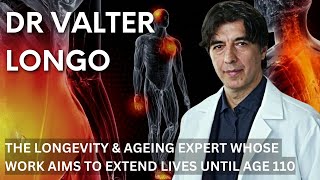
This video features Dr. Valter Longo, a professor of gerontology and biological sciences at the University of Southern California and director of the USC Longevity Institute, discussing his pioneering research on aging and the fasting-mimicking diet (FMD). Dr. Longo shares the scientific rationale behind the FMD, how it differs from other fasting methods, and its potential to extend healthspan and treat various chronic diseases.
Origins and Scientific Basis of the Fasting-Mimicking Diet
Dr. Longo was drawn to the study of longevity and aging early in his career, recognizing aging as the central risk factor for many diseases. Traditional calorie restriction, involving a chronic 25% reduction in calorie intake, has been shown to slow aging and reduce age-related diseases but is difficult for most people to sustain due to its severity and side effects like low body weight and muscle loss.
To address these challenges, Dr. Longo developed the fasting-mimicking diet as a periodic intervention that mimics the metabolic effects of fasting while allowing some food intake. The FMD typically involves consuming about 800 to 1100 kilocalories per day for four to seven days, repeated once a month or less frequently. This approach aims to trigger fasting-like metabolic responses safely and with better compliance.
The diet is plant-based, low in sugars and specific amino acids that interfere with fasting responses, and relatively high in healthy fats. This composition is designed to induce fat burning and ketone production, key features of the fasting state, without the risks associated with water-only fasting.
Clinical Evidence and Therapeutic Applications
Dr. Longo highlights multiple human clinical trials demonstrating the FMD's benefits in metabolic diseases such as diabetes and pre-diabetes. These trials show significant reductions in blood glucose (A1C) and enable many patients to reduce or discontinue medications, achieving remission of their condition.
In oncology, about ten clinical trials have explored the FMD's role in enhancing chemotherapy effectiveness and stimulating immune responses against tumors. While cancer treatment is complex, the FMD appears promising as an adjunct to improve therapeutic outcomes.
Animal studies reveal that the FMD activates stem cells, reprograms cells to a younger state, and promotes regeneration across multiple systems including the pancreas, immune system, gut, and brain. These regenerative effects suggest broad potential for repairing damage caused by aging or disease.
Evolutionary Perspective on Fasting and Metabolism
Fasting is an evolutionarily conserved metabolic state historically linked to seasonal food scarcity. For example, emperor penguins undergo prolonged fasting during incubation periods, relying on fat stores for survival. Early humans likely experienced similar cycles of feast and famine aligned with seasonal changes.
Modern lifestyles lack these natural fasting periods, contributing to widespread obesity, insulin resistance, and metabolic diseases. The FMD seeks to reintroduce a controlled fasting-like state to reset metabolism, prevent disease progression, and avoid the dangers of prolonged fasting such as hypoglycemia and metabolic slowdown.
The five-day duration of the FMD balances entering ketosis and autophagy without triggering harmful metabolic adaptations or excessive hunger, making it a practical and effective intervention.
Distinguishing the Fasting-Mimicking Diet from Other Fasting Methods
Unlike intermittent fasting or water-only fasting, the FMD provides a specific, clinically tested nutritional regimen designed to mimic fasting's benefits while maintaining safety and tolerability. Dr. Longo emphasizes that fasting effects vary widely depending on individual health status, diet history, and adherence, underscoring the importance of standardized, evidence-based protocols.
The FMD's plant-based formula includes prebiotic ingredients that may support gut health, contrasting with water-only fasting which can increase gut permeability.
Individual Variability and Dietary Protein Considerations
Dr. Longo notes that individuals accustomed to healthy, plant-based diets tend to tolerate the FMD well, while those with diets high in red meat and processed foods may find the initial fasting period more challenging. Benefits are often greatest in individuals with elevated risk factors such as high blood glucose, cholesterol, blood pressure, or inflammation.
Regarding protein intake, Dr. Longo discusses research showing that high protein consumption in individuals under 65 is associated with a fourfold increased risk of cancer, while this association diminishes in older adults. He advocates for mostly plant-based or pescatarian diets with moderate protein, tailored to individual needs, and stresses the complexity of nutrition science requiring personalized approaches.
Neuroinflammation and Chronic Neurodegenerative Diseases
Neuroinflammation, characterized by chronic immune activation in the brain, is implicated in Alzheimer's disease and cognitive decline. Dr. Longo's animal studies show that the FMD reduces neuroinflammatory markers and improves cognition in mice genetically predisposed to Alzheimer's.
Ongoing clinical trials in Italy are testing the FMD's effects in Alzheimer's patients, with preliminary observations indicating good tolerability even in older individuals. Dr. Longo suggests that combining metabolic interventions like the FMD with pharmacological treatments may be more effective than drugs alone in managing neurodegenerative diseases.
Gut Health and Autoimmune Disorders
Research indicates that the FMD can improve gut health by reducing inflammation, promoting stem cell regeneration in the gut lining, and positively altering the microbiota. This contrasts with water-only fasting, which may increase gut permeability.
Clinical trials are underway at institutions such as Stanford and the University of Miami to evaluate the FMD in inflammatory bowel disease and other autoimmune conditions. Dr. Longo's clinical experience also suggests benefits in patients with autoimmune diseases, though formal human trial data are still forthcoming.
Stem Cell Activation and Regenerative Potential
A key benefit of the FMD is its ability to stimulate stem cell activation and tissue regeneration across multiple organs, including the pancreas, immune system, gut, and brain. This regenerative capacity involves reactivating embryonic developmental programs, enabling repair of damage caused by aging or toxins.
For example, in mice with pancreatic damage, cycles of fasting and refeeding induce reprogramming of cells into stem-like pancreatic cells that regenerate insulin-producing beta cells, effectively reversing permanent damage.
Dr. Longo envisions that such interventions could significantly extend healthspan, allowing people to remain healthy into advanced age. However, he acknowledges that extreme lifespan extension beyond current limits (e.g., to 150 years) is unlikely without additional, more controversial biohacking technologies.
Practical Considerations and Safety
Dr. Longo stresses that the FMD should be done using clinically tested protocols to ensure safety and efficacy. He cautions against unsupervised fasting or untested recipes, noting that the medical community requires rigorous evidence to support widespread adoption.
The diet is typically done three to four times per year at most, and is designed to avoid dangerous drops in blood sugar or blood pressure. While some individuals may experience initial hunger or difficulty, most tolerate the diet well, including older adults and patients with chronic diseases.
Future Directions and Longevity Research
Dr. Longo is optimistic about the future of longevity research, anticipating that in the next 10 to 20 years, interventions like the FMD will help shift populations toward healthier aging and reduce chronic disease burden. He foresees a move away from chronic medication use toward regenerative and metabolic therapies that maintain health into advanced age.
He also notes that combining nutritional interventions with pharmacological treatments, as seen in cancer and potentially Alzheimer's disease, will be key to maximizing therapeutic benefits.
Source Information
This content is based on a 37-minute YouTube video featuring Dr. Valter Longo, recorded in 2023. The transcript provides detailed insights into his research and clinical experience with the fasting-mimicking diet and its applications to aging and disease. The video is hosted on YouTube and linked to topics including fasting protocols and reasons for living longer.
The information reflects Dr. Longo's perspectives and findings from clinical trials and animal studies. While promising, some claims, especially regarding neurodegenerative diseases and gut health, are still under investigation and not yet conclusively proven in humans. The video cautions against unsupervised fasting and emphasizes adherence to clinically tested protocols.