Living with Hereditary Cancer Risk - Detailed Summary
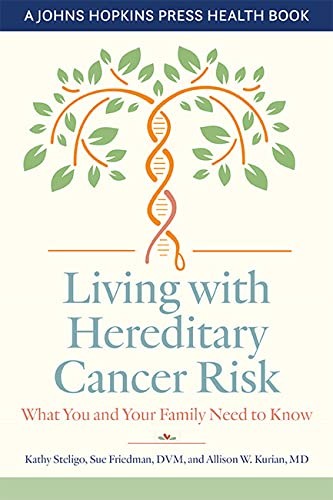
Living with Hereditary Cancer Risk: What You and Your Family Need to Know
Authors: Sue Friedman, Rebecca Sutphen, Kathy Steligo
Publication Year: 2022
Page Count: 496
Scope and Purpose: This comprehensive volume serves as an authoritative guide for individuals and families facing hereditary cancer risk. It synthesizes current scientific knowledge, clinical guidelines, and psychosocial insights to empower readers with inherited cancer mutations or family histories of cancer. The book addresses foundational genetics, specific inherited cancer syndromes, risk management strategies, treatment options, and quality-of-life considerations, including emotional and reproductive health. It is designed to support informed decision-making, effective communication within families, and collaboration with healthcare providers.
Intended Audience: The book targets individuals with known or suspected hereditary cancer risk, including previvors (those with mutations but no cancer diagnosis), cancer survivors, and their families. It is also a valuable resource for genetic counselors, clinicians, and allied health professionals seeking a patient-centered, up-to-date reference on hereditary cancer genetics, management, and supportive care.
Part I: Understanding Cancer and Inherited Risk
Chapter 1: The Link between Genetics and Cancer
This chapter introduces the fundamental biological concepts underlying hereditary cancer risk. It explains that genetics studies the transmission of traits through DNA, which is organized into 23 chromosome pairs inherited equally from each parent. Genes are DNA segments coding for proteins essential to bodily functions. Mutations—alterations in DNA sequence—can disrupt protein function and lead to disease.
The chapter distinguishes between germline mutations (inherited from parents and present in all cells) and somatic mutations (acquired during life and confined to tumor cells). Cancer arises when mutations impair normal cell growth regulation, causing uncontrolled proliferation and tumor formation. The process involves initiation (mutation), promotion (tumor growth and immune evasion), and progression (spread/metastasis).
Most cancers are sporadic, caused by somatic mutations, but approximately 10% are hereditary, involving germline mutations that confer increased risk. Hereditary cancers often present earlier, may be more aggressive, and affect multiple family members. Understanding these distinctions is critical for risk assessment, screening, and treatment planning.
Chapter 2: What’s Swimming in Your Gene Pool?
This chapter emphasizes the importance of family medical history in evaluating inherited cancer risk. Since mutations can be inherited from either parent, a detailed pedigree including three generations of blood relatives is essential. The pedigree documents cancer types, ages at diagnosis, ethnicity, and other health factors.
Shared DNA percentages correlate with degree of relation: first-degree relatives share ~50%, second-degree ~25%, and third-degree ~12.5%. Small families, early deaths, or cultural taboos may obscure hereditary patterns. Genetic counselors analyze pedigrees to identify patterns suggestive of inherited mutations and recommend appropriate testing.
Chapter 3: Signs of Hereditary Cancer
Building on pedigree analysis, this chapter outlines clinical and familial signs that suggest hereditary cancer syndromes. These include early-onset cancers, multiple affected relatives with the same or related cancers, rare cancers (e.g., male breast, pancreatic), and cancers across generations.
Genetic counseling is highlighted as essential before testing to interpret history, select appropriate tests, and provide psychosocial support. Testing minors is generally deferred unless medically indicated. Testing should ideally begin with an affected family member to maximize informative results. The chapter cautions against direct-to-consumer tests lacking professional guidance.
Insurance coverage and legal protections (GINA and HIPAA) are discussed, along with the dynamic nature of genetic testing and the need for ongoing pedigree updates.
Chapter 4: What Your Test Results Tell You
Genetic test results fall into three categories: positive (pathogenic mutation detected), negative (no mutation detected), and variants of uncertain significance (VUS). Positive results indicate increased cancer risk and a 50% chance of transmission to offspring. Negative results in the presence of a known family mutation generally mean average population risk.
VUS results are ambiguous and require ongoing research and family history correlation. Risk statistics are population averages and do not precisely predict individual outcomes. Emotional responses to results vary widely; genetic counseling and family communication (“cascade testing”) are critical for support and risk management.
The chapter stresses assembling a multidisciplinary healthcare team for ongoing care and the importance of sensitive communication strategies within families.
Part II: Inherited Gene Mutations and the Cancers They Cause
Chapter 5: Introducing BRCA1 and BRCA2
BRCA1 and BRCA2 are tumor suppressor genes involved in DNA repair. Mutations impair repair mechanisms, increasing risks for breast, ovarian, pancreatic, prostate cancers, and melanoma. Approximately 1 in 400 individuals in the U.S. carry BRCA mutations, with higher prevalence (1 in 40) among Ashkenazi Jews due to founder mutations.
Lifetime breast cancer risk is up to ~65% for BRCA1 and ~61% for BRCA2 carriers; ovarian cancer risk is also elevated, especially for BRCA1. Men with BRCA mutations have increased breast and prostate cancer risks. Genetic counseling is recommended for testing and management decisions.
Chapter 6: Lynch Syndrome: Five Genes, One Hereditary Syndrome
Lynch syndrome results from mutations in mismatch repair genes (MLH1, MSH2, MSH6, PMS2, EPCAM) and is underdiagnosed despite affecting ~1 in 300 people. It significantly increases colorectal and endometrial cancer risks, as well as ovarian, stomach, pancreatic, urinary tract, brain, and skin cancers.
Lifetime colorectal cancer risk can reach 60%, with earlier onset and faster progression than sporadic cases. Women have up to 60% risk of endometrial cancer. Rarely, biallelic mutations cause constitutional mismatch repair-deficiency syndrome with early-onset cancers. Multidisciplinary care and universal tumor screening improve detection and management.
Chapter 7: Other Genes That Are Linked to Inherited Cancer Risk
Beyond BRCA and Lynch genes, mutations in PALB2, ATM, CHEK2, TP53, APC, PTEN, and others confer varying cancer risks. For example, PALB2 mutations increase female breast cancer risk to 40–60% and may raise ovarian, male breast, and prostate cancer risks. APC mutations cause familial adenomatous polyposis (FAP), leading to numerous colon polyps and near-certain colorectal cancer without intervention.
Other notable genes include CDH1 (hereditary diffuse gastric cancer), CDKN2A and CDK4 (melanoma), MUTYH (biallelic mutations cause MAP), NF1 (neurofibromatosis type 1), PTEN (Cowden syndrome), STK11 (Peutz-Jeghers syndrome), and TP53 (Li-Fraumeni syndrome). Genetic counseling is essential for interpretation and management due to variable penetrance and guidelines.
Chapter 8: Breast Cancer Basics
Breast cancer is the second most common cancer in U.S. women and rarely affects men. Most cancers originate in ducts or lobules. Early detection via mammography and MRI is critical, as tumors become palpable only after years of growth.
Risk factors include non-modifiable (female sex, age, inherited mutations, family history) and modifiable (age at first birth, breastfeeding, hormone use, obesity). Breast changes such as atypical hyperplasia and lobular carcinoma in situ increase risk.
Breast cancer types include ductal carcinoma in situ (DCIS), invasive ductal carcinoma (IDC), invasive lobular carcinoma (ILC), inflammatory breast cancer, and rarer forms. Diagnosis relies on clinical exam, imaging, and biopsy.
Chapter 9: Gynecologic Cancers
This chapter covers ovarian, fallopian tube, primary peritoneal, and uterine cancers, excluding cervical and vaginal cancers which are generally not hereditary. Ovarian cancers often originate in fallopian tubes and are diagnosed late due to subtle symptoms, resulting in poorer prognosis.
Risk factors include inherited mutations (BRCA, Lynch), reproductive history, and hormonal factors. Early detection remains challenging; screening tools like CA-125 and transvaginal ultrasound have limited sensitivity. Treatment and risk reduction strategies are discussed in later parts.
Chapter 10: Gastrointestinal Cancers
Genes linked to gastrointestinal cancers include mismatch repair genes, STK11, TP53, and others. Colorectal cancer (CRC) is the third most common U.S. cancer, with rising incidence in younger adults. Risk factors include family history, diet, and lifestyle.
Screening colonoscopy is the most effective prevention. Pancreatic cancer, though less common, has high mortality due to late detection. Genetic testing is recommended for pancreatic adenocarcinoma patients. Stomach and anal cancers are also discussed, with emphasis on hereditary syndromes and HPV-related risks.
Chapter 11: Genitourinary Cancers
Prostate cancer is the second most common cancer in U.S. men, often slow-growing but with aggressive forms linked to BRCA2 mutations. Screening includes PSA testing and biopsy. Bladder, ureter, and renal pelvis cancers are mostly urothelial carcinomas, with smoking as a major risk factor. Lynch syndrome increases risk for some genitourinary cancers.
Chapter 12: Melanoma
Melanoma is the most aggressive skin cancer, with rising incidence globally. Early detection using the ABCDE criteria is vital. Familial melanoma involves mutations in CDKN2A, CDK4, and others. Racial disparities exist, with acral lentiginous melanoma more common in darker-skinned individuals. Prevention focuses on sun protection and regular skin exams.
Part III: Risk Management
Chapter 13: Risk Management Guidelines
Risk management strategies vary by gene mutation and family history. Following expert guidelines (e.g., NCCN) reduces cancer risk or aids early detection but cannot eliminate risk entirely. Genetic counseling and testing are recommended for at-risk relatives. Reproductive options such as prenatal diagnosis and preimplantation genetic testing are discussed.
Specific recommendations include:
- BRCA1/2: Breast awareness from age 18, clinical exams and MRI from 25, mammograms from 30, risk-reducing salpingo-oophorectomy (RRSO) after childbearing (35-40 for BRCA1, 40-45 for BRCA2).
- Lynch Syndrome: Colonoscopy every 1-2 years starting 20-35 depending on gene, endometrial biopsy, urinalysis, aspirin use consideration, pancreatic screening with family history.
- Other Genes: Surveillance and surgical recommendations tailored to mutation (e.g., APC, ATM, CDH1, CHEK2, MUTYH, PALB2, PTEN, STK11, TP53).
Chapter 14: Early Detection Strategies for High-Risk People
Screening aims to detect cancers early but involves trade-offs between sensitivity and specificity. High-risk individuals require earlier and more frequent screening than the general population.
Breast cancer surveillance includes self-exams, clinical exams, annual MRI from 25, and mammograms from 30 (avoiding mammograms in TP53 mutation carriers due to radiation sensitivity). Gynecologic cancer screening is limited; pelvic exams, transvaginal ultrasound, CA-125, and endometrial biopsy may be used. Colonoscopy remains the gold standard for colorectal cancer screening.
Pancreatic cancer screening is reserved for very high-risk individuals at specialized centers using endoscopic ultrasound and MRI. Screening guidelines are regularly updated, and transgender individuals should follow screening based on retained organs.
Chapter 15: Medications That Reduce Cancer Risk
Chemoprevention uses medications to reduce cancer risk in healthy high-risk individuals. For breast cancer, selective estrogen receptor modulators (SERMs) like tamoxifen and raloxifene reduce hormone-sensitive breast cancer risk by about 50%, with side effects including menopausal symptoms and clot risk. Aromatase inhibitors are effective in postmenopausal women but have bone loss risks.
Oral contraceptives reduce ovarian and endometrial cancer risk but slightly increase breast cancer and clot risks. Aspirin reduces colorectal cancer risk in Lynch syndrome but requires risk-benefit discussion. Prostate cancer chemoprevention trials have shown mixed results. Sunscreens are effective for melanoma prevention but underused.
Chapter 16: Surgeries That Reduce Breast Cancer Risk
Risk-reducing mastectomy (RRM) removes breast tissue to lower breast cancer risk by 90–95%. It is recommended for women with high-risk mutations or strong family history. Types include total mastectomy, skin-sparing, and nipple-sparing, with reconstruction options using implants or autologous tissue.
Surgeries carry risks such as pain, infection, and fatigue. While RRM reduces cancer risk, it may not improve overall survival. Decisions are highly personal and irreversible. Post-surgery surveillance includes clinical exams; mammography is generally not needed.
Chapter 17: Surgeries That Reduce the Risk of Gynecologic Cancers
Risk-reducing salpingo-oophorectomy (RRSO) removes ovaries and fallopian tubes, decreasing ovarian and related cancer risk by over 80% and reducing hormone-sensitive breast cancer risk if done premenopause. Timing varies by mutation type (BRCA1: 35-40; BRCA2: 40-45).
Salpingectomy alone is under study but not yet standard. Surgical menopause results in symptoms such as hot flashes and bone loss. Hysterectomy may be recommended for Lynch or PTEN mutation carriers to reduce endometrial cancer risk. Combined hysterectomy and RRSO maximize risk reduction but cause infertility and menopausal symptoms.
Chapter 18: Surgeries That Reduce the Risk of Gastrointestinal Cancers
Colectomy is recommended for inherited colorectal cancer syndromes like FAP and MUTYH-associated polyposis. Types range from segmental to total proctocolectomy, with varying impacts on bowel function and surveillance needs.
Total gastrectomy is advised for hereditary diffuse gastric cancer (HDGC) due to CDH1 mutations, given poor early detection and aggressive disease. This surgery involves removal of the stomach and reconstruction, with significant nutritional and lifestyle implications. Dumping syndrome and nutritional deficiencies require management. Decisions require thorough counseling and support.
Chapter 19: Factors That Affect Cancer Risk
Cancer risk is multifactorial, influenced by inherited mutations, family history, lifestyle, environment, and aging. Modifiable lifestyle factors include nutrition, maintaining healthy weight, physical activity, limiting alcohol, and avoiding tobacco. Approximately 18% of U.S. cancers are linked to poor diet, obesity, inactivity, and alcohol use.
A plant-based, high-fiber diet rich in colorful fruits and vegetables supports immune function and DNA repair. No single food guarantees prevention, but balanced nutrition and healthy lifestyle choices reduce overall risk.
Part IV: Treatment Choices for Hereditary Cancers
Chapter 20: Identifying Tumor Characteristics That Inform Treatment Choices
Pathology determines cancer type, stage (TNM system), and grade, guiding treatment decisions. Biomarker testing identifies molecular targets and predicts treatment response. DNA damage repair genes (e.g., BRCA, mismatch repair genes) influence tumor behavior and therapy sensitivity.
Biomarker testing complements genetic testing but differs in purpose. Liquid biopsies offer less invasive mutation detection and monitoring. Insurance coverage for testing varies but is often available under clinical criteria.
Chapter 21: Treating Breast Cancer
Breast cancer treatment depends on tumor subtype, stage, biomarkers (HER2, hormone receptors), and inherited mutations. Genetic testing informs treatment and family risk. Treatment modalities include surgery (lumpectomy, mastectomy), radiation, chemotherapy, hormone therapy, targeted therapy (anti-HER2 agents, PARP inhibitors), and immunotherapy.
Hormone therapies reduce recurrence in hormone receptor–positive cancers. Chemotherapy is standard for triple-negative and many invasive cancers. PARP inhibitors benefit BRCA mutation carriers. Treatment decisions consider side effects, fertility, and quality of life.
Chapter 22: Treating Gynecologic Cancers
Ovarian, fallopian tube, and primary peritoneal cancers are treated with surgery and chemotherapy, with PARP inhibitors effective in BRCA mutation carriers. Genetic counseling/testing is recommended for all ovarian cancer patients. Biomarker testing (CA-125, mismatch repair status, HRD) guides targeted and immunotherapy.
Endometrial cancer treatment includes surgery, radiation, chemotherapy, hormone therapy, and targeted agents. Lynch syndrome mutations may predict response to immunotherapy. Follow-up includes regular exams and monitoring for recurrence.
Chapter 23: Treating Gastrointestinal Cancers
Treatment of hereditary colorectal, pancreatic, and gastric cancers involves surgery, chemotherapy, radiation, targeted therapy, and immunotherapy. Lynch syndrome and other mutations guide genetic testing and treatment choices.
Colorectal cancer treatment varies by stage and includes colonoscopy surveillance. Pancreatic cancer treatment is challenging due to late diagnosis; genetic testing informs use of platinum chemotherapy and PARP inhibitors. Gastric cancer treatment includes surgery and chemoradiation, with biomarker-guided therapies.
Chapter 24: Treating Genitourinary Cancers
Prostate cancer treatment options include surgery, radiation, hormone therapy, targeted therapies, and immunotherapy. Genetic testing is advised for high-risk or advanced disease. Bladder and upper urinary tract cancers are treated with surgery, intravesical therapies, chemotherapy, and immunotherapy. Lynch syndrome increases risk and guides testing.
Chapter 25: Treating Melanoma
Melanoma treatment includes surgery with sentinel lymph node biopsy, radiation, targeted therapies (BRAF, MEK, C-KIT inhibitors), immunotherapies (checkpoint inhibitors), and specialized approaches for ocular melanoma. Genetic testing is recommended for familial cases. Early detection significantly improves prognosis.
Part V: Living with Inherited High Risk
Chapter 26: Regaining Sexual Health and Intimacy
Prevention and treatment of hereditary cancers often impact sexual health through physical changes (nerve damage, hormone loss, organ removal) and emotional effects (body image, self-esteem). Common issues include pain during sex, reduced libido, erectile dysfunction, and body image concerns.
Strategies to improve intimacy include open communication, counseling, use of lubricants and dilators, pelvic floor therapy, and exploring new forms of intimacy. Men face stigma around sexual dysfunction and may require specialized support.
Chapter 27: Effects of Prevention and Treatment on Fertility
Fertility can be impaired by surgeries (oophorectomy, hysterectomy), radiation, chemotherapy, and hormone therapies. Fertility preservation options include egg/embryo freezing, ovarian tissue freezing, sperm banking, and assisted reproductive technologies. Pregnancy after cancer is generally safe with appropriate timing.
Preimplantation genetic testing allows screening embryos for inherited mutations. Insurance coverage varies, and emotional support is essential during fertility decisions.
Chapter 28: Managing Menopause
Menopause may be natural or induced abruptly by treatment. Symptoms include hot flashes, vaginal dryness, mood changes, and bone loss. Management includes lifestyle modifications, complementary therapies, and medications such as hormone replacement therapy (HRT), with individualized risk-benefit assessment, especially in hereditary cancer contexts.
Non-hormonal options and vaginal estrogen therapies address specific symptoms. Bone health requires monitoring and treatment to prevent osteoporosis.
Chapter 29: Side Effects and Other Quality-of-Life Issues
Side effects from cancer prevention and treatment vary widely. Chemotherapy commonly causes hair loss, nausea, neuropathy, and fatigue. Radiation can cause skin irritation, lymphedema, and vaginal changes. Hormone therapies affect sexual function and bone health. Targeted and immunotherapies have unique side effects including immune-related inflammation.
Management includes supportive care, integrative medicine approaches (diet, mind-body therapies), and palliative care to improve quality of life. Long-term effects such as chronic pain, lymphedema, organ damage, and emotional distress require ongoing attention.
Chapter 30: Making Difficult Decisions
Decisions about genetic testing, risk management, and treatment are complex and emotionally charged. The chapter provides a framework for gathering information, managing emotions, consulting experts, and weighing benefits and risks. Cultural beliefs and family dynamics influence choices.
Clinical trials are encouraged as a means to access novel therapies and contribute to research. Support systems and counseling are vital for coping. The chapter emphasizes patience, self-forgiveness, and empowerment through informed decision-making.
Chapter 31: You Are Not Alone
Emotional distress related to hereditary cancer risk is common and warrants professional support. Building a strong support network—including healthcare providers, family, peers, and patient navigators—is essential. Organizations like FORCE provide valuable resources.
Financial and work-related challenges are addressed with guidance on insurance, disability benefits, and legal protections. Survivorship care plans and hospice care are discussed for ongoing health maintenance and end-of-life planning.
Notable Strengths and Usefulness in This Database
- Comprehensive Coverage: The book thoroughly covers genetics, specific syndromes, risk management, treatment, and quality-of-life issues, making it a one-stop resource for hereditary cancer risk.
- Patient-Centered Approach: Emphasizes clear communication, psychosocial support, and practical guidance for patients and families.
- Up-to-Date Clinical Guidelines: Incorporates current NCCN recommendations and advances in genetic testing and targeted therapies.
- Inclusive Language and Considerations: Addresses gender diversity and acknowledges gaps in knowledge regarding transgender individuals.
- Integration of Emotional and Lifestyle Factors: Recognizes the importance of nutrition, exercise, mental health, and social determinants in cancer risk and survivorship.
- Extensive Resources: Provides references to advocacy groups, financial aid, and legal protections.
Limitations and Cautions
- The rapidly evolving field of hereditary cancer genetics means some recommendations may change; readers should consult healthcare providers and updated guidelines.
- Genetic testing interpretation can be complex; professional counseling is essential to avoid misinterpretation and unnecessary interventions.
- The book is not a substitute for personalized medical advice or treatment planning.
Summary: Living with Hereditary Cancer Risk is an authoritative, detailed guide that equips individuals and families with the knowledge and tools to understand inherited cancer risk, navigate genetic testing, implement risk reduction strategies, pursue appropriate treatment, and maintain quality of life. Its balanced integration of scientific, clinical, emotional, and practical perspectives makes it a valuable addition to any cancer-options reference database.