
Oct 28, 2022
YouTube 30:56
Video
I Had No Symptoms - Margo | Bladder Cancer | The Patient Story
I Had No Symptoms - Margo | Bladder Cancer | The Patient Story
Description
Overview
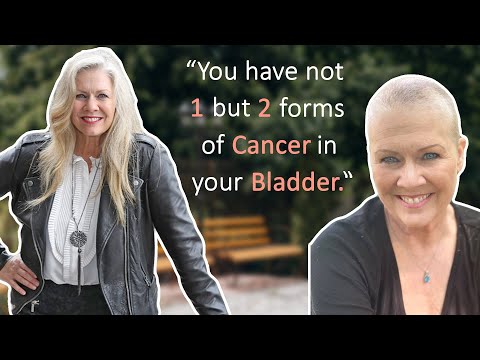
This video features Margo recounting her personal experience with bladder cancer, highlighting how she discovered the disease despite having no symptoms or family history. She describes the initial signs, diagnostic procedures, emotional impact, and the critical role of self-advocacy and second opinions in her care. Margo’s story underscores the challenges of navigating a rare and aggressive form of bladder cancer alongside a more common type.
Initial Symptoms and Early Actions
Margo first noticed blood in her urine, described as a deep rosé color, without any pain or discomfort. She recognized this was unusual, especially since she was past menstruation age, and immediately sought to understand the cause. After ruling out a urinary tract infection through lab testing, she contacted her OB/GYN, who initially suggested monitoring the situation. However, Margo trusted her instincts and insisted on seeing a urologist promptly, demonstrating early self-advocacy.
She researched and selected a urologist with a good reputation, consulting friends and online resources to find a provider she could see quickly. Her proactive approach led to diagnostic procedures including an MRI and cystoscopy. Although the MRI showed no abnormalities, the cystoscopy revealed a lesion in her bladder, which was biopsied for further analysis.
Diagnostic Procedures: Cystoscopy and TURBT
Margo describes the cystoscopy experience as the insertion of a small camera through the urethra to visually inspect the bladder. She was able to see the lesion on the monitor during the procedure, which the urologist described as a "lesion"—a less alarming term for a tumor. Following this, she underwent a transurethral resection of the bladder tumor (TURBT), where the tumor was removed through the urethra and sent for biopsy to determine its nature.
Receiving the Initial Diagnosis and Managing Anxiety
Six days after the biopsy, Margo was informed she had stage 1 highly aggressive bladder cancer. She recalls the shock and disbelief, especially given her healthy lifestyle, absence of symptoms, and no family history of cancer. To manage the anxiety of waiting for results, she focused on family, work, and consciously avoided excessive internet research, which she found unhelpful and distressing.
Her husband was a constant support during this time, providing emotional comfort and strength. Margo also discusses the challenge of communicating the diagnosis to her adult children, balancing honesty with reassurance to avoid causing undue fear while ensuring they understood the seriousness.
Seeking a Second Opinion and Discovery of a Rare Cancer
Despite the initial diagnosis and treatment plan involving immunotherapy with BCG, Margo pursued a second opinion. Her professional background in health insurance informed her awareness of high misdiagnosis rates in cancer cases, motivating her to seek further evaluation. The second opinion came from a urologic oncologist, who recommended a specialized diagnostic procedure called blue light cystoscopy, which was not available locally.
Further evaluation at MD Anderson Cancer Center revealed a second, rare, and lethal form of bladder cancer known as plasmacytoid carcinoma. This type is described as "sneaky," asymptomatic, and 100% fatal and recurring if untreated. It can cloak itself to appear like normal bladder cells, making it difficult to detect and treat. This diagnosis was unexpected and devastating for Margo, who had initially believed she was dealing with a more common and manageable cancer.
Treatment Decisions and Emotional Impact
The presence of plasmacytoid carcinoma necessitated an intensified treatment approach. Margo was advised to undergo multiple chemotherapy agents administered every other week for eight weeks, followed by a radical cystectomy, which involves removal of the bladder and possibly other structures. She describes the emotional difficulty of receiving a second, more serious diagnosis and the overwhelming nature of the treatment plan.
Margo emphasizes the importance of having a strong support system, particularly her husband, who accompanied her throughout the process and provided vital emotional support. She also reflects on the psychological toll of processing two cancer diagnoses and the uncertainty of outcomes.
Self-Advocacy and Navigating Complex Cancer Care
Margo stresses the vital role of self-advocacy throughout her journey. She encourages patients to trust their instincts, seek thorough information, and pursue second opinions, especially from specialists with extensive experience. She acknowledges the emotional complexity of advocating for oneself without offending healthcare providers but emphasizes that respectful persistence is crucial.
She notes that many doctors support patients seeking second opinions and that doing so can be life-saving. Margo shares that despite feelings of disloyalty or concern about offending her initial providers, she prioritized her health and obtained the best possible care by consulting experts at a renowned cancer center.
Margo also highlights the disparity in expertise between local providers and specialists at MD Anderson, who see more cases of rare cancers like plasmacytoid carcinoma and are better equipped to diagnose and treat them effectively.
Communication and Family Support
Throughout her experience, Margo underscores the importance of clear and honest communication with family members. She tailored her conversations with her adult children to be straightforward yet reassuring, acknowledging their need for information without causing unnecessary alarm. She also recognizes the unique challenges faced by caregivers, such as her husband, who require their own support resources.
Key Takeaways
- Bladder cancer can present without symptoms, making vigilance important.
- Initial diagnoses may not reveal the full extent or type of cancer; second opinions can uncover critical information.
- Rare cancer types like plasmacytoid carcinoma require aggressive treatment and expert care.
- Effective communication with family and caregivers is essential for emotional support.
- Self-advocacy, including researching providers and treatment options, is a powerful tool for patients.
- Respectful persistence in healthcare interactions is possible and encouraged.
Source Information
This detailed patient story is presented on The Patient Story YouTube channel, featuring an interview with Margo, who shares her bladder cancer experience. The video includes her firsthand account of symptoms, diagnosis, treatment, and advocacy. The transcript provides a comprehensive narrative, edited for clarity, and is intended to inform and support others facing similar health challenges. The content reflects Margo’s personal journey and perspectives without external medical validation or additional clinical data.