Foreword
Author: Dave Asprey
The foreword introduces grounding (also called Earthing) as a fundamental health discovery with profound implications for well-being. Dave Asprey shares his personal experience of grounding to overcome jet lag, emphasizing the importance of the body’s electrical activity and the need for a “good ground” to maintain optimal health. Grounding is described as a natural, free method to reduce stress, improve energy, cognition, and alleviate chronic pain. Despite its benefits, grounding lacks large pharmaceutical-funded clinical trials due to its free and natural nature, which limits commercial incentives for research.
Introduction: The World's First Healing Resource
This section sets the stage by defining grounding as the Earth’s energy connection to living beings, a relationship that has existed since life began approximately 3.5 billion years ago. Historically, humans were naturally grounded through barefoot walking or wearing leather footwear, which conducted Earth’s electrons into the body.
The authors highlight that chronic inflammatory diseases such as diabetes, heart disease, and hypertension were rare before modern disconnection from the Earth’s energy. Modern lifestyle factors—including synthetic footwear, nonconductive surfaces, pollution, electromagnetic fields (EMFs), and processed foods—disrupt this natural grounding connection, contributing to inflammation and chronic illness.
Grounding is presented as an accessible, free, and powerful method to restore health by reconnecting to the Earth’s electrons. The book aims to explain the science behind grounding, share personal stories, and provide practical guidance for integrating grounding into daily life to improve health outcomes.
Chapter 1: The Greatest Health Discovery on Earth
This chapter shares the authors’ personal grounding experiences, which they credit with changing and saving their lives. Dr. Stephen T. Sinatra, a cardiologist with 50 years of experience, advocates for integrative medicine approaches that include grounding. Despite its simplicity and benefits, grounding remains under-recognized in mainstream medicine.
The COVID-19 pandemic and associated quarantine underscored the importance of nature and grounding for mental and physical health. The rise in inflammatory and immune diseases is linked to disconnection from the Earth.
Personal stories include Sharon Whiteley’s discovery of grounding at a conference, her entrepreneurial efforts to develop grounding footwear, and her recovery from Raynaud’s disease. Dr. Sinatra’s background includes early interest in vibrational medicine and energy healing. Step Sinatra’s near-death experience from multisystem illness linked to toxic EMF exposure illustrates grounding’s role in recovery.
The authors recommend at least 30 minutes of daily grounding, emphasizing that grounding is safe, free, and effective as a complementary health practice.
Chapter 2: Sacred Ground
This chapter explores the ancient human connection to Earth’s rhythms, including circadian, lunar, and tidal cycles. Biological clocks in humans and other organisms synchronize with solar and lunar cycles, influencing health and behavior.
Traditional healing practices such as Native American sweat lodges and lymphatic stimulation support detoxification and are rooted in grounding principles. Ancient Greeks revered the Earth as a healing force; athletes trained barefoot on natural surfaces, consumed organic diets, and used natural therapies like olive oil, sunbathing, and thermal baths.
Modern athletes, such as baseball pitcher Adam Ottavino, continue grounding rituals on sacred sports grounds. Sacred sites and energy vortexes have historically been recognized as places of healing.
Eastern medicine, including Traditional Chinese Medicine (TCM), views health as a balance of five elements. Grounding strengthens Kidney energy, considered the root of vitality. Practices like Qigong and Tai Chi promote energy flow and healing. The Kidney Meridian’s entry point is on the sole of the foot, linking directly to Earth’s energy during grounding.
Native American traditions emphasize the power of the land for healing, with grounding seen as a vital energy exchange promoting cellular harmony. The chapter cautions that some traditional beliefs, such as lunar effects on physiology, remain anecdotal or unproven scientifically.
Historical and Cultural Perspectives on Grounding
Indigenous cultures inherently practiced grounding by direct contact with the Earth, recognizing its vital energy exchange that promotes healing and cellular harmony. Disconnection from the Earth is linked to diseases including cancer and AIDS in these perspectives.
Native Americans revered the Earth as a life-giving mother, sitting on the ground, wearing leather footwear or going barefoot, and honoring sacred sites like Sedona’s energy vortexes, which produce perceptible energy sensations. Earth worship is universal across cultures, with sacred ground referenced in religious texts such as the Bible.
Anecdotes include a 99-year-old Native American woman thriving despite poor living conditions, attributed to her constant grounding lifestyle. Modern synthetic footwear insulates humans from Earth’s electrons, disrupting natural energy flow and contributing to chronic illness. The authors emphasize that “shoes can make you sick.”
Scientific and Medical Foundations of Grounding
Dr. Sinatra’s personal story includes a family history of diabetes and blindness. He learned about grounding from Clint Ober in 2001, linking grounding to improved blood vessel elasticity and reduced stress. The rise in diabetes since the 1950s correlates with increased use of synthetic-soled shoes and disconnection from Earth.
Grounding has been shown in animal and human studies to lower blood sugar. Humans are bioelectric beings; cells generate electrical currents essential for life, powered by mitochondria producing ATP. The heart is an electrical organ dependent on proper electrical signals.
Grounding restores electrical balance by electron exchange with Earth, improving blood viscosity and cardiovascular health. EMFs from modern technology (cell phones, 5G) are a major health threat, damaging mitochondrial DNA and increasing risks for diseases including infertility and heart disease.
Dr. Sinatra’s studies showed grounding thins blood and counteracts EMF effects. He advocates minimizing wireless devices at home, especially in bedrooms, and using grounding products such as mats and sheets to maintain connection to Earth’s energy. Grounding combined with a healthy diet (organic, low sugar, Mediterranean) enhances health and reduces inflammation.
Grounding can reduce reliance on pharmaceuticals and mitigate risks for heart disease, cancer, diabetes, COVID-19, and chronic lung disease. Dr. Sinatra considers grounding a major breakthrough in heart health and overall well-being.
Personal Stories of Healing Through Grounding
Sharon Whiteley: An entrepreneur focused on positive products, she founded grounding shoe companies Pluggz and Harmony783 to help people reconnect with Earth’s energy comfortably. She survived a heart attack, attributing her recovery and ongoing health to grounding practices including barefoot walking, grounding mats, and grounding shoes. She experienced benefits on circulation, inflammation (notably Raynaud’s syndrome), and mobility.
Harmony783 is named after Earth’s Schumann Resonance frequency (7.83 Hz), which supports optimal brain and cellular function. Sharon advocates grounding as a natural antidote to inflammation, fatigue, and chronic pain, promoting energy, balance, and calm. She emphasizes grounding as a daily practice for health maintenance and aging well.
Step Sinatra: A former Wall Street trader whose intense, tech-heavy lifestyle led to severe health decline by age 26. Exposure to constant electromagnetic frequencies and stress contributed to his physical deterioration. He moved to nature-rich environments (Boulder, Colorado; Hawaii; California) seeking healing. His experience exemplifies the dangers of disconnection from Earth and overexposure to technology-induced EMFs. Grounding and nature exposure were key to his recovery from toxic stress and tech overload.
Chapter 3: Personal Health Crisis and Grounding Recovery
The author recounts a severe health decline over years, including drastic weight loss and frailty, with no identifiable disease such as cancer, leukemia, HIV, or Lyme disease. Symptoms baffled doctors, and rapid deterioration occurred despite medical efforts.
Exposure to electromagnetic fields (EMFs) from devices like cell phones and laptops worsened symptoms; the body reacted negatively to technology presence, causing setbacks. A near-death experience led to a spiritual awakening, embracing faith and emotional transformation as part of healing. The author recognized that emotions carry energetic frequencies influencing physical health.
Recovery involved major lifestyle changes: disconnection from technology and reconnection with nature (grounding) were critical. The author moved from urban to rural/natural environments to minimize EMF exposure and maximize grounding.
Grounding is defined as direct physical contact with Earth’s surface (soil, water, etc.), transferring negatively charged electrons into the body. This neutralizes harmful free radicals (oxidants), reduces inflammation, and restores bioelectrical balance.
Grounding Benefits and Scientific Evidence
- Improves blood viscosity (thickness), reducing cardiovascular risks.
- Enhances heart rate variability (HRV), a marker of autonomic nervous system balance and stress resilience.
- Reduces inflammation and pain.
- Improves sleep quality and mood by regulating cortisol and other hormones.
- Supports skin health and tissue repair.
- Helps conditions like Raynaud’s syndrome by improving circulation.
Key studies cited include:
- 2013 blood viscosity study (Chevalier, Sinatra et al.): Grounding reduced blood viscosity by 283%, significant for cardiovascular disease prevention.
- HRV study: 27 subjects showed marked HRV improvement after 20 minutes grounding; benefits increased with time grounded.
- Skin blood flow study: 1 hour grounding improved facial blood flow and skin repair.
- Cortisol regulation study: Grounding during sleep improved sleep quality and reduced pain.
- Preterm infants study (Penn State): Grounding improved vagal tone and relaxation in NICU babies.
- COVID-19 study (Iraq): Grounded patients had fewer lung blood clots and better symptom improvement.
- Blood pressure study: 12 hypertensive patients reduced or eliminated medications after grounding up to 12 hours daily.
Innovations and Testimonials
Sharon Whiteley developed conductive shoes (Pluggz) with carbon plugs to enable grounding while walking. A pilot study showed physiological relaxation responses after 10 minutes of wearing these shoes.
Personal and celebrity testimonials credit grounding with life-saving effects in heart attack survivors, injury recovery (Suzanne Somers), and athletic performance (Aaron Rodgers, Adam Ottavino).
The mechanism of grounding involves overcoming the insulating effects of modern rubber-soled shoes and urban living, which disconnect humans from Earth’s natural electrical energy, contributing to chronic inflammation and disease.
Practical grounding methods include walking barefoot, swimming in natural waters, using conductive mats or grounding rods indoors, and holding metal faucets during showers.
EMF exposure risks are acknowledged; man-made EMFs cause oxidative stress, inflammation, and autonomic nervous system disruption. Grounding mitigates but does not fully shield from EMFs.
The author’s current practice includes living on a Greek island, using grounding rods connected to seawater, and prioritizing daily grounding to maintain health.
Emphasis is placed on reconnecting with Earth as a free, accessible healing modality that restores health, reduces inflammation, and supports cardiovascular and overall wellness.
Human Sustainability and Modern Lifestyle Challenges
For millions of years, humans lived in direct contact with Earth—barefoot or with conductive footwear, physically active, eating natural foods, and exposed to natural environments. Since the Industrial Revolution, urbanization, rubber-soled shoes, indoor living, and pervasive wireless technology have disconnected humans from Earth’s energy.
Despite increased life expectancy, chronic non-communicable diseases such as heart disease, cancer, and Alzheimer’s have risen, linked to inflammation, stress, inactivity, and disconnection from natural environments.
Coronary artery disease remains the leading cause of death; inflammation is a more accurate predictor than cholesterol alone. Lifestyle factors contributing to chronic disease include stress, poor diet, inactivity, high blood pressure, and EMF exposure.
Grounding is presented as a foundational health practice that reduces inflammation, improves cardiovascular function, lowers stress hormones, enhances sleep, and supports nervous system balance.
The authors imply a framework of “Four Rs” for better health: Restore health, Recharge energy, Revitalize body, and Reconnect with Earth.
Scientific studies, clinical observations, and personal stories support grounding as a potent, evidence-backed complementary approach to improving health, especially cardiovascular health and stress resilience, with implications for cancer and chronic disease management.
Chapter 4: Grounding, Exercise, Sleep, and Detoxification
Walking grounded—barefoot or with conductive footwear—enhances cardiovascular benefits beyond regular walking. The authors recommend 30 minutes four times a week to reduce heart disease risk factors.
Uncontrolled high blood pressure damages arterial endothelium, leading to plaque buildup, artery hardening, and risks of heart disease, stroke, aneurysm, kidney damage, cognitive impairment, eye damage, and sexual dysfunction. High blood pressure is worsened by diabetes.
Grounding reduces blood viscosity (“hyperviscosity”), inflammation, and blood pressure, improving circulation and lowering clot risk.
Chronic stress elevates heart rate and blood pressure via adrenaline, contributing to obesity, Alzheimer’s, diabetes, depression, gastrointestinal issues, and asthma. Stress management techniques include grounding, yoga, meditation, and deep breathing.
Grounding calms the sympathetic nervous system, lowers cortisol, improves autonomic nervous system balance, reduces muscle tension, and enhances sleep quality.
Exercise Benefits
- Cardiovascular health: lowers heart disease risk, improves endurance.
- Diabetes: improves insulin sensitivity, weight control.
- Asthma: reduces attack frequency and severity.
- Back pain: strengthens muscles, improves function.
- Arthritis: reduces pain, stiffness, improves function.
- Cancer: improves quality of life and fitness; lowers mortality risk in breast, colorectal, and prostate cancers.
- Dementia: improves cognition and lowers risk.
Grounding during outdoor exercise amplifies benefits by reducing inflammation and pain.
Sleep and Grounding
Sleep is essential for detoxification, cognitive function, and cardiovascular health. Chronic sleep deprivation (less than 6 hours) increases risk of heart disease, stroke, diabetes, obesity, and early death. Optimal bedtime is 10–11 PM, linked to lower heart disease risk.
Sleep deprivation disrupts leptin production, increasing appetite and weight gain. Grounding improves sleep by normalizing cortisol and autonomic function. Studies show grounding mattress pads normalize cortisol rhythms and reduce pain, fatigue, and stress.
Detoxification and Environmental Mindfulness
Environmental toxins such as heavy metals, pesticides, BPA, and EMFs are pervasive and harmful. Detoxification is supported by grounding, an organic diet, exercise, herbal supplements, and conscious breathing.
The authors advise avoiding plastics, especially heated plastics, preferring glass, stainless steel, and ceramic. Canned foods with BPA linings should be avoided in favor of fresh or frozen produce. Exercise and sauna use promote toxin elimination via sweat. Sun exposure supports vitamin D synthesis and bone health; weight-bearing exercise strengthens bones.
Environmental mindfulness includes reducing plastic use and BPA exposure to protect health and the Earth.
Grounding is emphasized as a free, accessible, natural method to reduce inflammation, improve circulation, and support overall health and longevity. It is not presented as a cure for chronic disease but as a complementary approach that alleviates symptoms and supports healing.
Integrative medicine increasingly recognizes ancient practices such as acupuncture, meditation, and grounding for holistic health. The “Blue Zones” longevity regions are noted for natural physical activity, gardening (hands in dirt = grounding), fresh diet, and low EMF exposure; grounding may contribute to their health and longevity.
Additional Personal Anecdotes and Animal Wisdom
Raynaud’s disease symptoms improved by grounding (barefoot or grounding shoes). EMF sensitivity improved by reducing exposure and grounding. Dr. Sinatra’s hip inflammation and ankle pain resolved with grounding, avoiding cortisone injections. Walking barefoot on mineral-rich wet sand is identified as the most effective grounding method.
Animals instinctively use earth and natural substances (mud, clay) for healing (zoopharmacognosy). A case study of severely malnourished, confined horses transferred to a large pasture with natural sunlight and grounding conditions showed unexpected thriving, suggesting grounding and natural environment support recovery and health.
Chapters 10–11: Everyday Grounding and Pet Health
Grounding benefits animals and pets. Wild animals naturally grounded outdoors rarely suffer degenerative diseases common in indoor pets. Dogs and cats kept indoors often develop obesity, arthritis, allergies, diabetes, heart disease, and cancer, linked to inflammation and lack of grounding.
Joint health in pets is supported by exercise to maintain flexibility and reduce pain. Swimming and walking on natural surfaces like wet sand help reduce inflammation and provide grounding. Overweight pets have higher arthritis risk; inactivity worsens health.
Integrative veterinary medicine increasingly uses energy healing and Pulsed Electromagnetic Field (PEMF) therapy to enhance immune function and healing in pets. PEMF mimics grounding by delivering low-level magnetic frequencies to tissues, aiding recovery.
Modern indoor lifestyles disrupt pets’ exposure to natural light and grounding, affecting circadian rhythms and endocrine balance. Natural light exposure and outdoor time are recommended to improve pet health.
Electromagnetic Fields (EMFs) and Health
EMFs are invisible energy fields from natural and man-made sources. Earth’s natural frequency (Schumann Resonance ~7.83 Hz) aligns with human brain waves and supports health. Man-made EMFs from wireless devices emit positive ions and disrupt this balance, causing oxidative stress and inflammation.
EMF exposure is linked to various health issues including cancer, neurological disorders, infertility, autoimmune diseases, and sleep disturbances. Children and fetuses are especially vulnerable due to higher absorption. The introduction of 5G technology brings higher frequency EMFs with unknown long-term health effects; precaution is advised.
Dirty electricity (electromagnetic interference) from modern appliances creates harmful electrical noise contributing to health problems.
Practical EMF mitigation strategies include using corded landlines, hardwired internet connections, speakerphone use, avoiding carrying phones on the body, choosing low SAR phones, avoiding microwaves, turning off bedroom electricity at night, limiting Wi-Fi exposure, and maintaining distance from appliances.
Grounding counters EMF effects by transferring Earth’s negatively charged electrons into the body, reducing inflammation and restoring electrical balance.
Everyday Grounding Practices
Simple grounding practices include barefoot contact with grass, soil, sand, and concrete; sitting or lying on natural surfaces; using grounding footwear indoors; spending time outdoors in natural light; and swinging arms while walking to stimulate lymphatic detoxification.
Movement practices like Tai Chi and Qigong support detoxification and immune health. Grounding is presented as a simple, cost-free method to reduce inflammation, improve circulation, and support healing in humans and animals.
Awareness and reduction of EMF exposure combined with regular grounding can help mitigate modern environmental health risks.
Chapter 12: Grounding Techniques and Environmental Integration
Grounding footwear targets the Kidney (KI) point on the foot (metatarsal area) for optimal energy flow. Yoga and Tai Chi are traditionally practiced barefoot to “grow a root,” connecting body and Earth, aiding mental and physical balance.
Guided meditation outdoors enhances alignment with Earth's energy; plants and trees provide positive energy fields. Indoor grounding methods include touching metal and flowing water, salt baths, grounding sheets, and custom grounding floors.
Modern environments expose people to EMFs and pollution; grounding helps mitigate free radical stress and sensory overload. Disconnecting from wireless devices, especially at night, reduces EMF exposure.
Spending time in nature (“forest bathing”) lowers cortisol, improves immunity, reduces blood pressure, and alleviates symptoms of heart disease, depression, cancer, anxiety, and attention disorders. Gardening improves mood, focus, reduces depression, and lowers dementia risk; community and botanical gardens offer grounding opportunities.
Beaches and natural water bodies provide mineral-rich, electron-nourishing environments aiding healing and inflammation reduction. Grounding during sleep reduces nighttime cortisol, improves sleep quality, reduces fatigue, pain, and emotional stress.
Commercial grounding products (sheets, pads) connect to Earth's energy indoors; useful when outdoor grounding is limited. Travel grounding tips include using grounded objects like guard rails and metal fixtures, and testing grounding with continuity testers.
Musicians may benefit from grounding via steel instruments and grounded amplifiers. Grounding reduces inflammation-related fatigue, allergies, arthritis pain, back pain, diabetes management, and cardiovascular risk by reducing blood viscosity.
Caution is advised for people on blood thinners (e.g., Coumadin) when grounding; start gradually and consult physicians. Safety tips include avoiding tick-infested areas, polluted or pesticide-treated grounds, and sharp objects; conductive footwear is recommended.
Historical use of sacred ground for healing is noted; grounding locations include beaches, forests, deserts, and waterways.
Chapter 13: Outdoor Exercise, Recovery, and Nature Connection
Outdoor exercise such as walking, running, and swimming avoids indoor EMFs, boosts endorphins, and improves mental and physical health. Nature prescriptions are increasingly used for conditions like heart disease, diabetes, stress, depression, anxiety, and PTSD.
Connection to nature fulfills evolutionary needs, promoting hope and optimism. Exercise outdoors enhances muscle function, mood, sleep, blood flow, and immune function; grounding amplifies these benefits.
Ecotherapist Marissa Brun integrates grounding with outdoor workouts, yoga, and recovery practices like cold water immersion. Nature reduces rumination and stress hormones, improves confidence, and cardiovascular markers.
Active recovery (walking, yoga, swimming) and passive recovery (resting outdoors) aid muscle repair and reduce inflammation. Athletes incorporate grounding in recovery routines; walking on grass reduces cramping. Grounded sleep enhances muscle repair via growth hormone production.
Walking reduces mortality risk, improves circadian rhythm, and aids blood sugar control. Barefoot running and minimalist footwear reduce injury and improve experience. Extreme fitness enthusiasts (e.g., Mick Dodge) use grounding for healing chronic pain. Grounding is a simple, effective recovery and health maintenance tool.
Earth’s Simple Cures and Integrative Health
Integrative health emphasizes patient awareness and natural healing alongside conventional medicine. Grounding reconnects the body to Earth's electron-rich energy, acting as a natural antioxidant reducing inflammation.
The Kidney (KI) point on the foot activates meridians transferring energy to the brain. The body is a bio-electric system; grounding supports cellular electrical functions. Natural foods, herbs, and botanicals complement grounding for health.
Dr. Sinatra advocates patient-driven discovery of alternative therapies. Coenzyme Q10, like grounding, donates electrons, aiding energy and reducing inflammation. Grounding is free and accessible; walking on wet sand or beaches enhances healing.
Reducing sugar, processed foods, and pollutants lowers inflammation; grounding further supports this. Anti-inflammatory foods include ginger, olive oil, green tea, pomegranate, and dark chocolate. A high-vibrational lifestyle includes healthy diet, positive emotions, grounding, and exercise.
The Mediterranean diet rich in olive oil, organic produce, wild fish, and moderate red wine supports longevity. Seaweed, garlic, rosemary, thyme, and other botanicals provide immune and anti-inflammatory benefits. Lavender essential oil has historical and scientific support for pain relief, sleep aid, and antimicrobial effects. Other essential oils (orange, grapefruit, eucalyptus, peppermint, tea tree, rosemary) offer anxiety reduction, immune support, and anti-inflammatory properties.
Flowers and plants improve air quality, mood, cognitive function, and energy. Overall, grounding combined with natural diet, exercise, and mindful living promotes health, reduces chronic disease risk, and enhances well-being.
Additional Topics: Silver and Antimicrobial Properties
Chapter 2 also discusses the historical and medicinal significance of silver as an antimicrobial agent dating back 5,000–6,000 years, first mined in Anatolia (modern Turkey). Silver’s oligodynamic properties kill bacteria, fungi, viruses, and other microorganisms. It was used by Hippocrates and ancient civilizations for wound care and infection prevention.
Silver utensils and coins were historically used to prevent disease and spoilage (e.g., silver coins in milk or water). In modern medicine, silver is used in wound dressings, surgical instruments, and water purification. Colloidal silver was a popular treatment before antibiotics.
Dr. Sinatra’s personal use of grounding silver fabric garments post-hip replacement showed rapid reduction in swelling, illustrating silver’s conductive and antimicrobial benefits.
Spiritual and Psychological Dimensions
Chapter 3 emphasizes reconnecting with nature for health benefits including vitamin D synthesis from sunlight, which supports immune function and protection against respiratory infections. Exposure to natural environments lowers blood pressure; a 2016 study showed 30+ minutes per week in parks helped control hypertension.
Experiencing awe in nature reduces inflammation and increases natural killer (NK) cells, which support immune defense and reduce cancer risk. Walking in nature reduces rumination and brain activity linked to depression compared to urban walking.
Spiritual benefits of grounding include enhanced mindfulness, self-awareness, intuition, and harmony, contributing to holistic health (body, mind, spirit). Mindfulness and spiritual wellness foster present-moment focus, self-compassion, and resilience, improving mental health and decision-making.
Practical advice includes spending time barefoot outdoors, engaging with nature (gardening, beach, hiking), and practicing gratitude and self-reflection to enhance spiritual and physical well-being.
Conclusion and Legacy
Natural alternatives like grounding and outdoor exposure are increasingly sought for health improvement. Even 20 minutes daily in nature reduces stress hormones, boosts mood and self-esteem; outdoor exercise reduces anger and depression. Sunlight exposure enhances vitamin D, contributing to mood improvements. Low- to moderate-intensity outdoor activities (walking, gardening) are especially effective for mental health benefits.
Readers are encouraged to explore Dr. Sinatra’s grounding studies at grounded.com for evidence on inflammation and blood health improvements.
In Memoriam: Dr. Stephen T. Sinatra (d. June 19, 2022) was a pioneering integrative cardiologist and grounding researcher. He regarded grounding as a major health discovery and advocated it as a free, accessible healing modality. This book is his final work.
Acknowledgments: The authors pay tribute to Dr. Sinatra’s dedication to grounding research, education, and patient care. They recognize the historical and ongoing contributions of researchers and practitioners in grounding and natural health, encouraging readers to reconnect with the Earth as a foundational health practice.
About the Authors
- Dr. Stephen T. Sinatra: Cardiologist integrating conventional and complementary therapies, author, educator, and grounding researcher.
- Sharon P. Whiteley: Entrepreneur and grounding pioneer, developed grounding footwear and products, recovered from Raynaud’s and heart attack via grounding.
- Step Sinatra: Former Wall Street trader turned healer, co-founder of grounded.com, promotes grounding and holistic health through various ventures.
Intended Audience and Usefulness
This book is intended for readers interested in integrative and complementary health approaches, particularly those seeking natural, accessible methods to improve chronic inflammatory conditions, cardiovascular health, immune function, and overall well-being. It is useful for patients, caregivers, health practitioners, and anyone curious about grounding as a complementary modality.
The detailed scientific references, personal narratives, practical grounding protocols, and integration of lifestyle, nutrition, and environmental mindfulness make it a valuable resource in cancer-options and chronic disease management contexts. The book emphasizes grounding as a supportive adjunct to conventional medical care, not a replacement, and encourages consultation with healthcare providers.
Strengths and Limitations
Strengths: The book combines scientific studies, clinical observations, historical and cultural perspectives, and personal testimonies to present a comprehensive view of grounding. It offers practical advice, product innovations, and lifestyle integration strategies. The inclusion of EMF mitigation and environmental mindfulness addresses contemporary health challenges.
Limitations: Some traditional beliefs and spiritual claims remain anecdotal or lack rigorous scientific validation. Grounding is presented as complementary, not curative, and readers are cautioned to maintain conventional medical care. The lack of large-scale randomized controlled trials is acknowledged, partly due to grounding’s non-commercial nature.
Summary
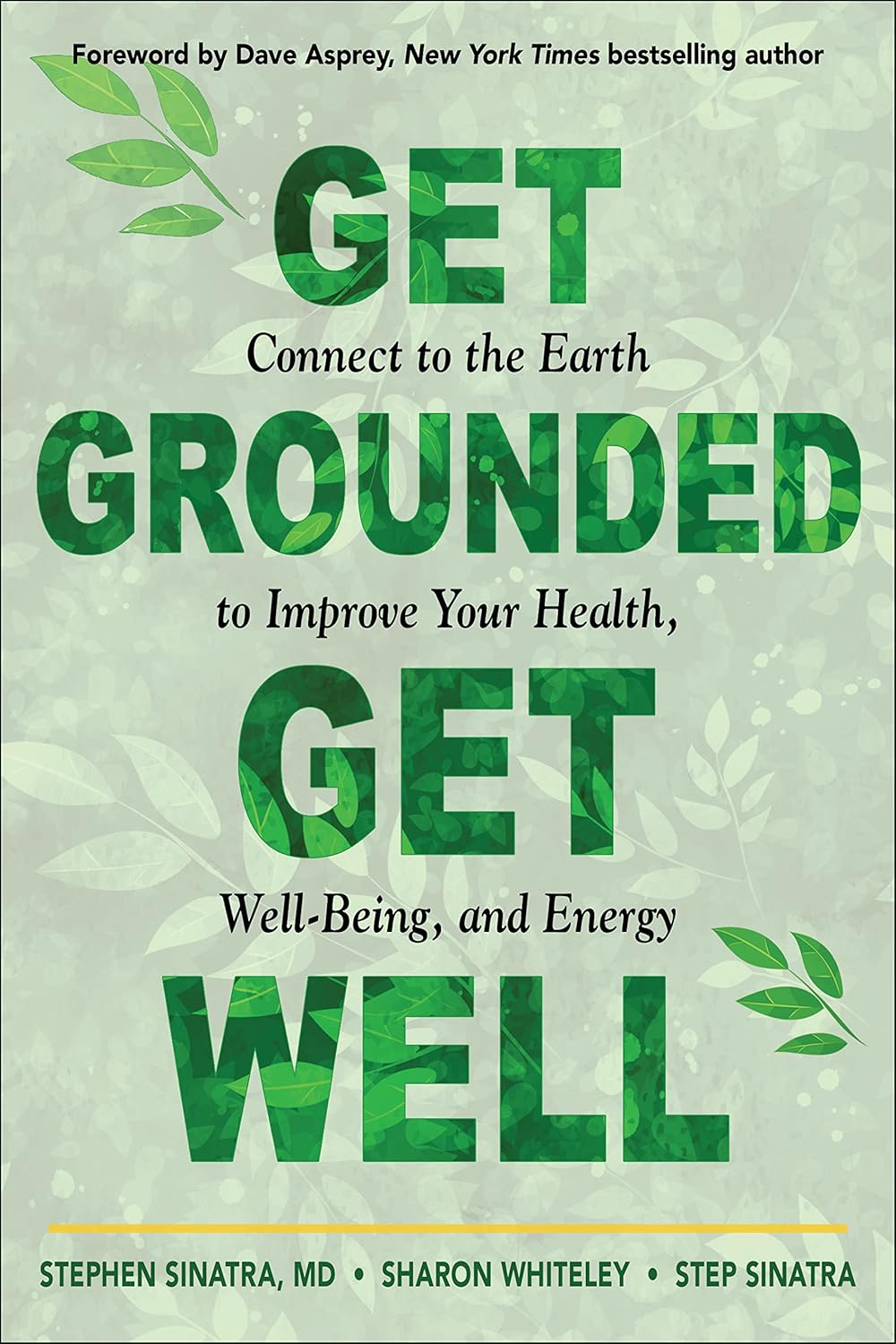
Get Grounded, Get Well presents grounding as a foundational, natural health practice rooted in humanity’s ancient connection to Earth’s energy. It documents the historical context, scientific evidence, and personal stories supporting grounding’s role in reducing inflammation, improving immune and cardiovascular function, enhancing sleep, and mitigating the harmful effects of modern environmental toxins and EMFs.
The book advocates grounding as a free, accessible, and effective complementary approach to counteract modern lifestyle-related chronic diseases, including cancer, heart disease, diabetes, and autoimmune conditions. It integrates grounding with nutrition, exercise, detoxification, stress management, and spiritual wellness to promote holistic health and longevity.
By reconnecting with the Earth’s electrons through barefoot walking, conductive footwear, grounding products, and nature immersion, readers can support their body’s bioelectrical balance, reduce oxidative stress, and enhance healing. The work honors Dr. Stephen T. Sinatra’s legacy as a pioneering integrative cardiologist and grounding researcher, offering a hopeful, practical guide for health restoration in the modern age.