Overview and Purpose
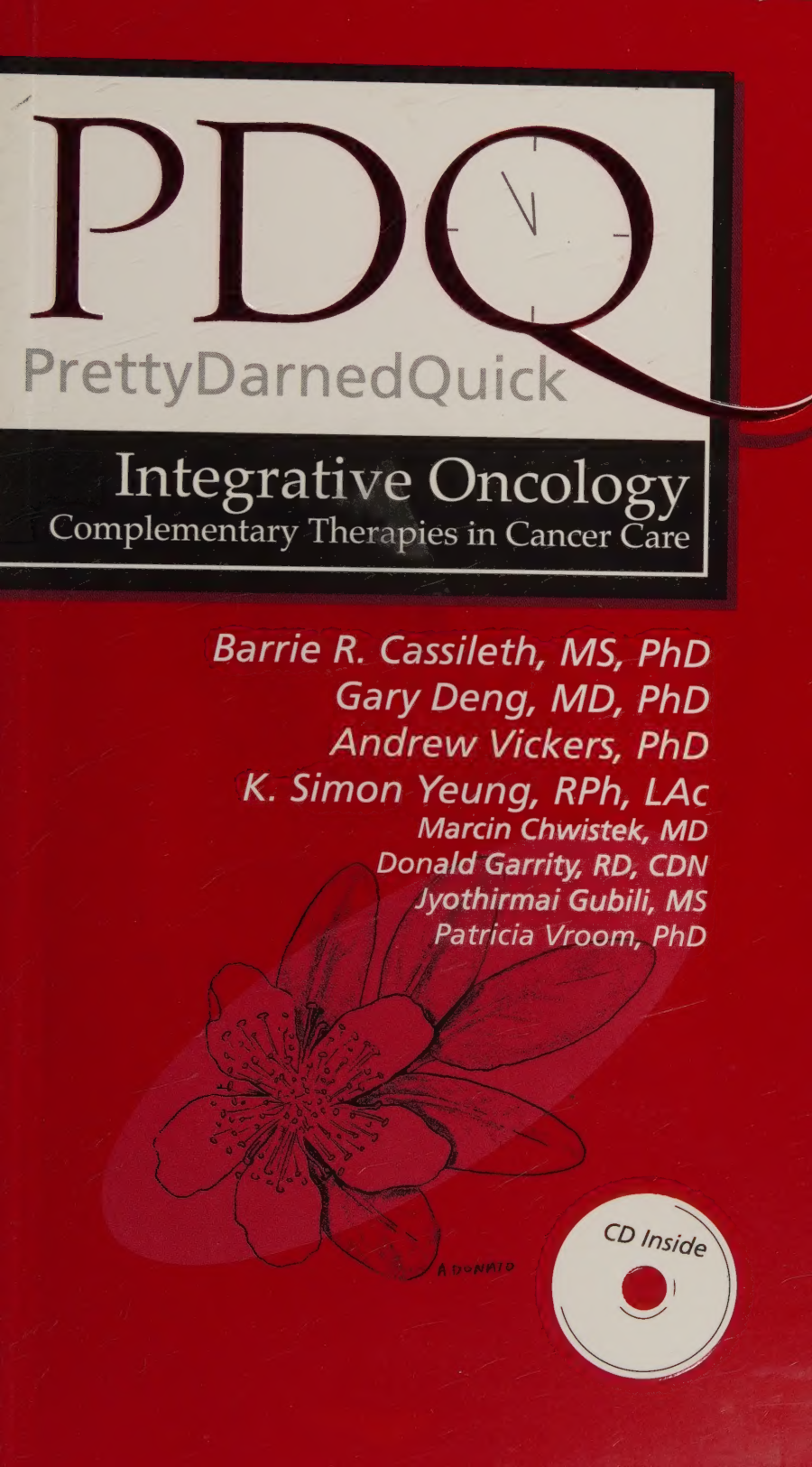
Integrative Oncology, part of the Weil Integrative Medicine Library and edited by Dr. Donald Abrams, Dr. Andrew Weil, and Lorenzo Cohen, is a comprehensive 848-page reference published in 2014. It offers an in-depth exploration of integrative medicine approaches tailored specifically to cancer care. The book aims to bridge conventional oncology with evidence-based complementary and alternative medicine (CAM), emphasizing whole-person care that addresses body, mind, spirit, and lifestyle. It is designed for healthcare providers, integrative oncologists, researchers, and clinicians seeking to safely and effectively combine standard cancer treatments with complementary therapies to improve patient outcomes, quality of life, and survivorship.
The text is grounded in rigorous scientific evaluation, acknowledging the widespread use of complementary therapies by up to 90% of cancer patients, often undisclosed to oncologists. It stresses the importance of open communication, safety, and evidence-based integration rather than replacement of conventional therapies. The book also addresses challenges in research methodology, herb-drug interactions, and clinical application, making it a valuable resource for multidisciplinary teams involved in cancer care.
Philosophy and Definition of Integrative Oncology
Integrative oncology is defined as the evidence-based integration of conventional cancer therapies with complementary interventions tailored to the whole person. Unlike alternative medicine, which may reject conventional treatments, integrative oncology supports and enhances standard care through modalities such as nutrition, botanicals, mind-body medicine, physical therapies, and spirituality. Core principles include supporting innate healing, treating the whole person, emphasizing lifestyle modification, and fostering a strong doctor-patient relationship. The approach favors less invasive, cost-effective treatments and adheres to the medical ethic of "do no harm."
The field is expanding, with academic centers and training programs such as the Arizona Center for Integrative Medicine (AzCIM) providing education in nutrition, botanicals, mind-body medicine, manual therapies, spirituality, environmental medicine, and traditional systems. Board certification in integrative medicine is forthcoming, reflecting growing professional recognition.
Integrative Oncology in Clinical Practice
Integrative oncologists play multifaceted roles including consultation on conventional treatments, designing integrative care plans incorporating diet and CAM, advising on safety and herb-drug interactions, managing side effects, supporting palliative care, and educating patients on prevention and survivorship. The book presents case examples illustrating how integrative approaches can improve treatment tolerance and holistic care, such as combining Chinese herbal medicine, nutritional guidance, and mind-body preparation alongside surgery and chemotherapy.
Part: An Integrated Approach to Reducing the Risk of Cancer (pp. 32–60)
This section discusses cancer prevention at primary (risk reduction), secondary (screening), and tertiary (survivorship) levels through integrative strategies. Conventional prevention includes lifestyle modifications (diet, exercise), chemoprevention drugs (e.g., tamoxifen, raloxifene, NSAIDs), prophylactic surgery, and vaccinations (HBV, HPV).
Complementary and integrative medicine (CIM) approaches include special diets such as Mediterranean and vegan, botanicals with antioxidant, anti-inflammatory, immune-modulating, hormone-modulating, and adaptogenic properties (e.g., curcumin, green tea, medicinal mushrooms, soy isoflavones). The evidence for vitamins and minerals is mixed, with some supplements (e.g., beta-carotene in smokers) potentially increasing cancer risk.
Behavioral mind-body therapies like meditation, yoga, and hypnosis may improve immune function and quality of life but lack strong evidence for cancer prevention. Traditional healing systems (TCM, Ayurveda, Tibetan, Native American) emphasize balance among body, mind, spirit, community, and environment.
The future vision includes integrated clinics offering personalized risk assessment and tailored interventions combining pharmaceuticals, natural compounds, diet, exercise, and mind-body therapies. Research needs focus on large trials with cancer incidence endpoints and biomarker studies. Interim recommendations emphasize healthy lifestyle, stress management, and holistic balance.
Part: Molecular Targets of Botanicals Used for Chemoprevention (pp. 73–75)
This section highlights the molecular mechanisms by which botanicals exert chemopreventive effects. Many anticancer drugs originate from natural products (e.g., vinca alkaloids, paclitaxel). Botanicals target multiple pathways including:
- Phase II enzyme induction (e.g., sulforaphane) to detoxify carcinogens
- Antioxidant activity countering reactive oxygen species
- Anti-inflammatory effects targeting COX-2, NF-κB, PLA2
- Aromatase inhibition reducing estrogen-dependent cancers
- Differentiation agents promoting cancer cell maturation
- Epigenetic modulation (e.g., HDAC inhibitors) affecting gene expression
Key botanicals include resveratrol, curcumin, ginger, flavonoids, isothiocyanates, green tea catechins, organosulfur compounds (garlic), and lycopene. Challenges include low bioavailability and lack of standardization. While FDA-approved chemopreventive drugs exist, limitations prompt continued research into botanicals.
Part: Research Methodology Challenges in Integrative Oncology (pp. 76–95)
Research in CAM and integrative oncology faces unique challenges. Conventional clinical trials often fail to capture the holistic benefits and individualized nature of CAM therapies. The book advocates for a phased research approach starting with qualitative studies, case histories, and cohort studies to understand treatment context and patient goals before conducting efficacy trials.
Safety research is limited but better established for acupuncture, which has known risks. Denial of conventional treatment in favor of CAM is associated with increased mortality risk. Whole Systems Research (WSR) is recommended to study complex, individualized CAM interventions with broad outcomes including survival and quality of life. Nonetheless, efficacy trials remain important for standardized CAM components.
Part: Diet and Cancer: Epidemiology and Risk Reduction (pp. 96–119)
This section reviews the epidemiology linking diet and cancer risk. Cancer is a multistage disease influenced by diet and bioactive food compounds (BAFC), primarily from plants. Authoritative guidelines (ACS, AICR/WCRF) recommend maintaining healthy weight, regular physical activity, and plant-based diets rich in fruits, vegetables, and whole grains while limiting red/processed meats and alcohol.
Epidemiological evidence on fruit and vegetable intake is mixed due to methodological issues, but synergistic effects of mixed plant foods are likely. Obesity increases risk for multiple cancers via hormonal, inflammatory, and metabolic pathways. Gut microbiota influences cancer risk; prebiotics and probiotics support beneficial flora. Nutrigenomics explores diet-gene interactions, and prenatal diet may affect future cancer risk.
Patient counseling should identify high-risk individuals, monitor body metrics, and support behavioral change. Numerous clinical trials investigate diet and supplements for cancer risk reduction.
Part: Nutritional Interventions in Cancer (pp. 120–160)
Nutrition is foundational in cancer care. Weight management is critical, with emphasis on avoiding weight gain post-diagnosis and preserving lean mass during weight loss. Plant-based diets rich in vegetables, fruits, and whole grains and low in red/processed meats are recommended. Safe protein sources include plant proteins, fish, egg whites, and soy foods, though supplement safety is inconclusive.
The internal biochemical environment or "cancer terrain"—including oxidation, inflammation, glycemia, coagulation, immunity, and stress—influences cancer progression. Dietary patterns rich in antioxidants and omega-3 fatty acids reduce oxidative stress and inflammation. Fish oil supplementation shows benefits in inflammation reduction and chemotherapy response. Glycemic control via low glycemic-load diets and metformin may improve outcomes. Low-carbohydrate and ketogenic diets are under investigation but require supervision.
Alternative cancer diets (macrobiotic, Gerson, Kelly, living foods) vary in safety and efficacy. Integrative nutritional assessment includes dietary intake, body composition, and biochemical profiling. Nutritional therapy is provided alongside conventional treatment to support overall care.
Part: Botanical and Mycological Medicine in Integrative Oncology (pp. 204–244)
Botanicals and medicinal mushrooms have antineoplastic and immunomodulatory effects, complementing chemotherapy. Key botanicals with evidence include garlic, curcumin, green tea, resveratrol, artemisinin, mistletoe, quercetin, astragalus, ashwagandha, bromelain, and medicinal mushrooms such as turkey tail, reishi, shiitake, and maitake.
Applications include chemoprevention, adjunctive therapy to reduce side effects, immunomodulation, and secondary prevention. Challenges include standardization, toxicity of isolated compounds, and herb-drug interactions. Clinical evidence supports mushroom polysaccharides (PSK, PSP) improving survival in gastrointestinal cancers. Curcumin and green tea catechins exhibit multiple anticancer mechanisms but have bioavailability limitations. Garlic compounds induce apoptosis and may reduce cancer risk. Bromelain has anti-inflammatory and immunomodulatory effects.
Safety considerations include potential interactions, especially with St. John’s wort. Botanicals may enhance chemotherapy efficacy or reduce toxicity but require careful integration and monitoring.
Part: Cannabinoids and Cancer (pp. 266–287)
Cannabinoids derived from Cannabis sativa activate CB1 and CB2 receptors affecting the central nervous system and immune cells. THC is approved for chemotherapy-induced nausea/vomiting and AIDS-related anorexia. Cannabinoids may relieve cancer pain, neuropathy, and improve appetite and mood.
Preclinical studies show cannabinoids inhibit tumor growth, angiogenesis, and metastasis selectively. Clinical evidence supports antiemetic and appetite-stimulating effects; analgesic effects are promising but require further study. Cannabinoids have a favorable safety profile with psychoactive side effects and low dependence potential. No conclusive evidence links cannabis to increased cancer risk; some studies suggest protective effects. Further research is needed on cannabinoids as direct anticancer agents and for symptom management.
Part: Botanical-Drug Interactions in Oncology
Herb-drug interactions are a significant concern in oncology due to the narrow therapeutic windows of chemotherapy agents. Many cancer patients use botanicals concurrently with conventional therapies, often without disclosure. Key botanicals implicated include St. John’s wort, garlic, ginseng, and milk thistle.
Pharmacokinetic interactions primarily involve cytochrome P450 (CYP) enzymes and ATP-binding cassette (ABC) transporters that affect drug metabolism and transport. CYP3A4 metabolizes over 35% of oncology drugs; induction reduces drug plasma levels risking treatment failure, while inhibition increases toxicity. St. John’s wort strongly induces multiple CYPs and ABCB1 transporter, reducing plasma levels of drugs like irinotecan, imatinib, and docetaxel. Garlic and milk thistle show weaker or inconsistent clinical effects.
Botanicals may also induce tumor drug resistance by upregulating metabolizing enzymes and transporters or inhibiting topoisomerase IIα. Physicians should routinely inquire about botanical use, educate patients on risks, and avoid botanicals like Ephedra, St. John’s wort, and Kava-kava during chemotherapy. More clinical research is needed to develop safe integration guidelines.
Part: The Antioxidant Debate
Antioxidant supplements are commonly used by cancer patients to reduce treatment side effects and improve outcomes, but controversy exists because some chemotherapy and radiation therapies rely on reactive oxygen species (ROS) for anticancer effects. Antioxidants may interfere with these mechanisms, with effects varying by agent.
Vitamin C, melatonin, coenzyme Q10, and antioxidant mixtures have been studied. Intravenous vitamin C achieves higher plasma levels than oral and shows tolerability with some efficacy signals in early trials. Melatonin exhibits antioxidant, pro-apoptotic, and anti-inflammatory effects, with small trials suggesting improved survival and symptom control. Antioxidant mixtures generally show no survival benefit and sometimes harm.
Antioxidants may protect normal tissues from oxidative damage (e.g., cardiotoxicity) and reduce chemotherapy toxicities like neuropathy and mucositis, but evidence is mixed. Large trials indicate vitamin E and β-carotene during radiation may increase mortality, especially in smokers. Genetic polymorphisms influence antioxidant effects and toxicity.
Clinical recommendations advise avoiding β-carotene and vitamin E during radiation, caution with antioxidants during oxidative stress-inducing chemotherapy, and limiting supplementation above nutritional levels until safety is established. Further large, rigorous trials are needed.
Part: Physical Activity and Cancer
Physical activity reduces risk for colon cancer (convincing evidence) and female hormone-related cancers (probable evidence), partly via weight control and independent mechanisms involving metabolic hormones, immune function, antioxidant defense, and DNA repair. Post-diagnosis exercise improves survival in breast and colorectal cancers and benefits physical function, fatigue, and quality of life.
Exercise interventions include aerobic, resistance, and flexibility training, tailored to individual capacity and treatment status. Guidelines recommend 30–60 minutes of moderate to vigorous activity most days, with prescreening and safety precautions. Exercise is feasible even in advanced cancer, improving functional status and symptom management.
Contraindications include severe cytopenias, active infections, bone metastases, and treatment days. Resistance training is safe for breast cancer survivors with or at risk for lymphedema. Physical inactivity leads to deconditioning and increased cardiovascular risk.
Part: Massage Therapy
Massage therapy is widely used by cancer patients for symptom relief and psychological support. It involves manipulation of soft tissues through various techniques and is generally safe with precautions such as avoiding deep pressure in patients with coagulation disorders, bone metastases, or open wounds.
Evidence shows massage reduces anxiety, improves sleep, mood, and short-term pain relief. Large trials demonstrate safety and superiority over nonmoving touch for pain control in advanced cancer. Manual lymphatic drainage is used for lymphedema with mixed but generally positive evidence.
Qualified therapists should have appropriate training, licensure, oncology-specific education, and communicate with healthcare providers. Massage should complement, not replace, conventional care. Cost and access may be barriers; caregiver-delivered massage is an emerging area.
Part: Mind–Body Medicine in Integrative Cancer Care
Mind–body therapies—including relaxation, guided imagery, meditation, hypnosis, biofeedback, and social support—reduce anxiety, depression, pain, treatment side effects, and improve quality of life in cancer patients. Psychosocial interventions also support caregivers.
Evidence supports improved psychological adjustment, symptom management, immune function enhancement, and possibly survival, though survival benefits remain inconclusive. Mindfulness-based stress reduction and cognitive-behavioral therapies are effective.
Mind–body approaches are low risk and should be integrated into standard oncology care. Providers should use authentic communication, presence, and therapeutic touch. Caution is advised in patients with psychosis or dissociative disorders.
Part: Music and Expressive Arts Therapies
Expressive arts therapies—including art, dance/movement, drama, music therapy, poetry, and expressive writing—offer psychological, physiological, and spiritual benefits in cancer care. Music therapy reduces anxiety, pain, and improves mood and quality of life; expressive writing improves depression and physical health.
Research is limited by heterogeneity and small sample sizes, but qualitative studies report transformational experiences. Credentialed professionals deliver these therapies, which are safe and can be individual or group-based.
Part: Energy Medicine and Cancer
Energy medicine encompasses therapies aiming to restore body energy fields, including Reiki, Healing Touch, Qigong, therapeutic touch, and electromagnetic field therapies. Preclinical studies show mixed effects on cancer cell growth and immune modulation; some report apoptosis induction and tumor growth inhibition in vitro.
Clinical trials suggest benefits in mood, fatigue, immune function, and quality of life, but methodological limitations and small samples restrict conclusions. Patient beliefs and expectancy influence outcomes.
Research challenges include defining dose, practitioner variability, timing relative to conventional therapy, and placebo effects. Future studies should focus on rigorous design, objective outcomes, and mechanisms.
Part: The Role of Spirituality
Spirituality, distinct from religiosity, involves meaning, purpose, and connectedness, playing a vital role in cancer patient well-being. Spiritual distress is common and correlates with poorer quality of life. Most patients desire spiritual care, but providers often feel unprepared.
Spiritual assessment tools include FICA, HOPE, and FACIT-Sp. Interventions involve provider presence, authentic listening, prayer, meditation, music, art, and counseling. Spiritual care supports patients and caregivers, enhancing coping and meaning.
Providers should respect beliefs, avoid imposing views, and integrate spirituality into holistic care. Evidence links spirituality mainly to quality of life improvements rather than survival.
Chapter 17: Naturopathic Oncology
Naturopathic oncology integrates natural therapies with conventional care, emphasizing the healing power of nature, treating the whole person, and prevention. Naturopathic doctors use nutrition, botanicals, lifestyle counseling, and physical therapies to reduce inflammation, support immunity, correct metabolic imbalances, and manage stress.
Board-certified naturopathic oncologists complement conventional treatments by mitigating side effects and enhancing efficacy. Assessment includes biomarkers of inflammation and immune status. Therapies include melatonin, glutathione, Curcuma longa, Trametes versicolor, hyperthermia, and low-dose naltrexone.
Chapter 18: Traditional and Modern Chinese Medicine (TCM)
TCM views cancer as systemic imbalance between genuine Qi (immunity) and pathogenic factors. Treatment aims to strengthen resistance and eliminate pathogens ("Fuzheng Quxie"). Integration with Western medicine improves immunity, reduces toxicity, reverses drug resistance, and enhances therapy.
Chinese herbal medicines and formulas improve survival, reduce side effects, and support recovery in gastric, lung, breast, and nasopharyngeal cancers. CM herbs mitigate chemotherapy-induced bone marrow suppression and gastrointestinal toxicity. TCM reverses multidrug resistance via modulation of drug transporters and gene expression. Radiotherapy combined with CM reduces mucositis, pneumonitis, fibrosis, and improves immune function.
CM emphasizes cancer prevention, treating precancerous lesions with herbal formulas like Liuwei dihuang Pill and Huazhuo Jiedu Recipe. Approved herbal anticancer agents include arsenic trioxide, camptothecin, taxol, and vinblastine. CM herbs inhibit metastasis by suppressing matrix metalloproteinases and improving blood rheology to prevent cancer emboli formation. Pain management includes herbal capsules with superior efficacy to NSAIDs. Acupuncture effectively manages nausea, vomiting, pain, and other symptoms.
Integrative Chinese and Western Oncology (ICWO) treats cancer as a chronic manageable disease, focusing on survival with quality of life rather than eradication. Overly aggressive conventional treatment may harm immunity and increase recurrence.
Part: Anthroposophic Medicine and Mistletoe Therapy
Anthroposophic Medicine (AM) integrates physical, emotional, and spiritual care, improving quality of life and coping in cancer patients. Mistletoe extract (Viscum album) is a widely used complementary therapy in Central Europe.
Mistletoe contains lectins and viscotoxins inducing apoptosis and necrosis, with immunomodulatory effects activating monocytes, NK cells, and cytokines. Administration routes and doses are individualized. Clinical studies include randomized and nonrandomized trials across multiple cancers. About half show survival benefits; quality of life improvements are consistently reported, especially in fatigue, sleep, and emotional well-being. Side effect reduction is noted, though results vary.
Mistletoe therapy is generally safe and used alone or with chemotherapy, radiation, or hormone therapy. Further high-quality trials are needed to confirm efficacy and optimize protocols.
Integrative Medicine in Breast Cancer (pp. 591–606)
Breast cancer remains incurable in advanced stages despite conventional treatments. Psychological and spiritual impacts prompt interest in integrative modalities addressing these dimensions. Integrative medicine aims for individualized therapy, paralleling traditional approaches. CAM use is common (~50-62%), motivated by concerns about therapy harms and emotional distress.
Evidence mainly from observational studies; few randomized controlled trials show symptom management benefits (e.g., acupuncture for nausea) but no clear cancer endpoint improvements. Exercise reduces breast cancer risk and improves survival; dietary impact is less clear but low-fat, high fruit/vegetable diets may help. Dietary bioactives (cruciferous vegetables, turmeric, soy isoflavones, green tea) show potential but lack definitive evidence. Vitamin supplementation results are mixed; high-dose antioxidants during therapy are controversial.
Phytoestrogens like soy may reduce recurrence; immunostimulants (mushrooms, mistletoe) show immune benefits but no survival advantage. Acupuncture and body therapies aid symptom relief; Oriental medicine herbs have preclinical activity but limited clinical data and safety concerns. Mind–body therapies improve mood and quality of life but not survival. Ineffective alternatives include shark cartilage and laetrile. Recommendations emphasize diet, exercise, symptom management, caution with supplements, and avoidance of unproven therapies. Improved research and multidisciplinary collaboration are needed.
Prostate Cancer: An Integrative Approach (pp. 620–634)
Prostate cancer is common and often indolent; risk factors include age, race, family history, diet, and lifestyle. Active surveillance is standard for low-risk disease; lifestyle changes are advised. Diet impacts risk: high intake of processed meats and saturated fats increases risk; cruciferous vegetables, soy isoflavones, lycopene, green tea, pomegranate, and flaxseed show protective effects. Vitamin D deficiency is common; supplementation may inhibit cancer growth. Vitamin E and selenium lack preventive benefit; fish oil may reduce incidence.
Herbal blends like Zyflamend® and ginger root have anti-inflammatory properties. Obesity increases risk and mortality; exercise reduces prevalence and improves quality of life. Integrative approaches combining diet, supplements, exercise, and mind-body therapies are advocated, though evidence varies.
Integrative Medicine in Colorectal Cancer: Role of Energy Balance as Treatment (pp. 644–655)
Colorectal cancer risk and outcomes are influenced by diet and lifestyle. Risk factors include obesity, red meat, Western diet, alcohol, and smoking; protective factors include physical activity, vitamin D, calcium, estrogen, and NSAIDs. Physical activity reduces risk and improves survival; obesity modestly worsens outcomes. Western dietary patterns worsen prognosis; high glycemic load increases recurrence risk. Vitamin D levels correlate with reduced risk and improved survival.
Mechanisms involve insulin and IGF pathways promoting tumor growth; lifestyle modulates these pathways. Evidence supports recommending exercise and dietary modifications alongside standard therapy, though randomized trials are needed.
Integrative Medicine in Lung Cancer (pp. 661–678)
Lung cancer has poor prognosis; integrative medicine use is common to reduce side effects and improve quality of life. Key areas include nutrition, supplements, exercise, complementary therapies, and mind–body interventions. Fruits and nonstarchy vegetables reduce risk; carotenoid-rich foods are protective, but beta-carotene supplements increase risk in smokers. Selenium supplements are not recommended. Vitamin D may improve survival; green tea, fish oil, turkey tail mushroom, Panax ginseng, melatonin, and Astragalus membranaceus show potential benefits.
Exercise improves fitness and quality of life. Acupuncture alleviates nausea, pain, and neuropathy. Homeopathy’s efficacy is unclear. Cautions include potential harmful supplements and drug interactions. Open patient-provider communication is essential.
Integrative Therapies in Cancer-Symptom Management
Integrative oncology addresses mind, body, and spirit to improve symptom control and quality of life. Psychological distress is common; mind–body therapies and supplements (e.g., St. John’s Wort, melatonin) help mood and sleep. Fatigue benefits from exercise, cognitive-behavioral therapy, acupuncture, and supplements. Pain and neuropathy respond to massage, acupuncture, hypnosis, cannabinoids, and topical agents. Chemotherapy-induced neuropathy may be mitigated by antioxidants and other agents. Cachexia management includes appetite stimulants, nutrition, exercise, and anti-inflammatory supplements. Safety and open communication about supplement use are critical.
Alternative Therapies as Primary Treatments for Cancer (pp. 714–722 and 742–756)
Alternative therapies used as substitutes for conventional cancer treatments lack credible evidence and may harm by delaying effective care. Patients often turn to alternatives due to fear, desperation, or dissatisfaction with conventional medicine. Communication gaps and misinformation contribute to abandonment of proven therapies.
Scientific evaluation is possible but limited by methodological challenges. Retrospective studies show worse outcomes with alternative-only treatments. Healthcare providers should inquire about alternative use and provide evidence-based guidance. Many alternative therapies (macrobiotic diet, Gerson diet, laetrile, shark cartilage, Essiac, PC-SPES) are ineffective or harmful.
Immunoaugmentative therapies like Lawrence Burton’s IAT lack scientific support and have been discredited. Concepts of immune “blocking factors” underpin some alternative approaches but modern immunotherapies (e.g., ipilimumab) harness immune checkpoints effectively. Scientific evaluation requires rigorous clinical trials beyond anecdotal reports. Many alternative therapies lack proof of efficacy and may cause harm. Emerging immunotherapies and botanical polysaccharides show promise. Safety concerns include toxicity and interference with conventional treatments. Future directions emphasize personalized medicine, tumor microenvironment, and integrative immunotherapy.
Chapter 27: Communication Issues in Integrative Oncology (pp. 763–777)
Effective communication is essential in integrative oncology, where many patients use complementary therapies but often do not disclose this to oncologists due to fear or lack of inquiry. Integrative oncologists facilitate safe incorporation of complementary therapies, considering potential herb-drug interactions and antioxidant effects on chemotherapy and radiation.
Conservative advice often recommends avoiding certain supplements during active treatment. Open, nonjudgmental dialogue improves patient trust and safety. Resources and training are essential for providers to navigate integrative care effectively.
Chapter 28: Tending the Spirit in Cancer (pp. 778–783)
Cancer often triggers spiritual reflection and growth, affecting patients’ values and life perspectives beyond formal religion. Spirituality arises through illness, loss, and suffering, offering meaning and healing. Healthcare providers contribute through presence, compassionate listening, and ordinary acts of care without needing formal spiritual training.
Recognizing and nurturing spiritual needs enhances quality of life and supports holistic healing during cancer treatment.
Part: A Patient’s Perspective (pp. 786–801)
Manuchehr Shirmohamadi recounts his colorectal cancer journey, highlighting initial shock, treatment side effects, and eventual recurrence. Early chemotherapy caused severe physical and psychological distress, leading to treatment discontinuation. Upon recurrence, he adopted a proactive integrative approach combining conventional therapies (chemotherapy, radiation) with complementary modalities (herbal medicine, acupuncture, meditation, medicinal cannabis).
Integrative support improved symptom management and emotional well-being. He emphasizes the mind’s healing power, critiques conventional medicine’s neglect of nutrition and individualized care, and advocates for patient empowerment, multiple opinions, and personalized integrative plans. His “Avoid/Acquire” lifestyle table advises avoiding stress, processed foods, and negativity, while acquiring positivity, healthy diet, exercise, and social support. He calls for humane, integrative cancer care balancing medical and complementary therapies to improve outcomes and quality of life.
Summary
Integrative Oncology is a landmark text that thoroughly examines the integration of conventional cancer treatments with evidence-based complementary therapies. It covers foundational principles, prevention strategies, molecular mechanisms of botanicals, research challenges, nutrition, mind-body medicine, physical therapies, spirituality, and detailed integrative approaches for major cancers including breast, prostate, colorectal, and lung. The book addresses safety concerns such as herb-drug interactions and antioxidant use, emphasizing patient-centered communication and multidisciplinary collaboration.
Its strengths lie in the breadth and depth of coverage, scientific rigor, and practical clinical guidance. Limitations include the evolving nature of evidence in many CAM areas and the need for further high-quality research. This book is an invaluable resource for clinicians, researchers, and integrative oncology teams seeking to optimize cancer care through holistic, personalized, and safe integrative approaches.