2020
Book
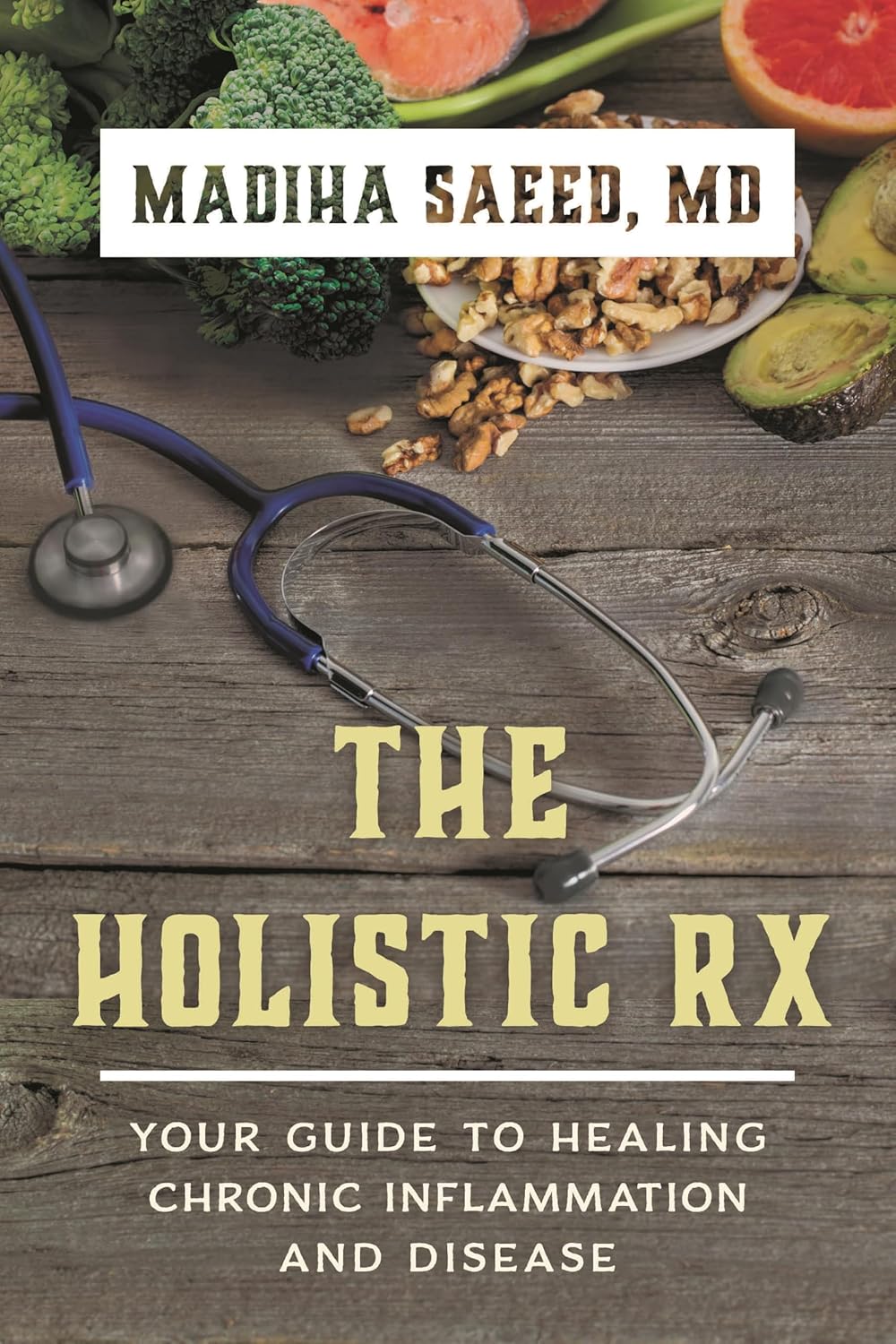
The Holistic Rx
Your Guide to Healing Chronic Inflammation and Disease
PublisherRowman & Littlefield
Pub Year2020
Page Count438
ISBN978-1538144008
Amazon
Description
Introduction and Book Overview
The Holistic Rx: Your Guide to Healing Chronic Inflammation and Disease by Dr. Madiha Saeed, MD, is a comprehensive integrative medicine resource focused on addressing the root causes of chronic inflammation, a fundamental driver of many chronic illnesses including autoimmune diseases, cardiovascular conditions, metabolic syndrome, and cancer. The book is structured in two main parts: Part I: The Foundations of Good Health and Part II: Remedies for Holistic Healing. It aims to empower readers—patients, caregivers, and healthcare practitioners alike—to regain control over their health through evidence-based, accessible lifestyle changes and integrative therapies.
Dr. Saeed’s approach is informed by her personal journey from chronic illness to healing, as well as her professional expertise as a board-certified integrative holistic family physician with credentials in clinical homeopathy and integrative medicine. The book emphasizes a holistic framework that addresses physical, mental, emotional, social, and spiritual health, recognizing the interconnectedness of these domains in healing chronic disease.
Part I: The Foundations of Good Health
This section lays the groundwork for understanding chronic inflammation and its pervasive role in disease. It highlights the importance of gut health, detoxification, nutrition, lifestyle factors, and psychosocial elements as pillars of holistic healing.
Understanding Chronic Inflammation
Dr. Saeed describes inflammation as a “silent fire” underlying most chronic illnesses. While acute inflammation is a protective, short-term response, chronic inflammation is persistent and damaging, triggered by factors such as poor diet, stress, environmental toxins, infections, and microbiome imbalances. Symptoms are diverse, ranging from fatigue and body aches to mood disorders and digestive issues. The book discusses epigenetics and how gene expression is influenced by lifestyle and environmental exposures, underscoring the potential for healing through targeted interventions.
Digestive Health and Detoxification
The gut is presented as the central interface between the external environment and internal health, housing the majority of the immune system and producing key neurotransmitters. The concept of dysbiosis and leaky gut syndrome is explored in depth, explaining how intestinal permeability allows toxins and pathogens to enter the bloodstream, fueling systemic inflammation and chronic disease.
Dr. Saeed outlines a comprehensive “Gut Rx” protocol emphasizing:
- Elimination of inflammatory foods such as gluten-containing grains, dairy, sugar, alcohol, processed foods, and artificial sweeteners.
- Eradication of infections (candida, parasites, SIBO) using herbal antimicrobials.
- Replenishment with nutrient-dense, anti-inflammatory foods including nonstarchy vegetables, grass-fed proteins, healthy fats, and bone broth.
- Repair of the gut lining with supplements like L-glutamine, omega-3 fatty acids, zinc, and vitamins.
- Repopulation of the microbiome with diverse probiotics and prebiotic-rich foods.
- Lifestyle rebalancing to increase microbial diversity through outdoor activities and stress management.
The section also discusses various gut-healing diets (GAPS, Specific Carbohydrate, Paleo, Autoimmune Protocol) and the importance of gradual food reintroduction with symptom monitoring.
Nutrition and Anti-Inflammatory Food Lifestyle
Nutrition is emphasized as a cornerstone of healing. The book advocates for a diet rich in colorful vegetables, clean proteins (grass-fed meats, wild-caught fish, plant proteins), and healthy fats (coconut oil, olive oil, avocado, nuts). It challenges outdated fat myths, highlighting the anti-inflammatory and metabolic benefits of saturated and monounsaturated fats when balanced with low refined carbohydrates and adequate omega-3 intake.
Key nutritional principles include:
- Hydration with filtered water and bone broth.
- Low-glycemic fruits consumed in moderation.
- High fiber intake (25–30 grams daily) from diverse plant sources.
- Avoidance of sugar, artificial sweeteners, processed foods, GMOs, and inflammatory additives.
- Use of herbs and spices with antioxidant and anti-inflammatory properties such as turmeric, garlic, cinnamon, and ginger.
- Preference for organic foods to reduce pesticide and toxin exposure.
The book also addresses special populations such as vegans, pregnant and breastfeeding women, and children, providing tailored dietary guidance and supplementation recommendations.
Detoxification and Environmental Toxin Reduction
Dr. Saeed discusses the pervasive impact of environmental toxins—including heavy metals, endocrine disruptors (BPA, phthalates), pesticides, and household chemicals—on inflammation and chronic disease risk. The liver’s role as the primary detox organ is emphasized, along with strategies to support detoxification:
- Hydration, sweating (sauna, exercise), and lymphatic massage.
- Diet rich in alkaline, sulfur-containing, and high-fiber foods.
- Supplementation to boost glutathione production and heavy metal chelation (e.g., spirulina, chlorella, N-acetyl cysteine).
- Reduction of toxin exposure by choosing natural personal care and household products, water purification, and holistic dental care.
- Addressing mold exposure and electromagnetic pollution.
Detoxification is framed as a holistic process requiring gut and adrenal health optimization before aggressive interventions.
The Four Big S’s: Stress, Sleep, Social Health, and Spirituality
This section highlights psychosocial and spiritual dimensions as foundational to health:
- Stress: Chronic stress disrupts hormonal balance, immune function, and gut integrity, contributing to inflammation and disease. Stress management techniques include breathing exercises, adaptogenic herbs, and professional support when needed.
- Sleep: Adequate restorative sleep is critical for detoxification, hormone regulation, and immune resilience. Sleep hygiene practices and management of shift work or jet lag are discussed.
- Social Health: Positive social connections release hormones that reduce cortisol and inflammation, enhancing immune function and healing. Strategies to build supportive relationships and community involvement are encouraged.
- Spirituality: Practices such as meditation, gratitude, forgiveness, and mindfulness foster emotional regulation, reduce inflammation, and improve gene expression related to health. The book underscores the neuroprotective and psychological benefits of spiritual engagement.
Exercise and other relaxation modalities (hypnosis, biofeedback, art therapy) are also presented as adjuncts to reduce inflammation and support holistic wellness.
Motivation and Implementation
Recognizing the challenges of lifestyle change, Dr. Saeed offers practical advice on cultivating a healthy mindset, setting realistic goals, managing cravings, and building support systems. Emphasis is placed on gradual progress, self-compassion, and celebrating non-food rewards to sustain motivation.
Part II: Remedies for Holistic Healing
This section provides condition-specific integrative approaches, laboratory assessments, and a broad spectrum of complementary therapies to support healing across various chronic diseases.
Personalization and Laboratory Testing
Dr. Saeed advocates for personalized care guided by laboratory biomarkers such as CBC, metabolic panels, thyroid function, vitamin and mineral levels, inflammatory markers, and insulin resistance indices. Interventions are tailored accordingly, including supplementation and dietary adjustments.
Integrative Modalities
The book details numerous complementary therapies, emphasizing safety and individualized application:
- Supplements: Vitamins (D, K2, C, B complex), minerals (magnesium, zinc), omega-3 fatty acids, and botanicals with anti-inflammatory and immune-modulating properties.
- Botanical and Herbal Medicine: Used cautiously with attention to interactions and contraindications, especially in pregnancy.
- Homeopathy: Symptomatic and constitutional remedies with minimal side effects, supporting chronic and acute conditions.
- Traditional Chinese Medicine (TCM): Acupuncture and acupressure techniques for symptom relief, immune support, and detoxification.
- Aromatherapy: Essential oils for physical, mental, and spiritual benefits, with cautions regarding photosensitivity and hormone-sensitive conditions.
- Bodywork: Chiropractic care, osteopathic manipulative medicine, massage, reflexology, craniosacral therapy, hydrotherapy, and Ayurvedic medicine as adjuncts to promote structural and energetic balance.
- Energy Medicine and Biofeedback: Techniques such as Reiki, therapeutic touch, and neurofeedback to modulate energy flow and reduce stress.
Condition-Specific Protocols
The book addresses a wide range of chronic conditions with integrative strategies, including but not limited to:
- Autoimmune Diseases: Emphasis on gut healing, infection control, nutrient repletion, stress management, and immune modulation (e.g., low-dose naltrexone).
- Thyroid Disorders: Nutritional support, herbal remedies, homeopathy, and acupressure tailored to Graves’ disease and Hashimoto’s thyroiditis.
- Cardiovascular Health: Nutritional interventions, homeopathic remedies, acupressure points, and aromatherapy oils to support vascular function and reduce inflammation.
- Digestive Disorders: Protocols for IBD, IBS, peptic ulcers, SIBO, and parasitic infections using diet, supplements, homeopathy, and TCM techniques.
- Endocrinology and Metabolic Syndrome: Strategies to improve insulin sensitivity, support adrenal function, and manage diabetes with lifestyle, supplements, and herbs.
- Neurological and Psychiatric Conditions: Integrative approaches for ADHD, anxiety, depression, bipolar disorder, and schizophrenia, including nutritional, botanical, homeopathic, and mind-body therapies.
- Urology and Prostate Health: Anti-inflammatory nutrition, supplements, homeopathy, acupressure, and aromatherapy for BPH, prostatitis, erectile dysfunction, and urinary incontinence.
- Dermatology: Skin health linked to gut and immune balance, with natural skincare, supplements, and homeopathic remedies for acne, eczema, and hair loss.
- Oncology: Supportive care focusing on inflammation reduction, immune enhancement, stress management, and nutritional protocols alongside conventional treatments.
- Pediatrics and Autism Spectrum Disorders: Nutritional optimization, toxin reduction, behavioral support, and integrative therapies tailored for children’s unique needs.
- Sleep Disorders and Eating Disorders: Multifaceted approaches including supplements, homeopathy, acupressure, and behavioral strategies.
Practical Tools and Lifestyle Recommendations
The book provides detailed guidance on meal planning, recipes, hydration, supplementation, and detoxification protocols. It encourages building a wellness team comprising open-minded physicians, nutritionists, psychotherapists, and complementary practitioners to support individualized care.
Author Background and Credentials
Dr. Madiha Saeed is a board-certified integrative holistic family physician with a diploma in clinical homeopathy and certification from the American Board of Integrative Holistic Medicine. She has been recognized for teaching excellence and is active nationally as an educator and speaker. Her clinical and academic experience lends credibility and depth to the book’s integrative approach.
Strengths and Utility in Cancer-Options Context
The Holistic Rx offers a thorough, evidence-informed framework for addressing chronic inflammation and its role in disease, including cancer. Its emphasis on gut health, detoxification, nutrition, stress management, and integrative therapies aligns well with supportive care principles in oncology. The book’s detailed protocols for immune support, inflammation reduction, and symptom management may be valuable adjuncts to conventional cancer treatment and survivorship care.
Its comprehensive scope, practical guidance, and inclusion of mind-body-spirit dimensions make it a useful resource for patients seeking holistic options and for clinicians integrating complementary approaches.
Limitations and Cautions
While the book provides extensive integrative recommendations, it does not replace conventional medical diagnosis or treatment. Some therapies, particularly herbal and homeopathic remedies, require professional supervision to avoid interactions and contraindications. The author advises consulting healthcare professionals before implementing protocols, especially for complex or acute conditions.
The book’s broad scope may be overwhelming for some readers; gradual implementation and personalized guidance are emphasized.
Summary
The Holistic Rx by Dr. Madiha Saeed is a detailed, integrative guide to understanding and healing chronic inflammation and disease through lifestyle, nutrition, detoxification, mind-body practices, and complementary therapies. It bridges foundational health principles with condition-specific remedies, emphasizing personalization and holistic care. Its comprehensive approach supports cancer patients and others with chronic illness in addressing root causes, improving quality of life, and fostering resilience.