Overview and Scope
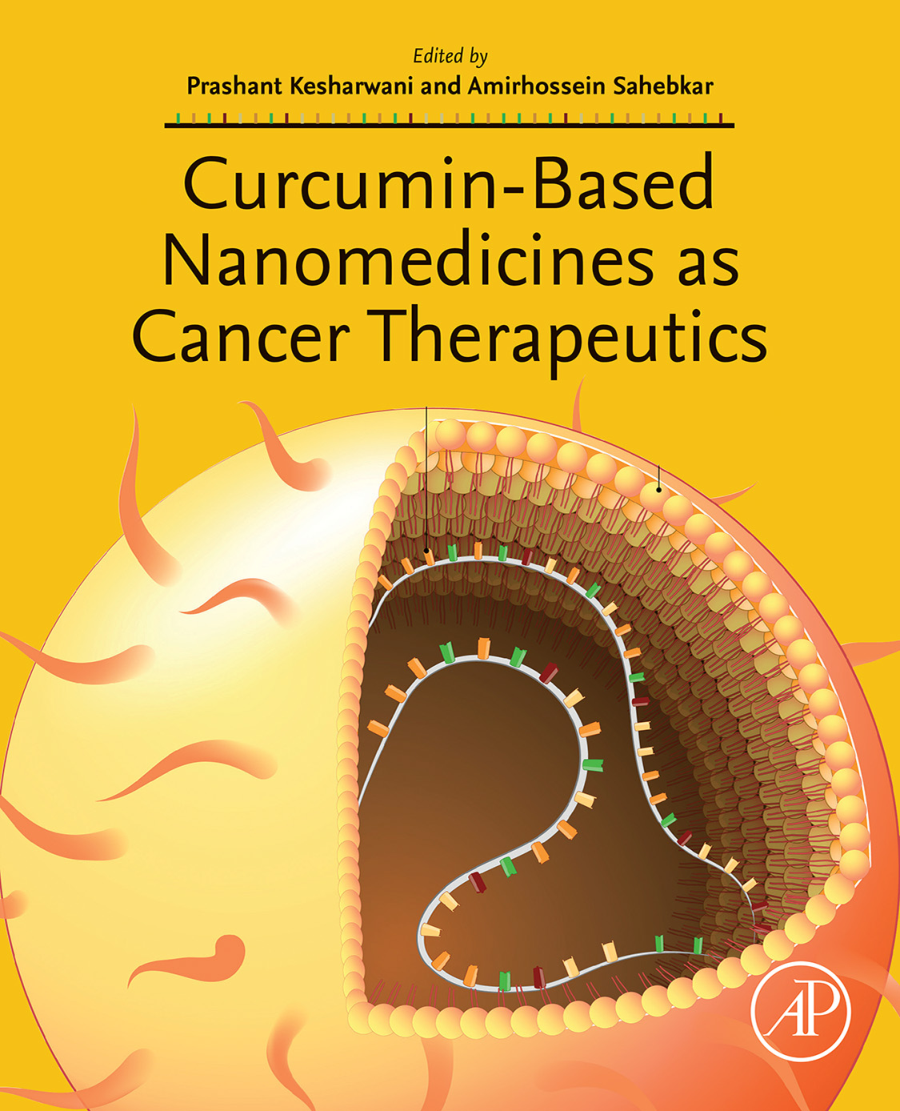
Curcumin-Based Nanomedicines as Cancer Therapeutics (2024), authored by Amirhossein Sahebkar and Prashant Kesharwani, is a comprehensive and detailed reference work exploring the multifaceted role of curcumin in cancer treatment, with a particular focus on advanced nanomedicine delivery systems. Spanning 490 pages, the book synthesizes extensive preclinical research and emerging technologies aimed at overcoming curcumin’s inherent limitations—primarily its poor solubility, low bioavailability, and rapid metabolism—to harness its broad-spectrum anticancer potential.
The book is structured primarily by chapters that systematically cover curcumin’s chemical and biological properties, molecular mechanisms of anticancer action, and a wide array of nanotechnology-based delivery platforms designed to enhance therapeutic efficacy. It is intended for researchers, clinicians, pharmaceutical scientists, and advanced students interested in natural product pharmacology, nanomedicine, and oncology therapeutics.
Part A: Curcumin – Introduction, Structure, and Physicochemical Attributes
This opening section lays the foundational knowledge about curcumin, the principal bioactive compound derived from turmeric (Curcuma longa), a plant with a 5000-year history in traditional medicine. The authors detail curcumin’s chemical composition, highlighting its primary curcuminoids—curcumin I, demethoxycurcumin, and bisdemethoxycurcumin—and its characteristic chemical groups such as the 1,3-diketone and phenolic moieties.
Curcumin’s diverse pharmacological profile is extensively reviewed, including anti-inflammatory, antioxidant, cardiovascular, antidiabetic, neuroprotective, hepatoprotective, antimicrobial, and notably anticancer activities. The text emphasizes curcumin’s pleiotropic effects mediated through modulation of cytokines, transcription factors (e.g., NF-κB), enzymes (COX-2, iNOS), and signaling pathways.
Despite its safety at high oral doses (up to 8–12 g/day), curcumin’s clinical translation is hampered by poor water solubility and bioavailability, necessitating novel delivery strategies. The authors introduce nanomedicine as a promising approach to enhance curcumin’s therapeutic index.
Curcumin as a Pharmaceutical Leader
The book traces curcumin’s isolation history and its designation as a “golden molecule” due to its wide-ranging biological effects. Clinical trials affirm its safety at doses up to 6–7 g/day, including formulations with improved bioavailability.
Curcumin’s therapeutic potential spans multiple diseases:
- Neurological disorders: Crosses the blood-brain barrier; inhibits amyloid-beta aggregation in Alzheimer’s; modulates α-synuclein in Parkinson’s; delays Huntington’s and ALS progression; exhibits antidepressant effects.
- Cardiovascular diseases: Reduces inflammation and oxidative stress; improves lipid profiles; anticoagulant effects; modulates signaling pathways to mitigate heart failure.
- Gastrointestinal and hepatic disorders: Anti-inflammatory effects; inhibits Helicobacter pylori; attenuates liver fibrosis and cirrhosis; enhances antioxidant enzymes.
- Respiratory diseases: Relaxes airway smooth muscle; reduces inflammation in asthma, pneumonia, acute lung injury, ARDS, and COVID-19-related lung injury.
- Cancer: Inhibits carcinogenesis, angiogenesis, metastasis; induces apoptosis via multiple pathways (NF-κB, AP-1, PI3K/Akt); modulates microRNAs; effective in leukemia, ovarian, colorectal, pancreatic cancers; combination therapies enhance efficacy.
- Diabetes and autoimmune diseases: Improves insulin sensitivity; reduces inflammation in rheumatoid arthritis, lupus, psoriasis, multiple sclerosis, and inflammatory bowel disease.
- Chelation: Binds metal ions aiding detoxification and potentially inhibiting cancer proliferation.
The section underscores the critical challenge of poor bioavailability and the necessity of nanomedicine and formulation strategies to realize curcumin’s clinical potential.
Chemical Structure and Molecular Targets for Cancer Therapy
This chapter delves into curcumin’s chemical features relevant to anticancer activity, including its enol form predominance and the presence of reactive groups enabling interaction with multiple molecular targets. Synthetic analogs are discussed as efforts to enhance solubility, stability, and potency.
Curcumin modulates a broad spectrum of cancer-related targets:
- Growth factor receptors
- Transcription factors such as NF-κB and STATs
- Kinases including AKT and MAPK
- Inflammatory cytokines
It induces apoptosis through intrinsic and extrinsic pathways and causes cell cycle arrest. The text provides cancer-specific insights:
- Breast cancer: Inhibits NF-κB and HER2; activates Nrf2.
- Prostate cancer: Downregulates antiapoptotic genes; modulates androgen receptor.
- Brain cancer: Induces cell cycle arrest; inhibits STAT3 and NF-κB.
- Leukemia: Induces apoptosis; inhibits WT1.
- Lung cancer: Downregulates NF-κB, JAK2/STAT3, COX-2.
- Other cancers: Lymphoma, multiple myeloma, liver, gastric, colorectal, pancreatic cancers—all showing inhibition of proliferation, metastasis, angiogenesis, and apoptosis induction.
The chapter highlights the enhanced activity of synthetic analogs and the benefits of combination therapies in overcoming resistance and improving outcomes.
Curcumin and Cancer-Related Signaling Pathways
Curcumin’s modulation of key oncogenic signaling pathways is detailed, including Ras, PI3K/Akt/mTOR, Wnt/β-catenin, NF-κB, AP-1, and JAK/STAT3. It promotes apoptosis and autophagy and can overcome chemoresistance mechanisms.
Structural analogs and combination therapies (e.g., with berberine, quercetin) show synergistic anticancer effects. The chapter reiterates the bioavailability challenge and the ongoing development of nanoformulations and analogs to address it.
Cellular, Molecular, and Biological Aspects in Cancer
This section provides an in-depth analysis of curcumin’s molecular targets in tumor biology:
- Signal transduction pathways and transcription factors
- Cytokine modulation
- MicroRNA regulation and epigenetic effects
Curcumin induces apoptosis by upregulating proapoptotic proteins (Bax, Bak), downregulating antiapoptotic proteins (Bcl-2), promoting mitochondrial membrane permeabilization, activating caspases, and modulating miRNAs. It restores tumor suppressors (p53, PTEN, RARβ) and inhibits survival pathways (NF-κB, JAK/STAT, Wnt/β-catenin).
Antiangiogenic effects are achieved by downregulating VEGF, MMPs, and COX-2, while metastasis inhibition involves suppression of matrix metalloproteinases and epithelial-mesenchymal transition (EMT) markers. Curcumin also targets cancer stem cells.
Nanomedicine approaches are emphasized as critical for improving bioavailability and therapeutic efficacy.
Curcumin-Drug Conjugate-Based Delivery
Conjugation of curcumin with various molecules (metformin, albumin, piperine, fatty acids, amino acids, polymers such as PLGA and PEG, and targeting ligands) enhances solubility, stability, bioavailability, and targeted delivery. These conjugates improve intracellular accumulation, inhibit drug efflux pumps like P-glycoprotein, and induce apoptosis via reactive oxygen species (ROS) and NF-κB suppression.
Photodynamic therapy efficacy is potentiated by conjugates with photosensitizers. Gold nanoparticle-curcumin conjugates demonstrate synergistic cytotoxicity and tumor inhibition. Some conjugates enhance chemotherapy efficacy and overcome resistance. While preclinical data are promising, clinical trials are pending.
Microcapsule-Based Curcumin Delivery
Microencapsulation techniques (spray drying, coacervation, electrospray, interfacial polymerization) using coating materials such as gums, proteins, and chitosan improve curcumin stability, bioavailability, and enable controlled release. Microcapsules protect curcumin from degradation and facilitate oral administration.
Co-encapsulation with agents like vitamin D3 and resveratrol shows synergistic anticancer effects. Animal studies confirm tumor growth inhibition; however, clinical trials are needed to validate efficacy and safety.
Nanoemulsion-Based Delivery Systems
Nanoemulsions, typically oil-in-water or water-in-oil with droplet sizes under 200 nm, enhance curcumin’s solubility, stability, bioavailability, and controlled release. Preparation methods include high-pressure homogenization and ultrasonication.
Nanoemulsions improve cellular uptake, cytotoxicity, and ROS generation in cancer cells. Passive targeting via the enhanced permeability and retention (EPR) effect and active targeting using ligands such as transferrin and folate increase tumor accumulation. Co-loaded nanoemulsions with chemotherapeutics demonstrate synergistic anticancer effects. Clinical trials are ongoing, though no nanoemulsion-based curcumin therapies are yet approved.
Micelle-Based Curcumin Delivery Systems
Micelles, especially polymeric types, improve curcumin solubility, stability, bioavailability, and tumor targeting through the EPR effect. Lipid-based micelles exhibit immunomodulatory and anticancer effects, while targeted micelles use ligands like vasoactive intestinal peptide (VIP) and transferrin for enhanced uptake.
Stimuli-responsive micelles release curcumin in response to acidic pH, ROS, or glutathione-rich tumor microenvironments. They can overcome chemoresistance by downregulating P-glycoprotein and enhancing chemotherapy efficacy.
Polymeric micelles composed of PEG, PCL, and PLA provide sustained release, apoptosis induction, and tumor inhibition. Targeted micelles using hyaluronic acid or folate improve delivery to cancer stem cells. Clinical translation requires optimization of toxicity, biocompatibility, and release profiles.
Liposome-Based Curcumin Delivery Systems
Liposomes enhance curcumin stability, circulation time, and tumor accumulation via the EPR effect. Both conventional and PEGylated liposomes improve pharmacokinetics and reduce clearance.
Applications include:
- Melanoma: Improved skin penetration and tumor inhibition.
- Pancreatic cancer: Inhibition of NF-κB, COX-2, IL-8, and angiogenesis with superior efficacy compared to free curcumin.
- Other cancers: Combination liposomes co-delivering curcumin with chemotherapeutics enhance cytotoxicity and reduce toxicity in liver, colorectal, breast, lung, prostate, osteosarcoma, and head and neck cancers.
Active targeting with ligands such as folic acid, RGD peptide, and aptamers improves tumor specificity. Stimuli-responsive liposomes enable controlled release triggered by pH, temperature, light, or ultrasound. Clinical trials indicate liposomal curcumin is well tolerated, though further efficacy studies are needed.
Inorganic Nanoparticle-Based Curcumin Delivery
Inorganic nanoparticles—including metal oxides, gold, mesoporous silica, quantum dots, and upconversion nanoparticles—offer stability, tunable properties, and multifunctionality for curcumin delivery.
- Metal oxides (TiO2, ZnO): Enable photodynamic therapy and pH-responsive release.
- Cerium oxide nanoparticles: Exhibit dual ROS modulation, protecting normal cells while inducing cancer cell death.
- Superparamagnetic iron oxide nanoparticles (SPIONs): Allow magnetic targeting and hyperthermia combined with curcumin delivery.
- Mesoporous silica nanoparticles: Provide high drug loading and targeted, pH-responsive release.
- Gold nanoparticles (AuNPs): Functionalized with glutathione and lipophilic acid-curcumin conjugates enhance uptake and efficacy; serve as MRI contrast agents; enable NIR-triggered photothermal and photodynamic therapy; improve radiation therapy efficacy; facilitate targeted uptake and CT imaging.
- Quantum dots (QDs): Offer high photostability and sharp emission; curcumin-loaded QDs inhibit colon cancer growth; PEGylated QDs with Fe3O4 NPs overcome multidrug resistance.
- Upconversion nanoparticles (UCNPs): Convert IR photons to shorter wavelengths for deep tissue imaging and therapy; enable NIR-triggered photodynamic therapy and immunomodulation; co-delivery with doxorubicin shows enhanced uptake and pH-sensitive release.
While promising for combining antitumor, photothermal, and photodynamic effects, most inorganic nanoparticle systems remain in preclinical stages with challenges in stability and clinical translation.
PLGA Nanoparticle-Based Curcumin Delivery
Poly(lactic-co-glycolic acid) (PLGA) nanoparticles, approved by FDA and EMA, address curcumin’s low solubility, instability, and bioavailability by improving stability, solubility, controlled release, and targeting. Preparation methods include emulsification evaporation, salting out, nanoprecipitation, and microfluidics.
Targeting strategies leverage passive EPR effect and active targeting via surface ligands such as chitosan, dextran, PEG, TPGS, folic acid, peptides, and antibodies. Positively charged nanoparticles enhance uptake and apoptosis in triple-negative breast cancer via ROS-mediated DNA damage.
Combination therapies co-loading chemotherapeutics or inhibitors demonstrate synergistic effects. Photodynamic therapy combined with Cur-PLGA NPs enhances ROS generation and apoptosis. Magnetic targeting and theranostic approaches using SPIONs enable imaging and photothermal ablation. Curcumin analogs loaded into PLGA NPs show improved stability and anticancer activity.
In vivo studies confirm tumor volume reduction and growth inhibition with improved pharmacokinetics and reduced toxicity. Targeting triple-negative breast cancer with folic acid or hyaluronic acid conjugates is effective. Challenges remain in clinical translation, particularly overcoming poor bioavailability and solubility.
Polymersomes-Based Curcumin Delivery
Polymersomes (PSs) are vesicular nanostructures formed by amphiphilic block copolymers with bilayer membranes, capable of encapsulating hydrophilic drugs in the core and hydrophobic drugs like curcumin in the membrane. PSs offer greater stability, lower permeability, and tunable membrane thickness compared to micelles and liposomes.
Preparation methods include film hydration, solvent switch, microfluidics, nanoprecipitation, sonication, filtration, and extrusion. PSs can be engineered for stimuli-responsive drug release triggered by tumor microenvironment features such as acidic pH, elevated temperature, enzymatic activity, or redox conditions.
Curcumin encapsulation improves solubility, stability, bioavailability, and anticancer efficacy with high encapsulation efficiency and enhanced cytotoxicity against colorectal, brain, breast, and other cancer cells. Dual-drug delivery PSs co-encapsulating curcumin with methotrexate, angiostatin, or doxorubicin demonstrate synergistic effects, stimuli-responsive release, and improved tumor growth inhibition.
Surface functionalization with antibodies, peptides, and aptamers enhances selective tumor targeting and uptake. Redox-sensitive and nuclear-localizing PSs show selective cytotoxicity and controlled release triggered by intracellular glutathione and enzymes. Thermoresponsive hydrogels incorporating PSs enable sustained curcumin release and tumor suppression in glioma models.
Challenges include balancing drug loading, maintaining stability, and achieving precise stimuli responsiveness. PSs represent a versatile platform for smart, targeted, and combination cancer therapies involving curcumin.
Curcumin Delivery for Cancer Management
This chapter synthesizes curcumin’s pharmacological profile and delivery challenges, emphasizing its poor water solubility and limited oral bioavailability due to first-pass metabolism. Commercial extracts contain curcumin and its analogs demethoxycurcumin and bisdemethoxycurcumin.
Curcumin exhibits phototoxicity and photodynamic effects via ROS generation and is FDA recognized as safe up to 20 mg per serving. Strategies to improve solubility and stability include surfactants, polymer conjugates, cyclodextrin complexes, and solid dispersions. Piperine co-administration enhances bioavailability by inhibiting metabolism.
Nanomaterials such as micelles, dendrimers, liposomes, peptide nanofibers, and nanoparticles improve solubility, tumor targeting, and reduce side effects. Various nanocarriers (solid lipid nanoparticles, micelles, liposomes, nanoemulsions, nanodisks, nanofibers) demonstrate greater efficacy than native curcumin in cancer cell lines.
Combination nanomedicine improves specificity, reduces toxicity, and enhances therapeutic efficacy. FDA has approved several nanoparticulate formulations for cancer. Applications include colorectal, breast, liver, lung, cervical, leukemia, and ovarian cancers, where curcumin-loaded micelles and nanoparticles suppress tumor growth, induce apoptosis, and reverse drug resistance.
Design factors affecting efficacy include nanoparticle size, surface properties, targeting ligands, and shape. Polymeric nanoparticles (PLGA, chitosan) and liposomes improve bioavailability and anticancer activity. Nanogels offer porous structures for drug loading and controlled release; chitin nanogels show selective toxicity to melanoma cells. Peptide and protein-based formulations are emerging but face challenges like toxicity and burst release.
Overall, curcumin-loaded nanomedicines, especially polymersomes and polymeric micelles, show promise for targeted, controlled, and effective cancer therapy across multiple types, though further in vivo and clinical studies are needed.
Nanohybrid Drug Delivery Approaches
Curcumin’s anticancer effects involve suppression of STAT3 and NF-κB pathways and promotion of apoptosis but are limited by poor solubility and bioavailability. Nanostructure-based drug delivery systems—including nanoparticles, nanoliposomes, micelles, nanogels, and nanodisks—improve delivery, targeting, and controlled release, enhancing efficacy and reducing side effects.
Targeting ligands increase tumor uptake. Nanoparticle-based nanohybrids include gold nanoparticles (AuNPs) that increase bioavailability and induce apoptosis in colon cancer; iron oxide nanoparticles (IONPs) enabling magnetic targeting and hyperthermia; albumin nanoparticles improving solubility and tumor accumulation; solid lipid nanoparticles (SLNPs) enhancing solubility and apoptosis induction; and polymeric nanoparticles (PLGA, PEG, silk fibroin) improving uptake and reducing migration.
Nanostructure-based nanohybrids include liposomes enhancing bioavailability and blood-brain barrier crossing; exosomes improving oral bioavailability and cellular uptake; micelles increasing solubility and inducing apoptosis; nanospheres improving stability and uptake; and nanogels and nanodisks providing controlled release and enhanced cytotoxicity.
The chapter concludes that nanotechnology-based delivery significantly improves curcumin’s bioavailability, stability, targeting, and anticancer efficacy. Despite promising preclinical data, clinical translation remains limited, necessitating further studies.
Codelivery of Curcumin and siRNA as Anticancer Therapeutics
Combining curcumin with small interfering RNA (siRNA) offers synergistic anticancer effects by targeting multiple pathways and overcoming limitations of monotherapy. siRNA faces challenges including instability, immune activation, and poor cellular uptake.
Nanocarriers such as dendrimers (PAMAM), liposomes, carbon nanotubes, micelles, and polymeric nanoparticles improve siRNA delivery, uptake, and controlled release. Examples include:
- Curcumin and STAT3 siRNA co-loaded liposomes inhibiting skin cancer.
- Zinc-curcumin nanoparticles co-delivered with siRNA targeting elF5A2 suppressing bladder cancer.
- PAMAM dendrimers encapsulating curcumin and complexing siRNA enhancing antiproliferative effects.
- Polymeric nanoparticles and micelles co-delivering curcumin and siRNA showing enhanced apoptosis.
The siRNA mechanism involves Dicer processing and RNA-induced silencing complex (RISC)-mediated mRNA cleavage. Chemical modifications improve siRNA stability and reduce immunogenicity. Targets include oncogenes, antiapoptotic genes, growth factors, and immune checkpoints.
Delivery strategies include chemical modifications and bioconjugation to optimize therapeutic outcomes.
Strengths, Limitations, and Utility in Cancer-Options Database
This book’s major strength lies in its exhaustive coverage of curcumin’s pharmacology and the cutting-edge nanotechnological strategies to overcome its clinical limitations, providing a valuable resource for translational research and drug development. The detailed discussion of molecular mechanisms, diverse delivery platforms, and combination therapies offers a rich knowledge base for oncology researchers and clinicians exploring integrative and adjunctive cancer treatments.
Limitations include the predominance of preclinical data with relatively few clinical trials completed, reflecting the early stage of many nanomedicine approaches. The book appropriately cautions that despite promising in vitro and animal model results, clinical translation faces challenges such as stability, toxicity, regulatory approval, and large-scale manufacturing.
For the cancer-options reference database, this book is highly useful as it consolidates mechanistic insights, nanomedicine innovations, and therapeutic potentials of curcumin-based interventions. It supports evidence-based exploration of natural product-derived nanotherapeutics and informs future clinical trial design and integrative oncology protocols.