Overview and Scope of Rebel Cell
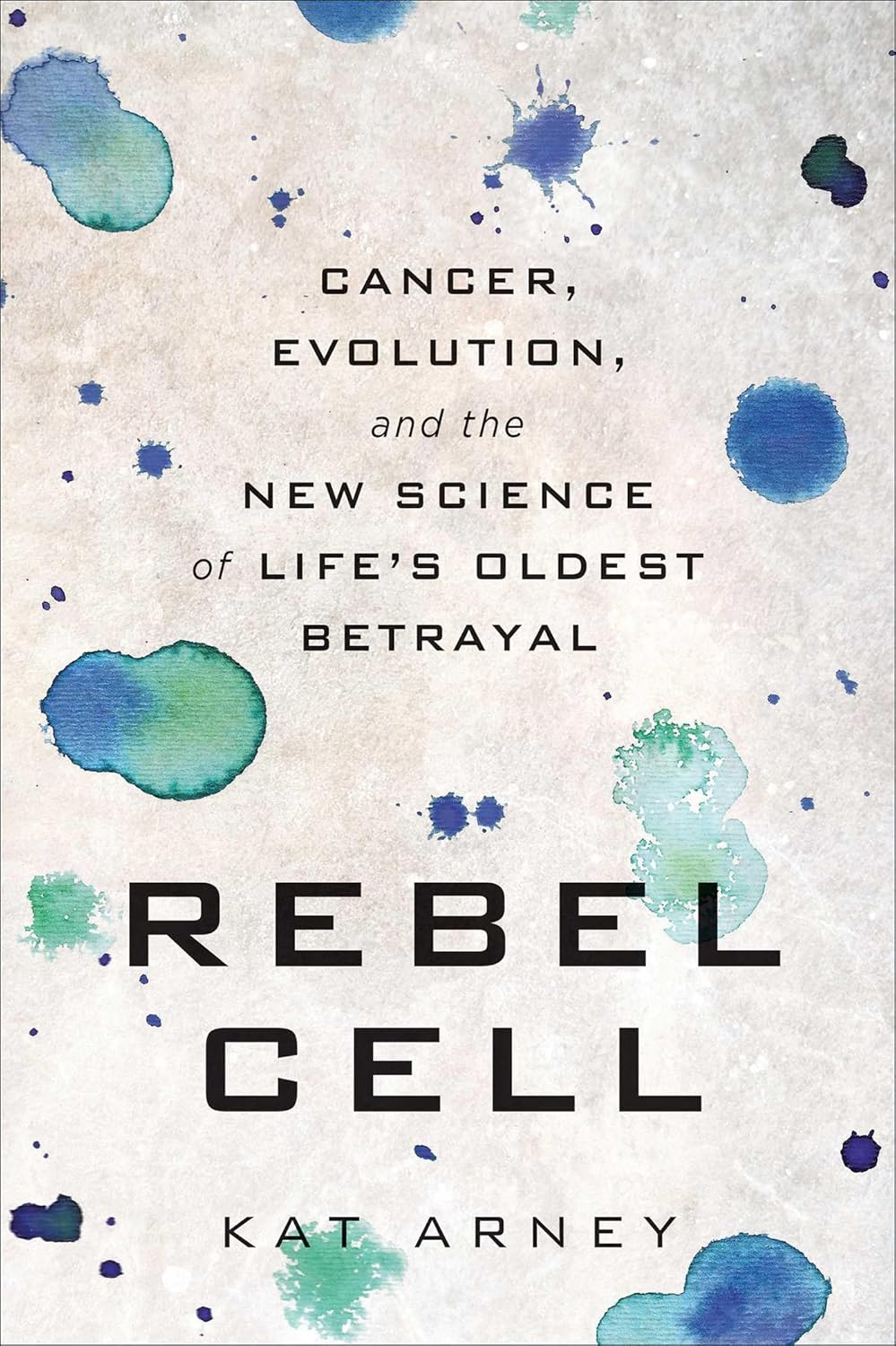
Rebel Cell: Cancer, Evolution, and the New Science of Life's Oldest Betrayal by Kat Arney and Tom Rath (2020) offers a comprehensive, evolutionary and ecological perspective on cancer. The book challenges traditional gene-centric and cure-focused narratives, emphasizing cancer as an ancient, complex, and adaptive disease rooted deeply in the biology of multicellular life. It integrates historical, paleontological, comparative oncology, genetic, ecological, and clinical insights to present cancer as a dynamic evolutionary process of cellular “cheating” within the multicellular “society” of the body.
The book is intended for a scientifically literate audience interested in cancer biology, evolutionary medicine, and the challenges of cancer treatment. It is also valuable for clinicians, researchers, and informed patients seeking a nuanced understanding of cancer beyond simplistic genetic models or miracle cure claims. The authors, particularly Kat Arney, bring expertise in genetics and science communication, grounding the narrative in rigorous research while maintaining accessibility.
Introduction and Cancer as an Evolutionary Disease
The book opens by framing cancer as a disease of cellular evolution and cooperation breakdown. Cancer arises when cells acquire mutations that allow them to proliferate uncontrollably, evade immune detection, invade tissues, and metastasize. Despite advances in surgery, radiotherapy, chemotherapy, hormone therapy, and immunotherapy, advanced metastatic cancer remains largely incurable due to tumor heterogeneity and rapid evolution.
The authors emphasize that cancer is not a modern disease but has existed throughout multicellular life’s history. Tumors behave as “selfish monsters,” evolving within the body through mutation, natural selection, and adaptation. This evolutionary perspective explains why no single “cancer gene” or universal cure exists and why treatments often select for resistant clones, leading to relapse.
They critique overhyped “miracle cures” and advocate for realistic, science-based approaches that incorporate evolutionary and ecological principles to understand and manage cancer.
Historical and Evolutionary Context of Cancer
Arney and Rath explore cancer’s deep evolutionary roots, documenting evidence of tumors in ancient human remains, fossils, and across species. Diagnosing cancer in ancient remains is challenging due to preservation biases and difficulties distinguishing cancer from other diseases, but over 275 cases predating the 20th century have been documented.
Ancient physicians like Galen recognized cancer and attempted surgical treatments, indicating longstanding human awareness. The authors note that cancer incidence increases with age, and ancient populations’ lower life expectancy affected observed cancer rates. Environmental carcinogens such as viruses, chemicals, and radiation have existed throughout history, underscoring that cancer is not solely a man-made disease.
Emerging molecular techniques like DNA sequencing and proteomics offer new tools to study ancient cancers, though sample limitations remain.
Cancer Across Species and Comparative Oncology
Cancer occurs in virtually all multicellular organisms, from simple animals like Hydra to mammals, birds, reptiles, amphibians, fish, and marine invertebrates. Tumors have been found in fossilized dinosaurs and ancient proto-turtles, illustrating cancer’s deep evolutionary history.
The myth that sharks do not get cancer is debunked; tumors have been documented in multiple shark species. Comparative oncology studies cancer incidence and resistance across species, revealing factors influencing susceptibility such as genetic bottlenecks, domestication, and breeding. For example, purebred dogs, farmed hens, and Syrian hamsters show high tumor rates.
Species with invasive placentas, including humans, may have higher cancer susceptibility due to biological parallels between placental invasion and tumor invasion. Cancer risk within species correlates with body size and lifespan, with larger and longer-lived individuals generally at higher risk, though exceptions exist (Peto’s Paradox).
Sexual selection can influence cancer risk if reproductive traits increase susceptibility, as seen in platy fish where large size correlates with melanoma risk.
Evolutionary Paradoxes and Cancer Resistance in Animals
The book discusses Peto’s Paradox, the observation that large animals like whales and elephants do not have proportionally higher cancer rates despite having many more cells. Humans are an outlier with relatively high cancer rates, partly due to lifestyle factors such as smoking.
Evolutionary trade-offs between growth, longevity, and reproduction explain cancer risk patterns. Species evolve strategies balancing fast reproduction and short lifespan versus slow growth and longevity, maintaining cancer defenses during reproductive years but succumbing later. Approximately 90% of human cancers occur after age 50.
Examples of cancer-resistant species include:
- Naked mole rats: Live 28–32 years with almost no cancer, possibly due to low metabolism, unique sticky hyaluronan, enhanced DNA repair, stress resistance, and strong contact inhibition preventing cell overgrowth.
- Blind mole rats: Long-lived with low cancer rates, showing efficient DNA repair.
- Capybaras: Large-bodied rodents with vigilant immune cells suppressing cancer despite higher mutation rates.
- Elephants: Possess multiple copies of the p53 tumor suppressor gene, triggering cell death early upon DNA damage.
- Bowhead whales: Live over 200 years with low cancer incidence; mechanisms may involve DNA repair and cell proliferation control.
- Brandt’s bats: Small but long-lived (up to 41 years), with telomeres that do not shorten with age, avoiding replicative limits without increased cancer risk.
The authors also hypothesize about “hypertumors” or “super-cancers” within tumors that may suppress tumor growth via cellular competition.
Species with rapid healing abilities, like mice, may have higher cancer risk due to increased cell proliferation. Some animals, such as comb jellies, Placozoa, and sponges, appear cancer-proof, surviving massive radiation doses without harm, suggesting unique protective mechanisms.
Modern human cancer rates are elevated partly due to increased lifespan and lifestyle changes (smoking, sun exposure, reproductive patterns), with evolutionary adaptation too slow to keep pace.
Multicellularity and the Cellular “Social Contract”
The book explains that multicellularity evolved about 600 million years ago, requiring cells to cooperate, specialize, regulate division, share resources, and undergo programmed death (apoptosis) to maintain organism health. Cancer arises when cells break this “social contract,” proliferating uncontrollably and ignoring function and death signals.
Even simple multicellular-like organisms such as slime molds exhibit cheating behavior, where some cells avoid sacrifice for the collective good. Larger multicellular organisms require more mechanisms to suppress such cheating; failure leads to cancer.
Capsaspora owczarzaki, a unicellular relative of animals, has many genes associated with multicellularity but lacks complex gene regulation and apoptosis, highlighting key evolutionary steps toward cancer suppression.
The atavism theory, which views cancer as a throwback to ancient unicellular life, is discussed but considered oversimplified. Cancer cells evolve uniquely within the body’s environment, disabling multicellular cooperation mechanisms.
Understanding the evolutionary origins of multicellularity and cellular cooperation provides insight into cancer development and potential treatments.
Cancer Genetics and Mutagenesis
The authors trace the history of cancer genetics, from early observations of chromosomal abnormalities (Hansemann, Boveri) to the somatic mutation theory, which posits that mutations in genes controlling growth, death, and DNA repair cause cancer.
DNA sequencing advances, including next-generation sequencing, have revealed tens of thousands of mutations in tumors, with characteristic mutational signatures linked to environmental carcinogens (e.g., tobacco smoke, UV light) and endogenous processes (e.g., DNA replication errors, defective repair, APOBEC enzyme activity).
Over 60 mutational signatures have been identified, though many remain unexplained. Viral oncogenes (e.g., HPV, Epstein-Barr virus, hepatitis B and C) contribute to about 10% of cancers worldwide, mostly in low-income countries.
Oncogenes (mutated genes driving excessive proliferation) and tumor suppressor genes (which normally inhibit growth) are central to cancer development. The “two-hit” hypothesis explains hereditary and sporadic cancers via loss of tumor suppressor gene function combined with oncogene activation.
Familial cancer syndromes (e.g., BRCA1/2 mutations) illustrate inherited cancer risk. Mouse models and pedigree studies have elucidated hereditary predisposition despite early skepticism.
Clonal Evolution and Tumor Heterogeneity
Cancer is a dynamic evolutionary process involving mutation, selection, and competition among clones within tumors. Normal tissues also harbor many mutations, including driver mutations, forming a patchwork of mutated clones that compete for space and resources.
Only when mutated clones accumulate sufficient driver mutations and overcome tissue homeostasis does cancer develop. Tumors are genetically heterogeneous, composed of multiple distinct clones evolving over time and space.
This heterogeneity complicates diagnosis and treatment, as single biopsies may miss resistant clones, and therapies often select for resistant populations leading to relapse.
Epigenetic changes and chromosomal instability (aneuploidy) further fuel tumor evolution and aggressiveness. Genome doubling and chromothripsis (chromosome shattering and rearrangement) contribute to genomic chaos in cancer cells.
Tumor Ecology, Microenvironment, and Metastasis
The book presents tumors as complex ecosystems with spatial heterogeneity of cancer and immune cells. Advanced imaging and AI enable mapping of tumor architecture, revealing “hot” and “cold” immune infiltration zones that predict treatment outcomes better than average immune cell counts.
Tumors alter their microenvironment, creating hypoxic, acidic conditions via the Warburg effect (aerobic glycolysis), co-opting immune cells, fibroblasts, blood vessels, and extracellular matrix to support growth. Cancer hijacks wound healing and inflammation processes to promote progression.
Angiogenesis is essential for tumor growth and metastasis, but anti-angiogenic therapies have had limited success due to mechanisms like vascular mimicry, where cancer cells form vessel-like structures themselves.
Metastasis—the spread of cancer cells to distant organs—is the main cause of cancer lethality. Despite billions of circulating tumor cells, metastasis is inefficient and rare. The “seed and soil” hypothesis explains organ-specific metastasis patterns, with cancer cells manipulating local tissue to create supportive niches.
Many micrometastases remain dormant, suppressed by healthy tissue, but inflammation, aging, or infections can awaken them. For example, lung infections or cigarette smoke activate neutrophils that release DNA-protein nets, trapping and awakening dormant breast cancer cells.
Cancer cell migration is influenced by environmental stressors and physical properties; cancer cells are softer and more malleable than normal cells, facilitating invasion and spread.
Systemic factors such as hormones (estrogen, testosterone, IGF-1), metabolism, circadian rhythms, and the microbiome influence cancer development and treatment response. The microbiome modulates immunity and produces carcinogenic compounds, while circadian disruption (e.g., shift work) is a probable carcinogen.
Transmissible Cancers and Cancer Cell “Sex”
Rebel Cell discusses rare transmissible cancers in nature, including:
- Tasmanian Devil Facial Tumor Disease (DFTD): A contagious cancer spread by biting, originating from Schwann cells, with two independent tumor strains. DFTD cells evade immune detection by losing or sharing MHC molecules. Some devils show emerging immunity and spontaneous tumor regression.
- Canine Transmissible Venereal Tumor (CTVT): A contagious genital cancer in dogs spread by mating, originating thousands of years ago from a single founder dog. CTVT cells have lost MHC genes, enabling transmission between hosts.
- Marine bivalve transmissible cancers: Clonal cancers spread via seawater among soft-shell clams, mussels, cockles, and golden carpet shell clams, sometimes crossing species barriers.
Human-to-human cancer transmission is exceedingly rare but documented in cases such as mother-to-child transmission during pregnancy, between identical twins, accidental surgical or laboratory transmission, and organ transplants.
The immune system likely evolved partly to protect against transmissible cancers, and sexual reproduction may help prevent cancer cell transmission by increasing genetic diversity. Experimental studies show mosquitoes can transmit contagious cancers in lab hamsters, indicating insect-borne transmission is possible though rare.
The book also explores cancer cell fusion (“sex”), where polyploid giant cancer cells form and spawn drug-resistant diploid offspring, contributing to treatment resistance and metastasis. Chemotherapy can induce such fusion events, accelerating evolution of resistant clones.
Tumors may act as super-organisms with collective behavior, including emergent “hive mind” properties from cell collaboration.
Cancer Treatment: Precision Oncology and Targeted Therapies
Precision oncology aims to target specific genetic mutations (“actionable mutations”) in tumors regardless of tissue origin, using targeted therapies such as kinase inhibitors (e.g., imatinib, pazopanib, cabozantinib). Landmark successes include imatinib for chronic myeloid leukemia (CML) and vemurafenib for BRAF-mutant melanoma.
However, only a small fraction (~5–8%) of metastatic cancer patients are eligible for FDA-approved targeted therapies, and about half of those benefit modestly, with average responses lasting around 2.5 years. Tumor heterogeneity and resistance limit long-term efficacy.
Genetic testing platforms vary in mutation detection and treatment recommendations, reflecting sampling bias and tumor complexity. Identical mutations may respond differently depending on tumor type, complicating treatment decisions.
Side effects of targeted therapies can be severe and chronic, sometimes comparable to or worse than conventional chemotherapy. Most new cancer drugs extend survival by only a few months at very high cost, with limited quality-of-life improvements.
Clinical trials often rely on surrogate endpoints (progression-free survival, biomarkers) rather than overall survival, sometimes with suboptimal control arms, leading to approval of drugs with marginal benefit. The pharmaceutical industry tends to develop “Me Too” drugs targeting a limited set of pathways, limiting therapeutic diversity and enabling resistance.
Combination therapies (“cocktails”) targeting multiple pathways simultaneously are proposed to overcome resistance, inspired by HIV triple therapy success. However, current combinations are limited by available drugs mostly hitting similar pathways. Network biology and big data approaches aim to identify effective combinations by mapping cancer signaling networks.
Preclinical models such as 2D cell cultures and mouse models often fail to predict human responses. More physiologically relevant platforms like organoids and organs-on-a-chip are emerging to improve drug testing.
Despite progress, most new cancer drugs fail in clinical trials or provide minimal survival benefit, highlighting the need for better translational models and therapeutic strategies.
Immunotherapy and Emerging Treatment Modalities
Immunotherapy, including immune checkpoint inhibitors and CAR-T cells, offers promising new avenues but has variable success and risks such as cytokine storms, autoimmunity, and hyper-progression. Tumor mutational burden and heterogeneity correlate with immunotherapy efficacy.
Case studies illustrate how genomic analyses of mutational signatures (e.g., POLE mutations) can guide immunotherapy eligibility beyond traditional gene mutation testing.
However, immunotherapy is not universally effective, and resistance remains a challenge. Future treatments require evolutionary-informed strategies to outsmart tumor adaptation.
Evolutionary and Ecological Approaches to Cancer Treatment
Robert Gatenby and colleagues apply evolutionary game theory and ecological principles to cancer therapy, drawing analogies with pesticide resistance management in agriculture. Traditional maximum tolerated dose (MTD) chemotherapy often leads to resistance and toxicity with modest survival gains.
Adaptive therapy aims to maintain a population of drug-sensitive cancer cells to suppress resistant clones by using lower, modulated drug doses. Resistant cells bear fitness costs (e.g., energy-intensive drug efflux pumps), making them less competitive without drug pressure.
Preclinical studies and early clinical trials (e.g., metastatic prostate cancer) show adaptive therapy can prolong progression-free survival, reduce drug exposure, and manage side effects. Challenges include patient acceptance of treatment breaks and variability in tumor response.
Additional evolutionary strategies under investigation include:
- Ersatzdroges: Non-toxic drugs that force resistant cells to waste energy on drug efflux pumps, reducing their fitness.
- Double bind (sucker’s gambit): Sequential therapies exploiting mutually exclusive resistance mechanisms to trap cancer cells.
- Benign boosters: Promoting growth of benign, non-invasive clones to outcompete aggressive cancer clones.
- Extinction strategies: Applying sequential, high-intensity therapies to drive cancer cell populations to extinction by exploiting evolutionary bottlenecks.
Mathematical modeling and computer simulations can predict tumor behavior and optimize treatment sequences. Posthumous tumor sampling programs (e.g., PEACE trial) collect end-stage tumor data to understand resistance evolution fully.
Evolutionary-informed therapy may repurpose older, less toxic drugs previously discarded for low kill rates. However, systemic and psychological barriers hinder widespread adoption of these approaches.
Challenges, Limitations, and Future Directions
The authors caution that cancer’s genetic heterogeneity, rapid evolution, and ecological complexity complicate treatment. Overreliance on genetic data without evolutionary context can be misleading. Public misconceptions and media hype about cancer causes and cures persist.
Many cancer treatments provide marginal benefits at high cost, with resistance and relapse inevitable under current paradigms. The pharmaceutical industry’s focus on incremental “Me Too” drugs limits innovation and resistance management.
Changing clinical practice to incorporate evolutionary and ecological principles requires extensive, high-quality data, validation, and shifts in patient and physician expectations. Psychological acceptance of cancer as a chronic, manageable condition rather than a curable disease is necessary.
Prevention and early diagnosis remain crucial, focusing on maintaining tissue health, controlling inflammation, and avoiding carcinogens. Understanding tissue microenvironment, aging, and inflammation’s role in cancer initiation can inform novel prevention and treatment strategies.
Integrating genetics, ecology, evolution, and patient-specific data offers the best hope for improving outcomes. Crowdsourcing treatment strategies and leveraging big data and AI may accelerate progress.
Author Background and Strengths
Kat Arney is a British science writer and geneticist with a PhD from Cambridge and experience as a science communicator at Cancer Research UK. Her expertise ensures the book is well-researched, authoritative, and accessible. Co-author Tom Rath contributes additional scientific insight.
The book’s strengths lie in its comprehensive integration of evolutionary biology, ecology, genetics, history, and clinical science, providing a fresh paradigm for understanding cancer. It critically examines current treatment limitations and highlights promising new approaches grounded in evolutionary theory.
Usefulness in a Cancer-Options Reference Database
Rebel Cell is a valuable resource for understanding the complexity of cancer biology and the rationale behind emerging treatment strategies such as adaptive therapy and evolutionary-informed medicine. It provides context for why many current therapies fail and underscores the importance of managing cancer as a chronic, evolving disease.
The book’s detailed discussion of comparative oncology, tumor ecology, mutational signatures, and treatment resistance offers insights relevant to researchers, clinicians, and patients exploring novel or adjunctive cancer management options. Its emphasis on prevention, tissue health, and realistic expectations complements clinical decision-making and patient education.
While not a clinical protocol guide, its evolutionary framework supports informed evaluation of emerging therapies, clinical trials, and integrative approaches, making it a useful reference for those seeking a deeper understanding of cancer’s biological and evolutionary underpinnings.